 EN
EN
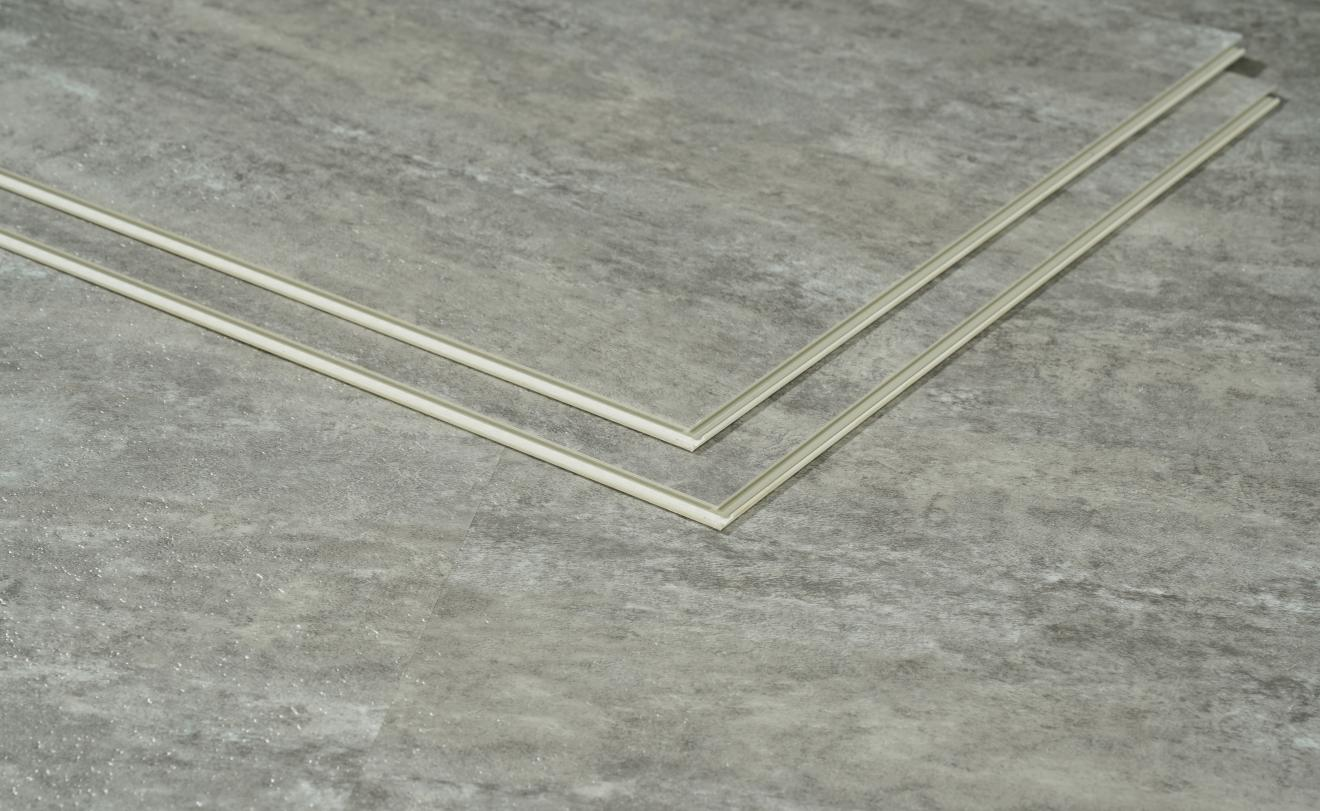
Commercial interior spaces demand solutions that balance aesthetics, functionality, and long-term value. A uv wall panel represents a modern advancement in wall finishing technology that directly addresses efficiency challenges faced by facility managers, architects, and business owners. These panels are engineered to withstand high-traffic environments while maintaining visual appeal and reducing operational costs over their lifespan. Understanding how a uv wall panel can improve commercial interior efficiency requires examining multiple dimensions of performance, from durability and maintenance to design flexibility and environmental impact.
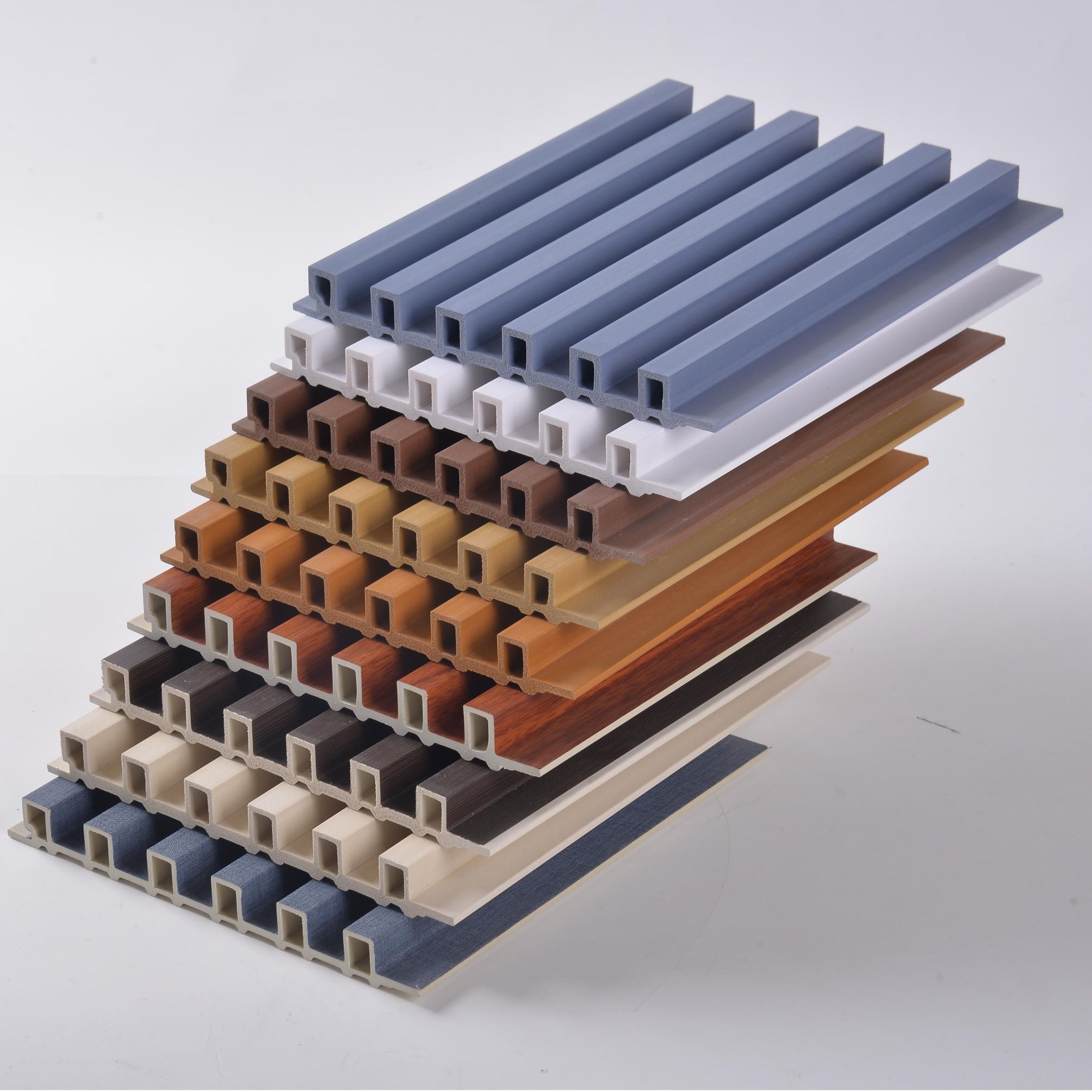
The efficiency gains from installing a uv wall panel extend beyond simple wall coverage. Commercial spaces experience constant wear from foot traffic, cleaning cycles, moisture exposure, and UV radiation from windows and skylights. Traditional wall finishes degrade quickly in these conditions, requiring frequent maintenance, repainting, or replacement. A properly selected uv wall panel eliminates or dramatically reduces these replacement cycles, protecting the underlying wall structure while maintaining its appearance. This makes uv wall panel technology particularly valuable in healthcare facilities, retail environments, educational institutions, hospitality settings, and corporate offices where downtime and maintenance disruptions directly impact operations and budgets.
Enhanced Durability and Reduced Maintenance Demands
Superior Surface Protection Through UV-Resistant Materials
The core efficiency benefit of a uv wall panel comes from its engineered resistance to UV radiation and environmental degradation. Commercial interiors near windows, skylights, or exterior walls experience constant UV exposure that causes conventional paints and finishes to fade, crack, and deteriorate. A uv wall panel incorporates UV-stabilized materials and protective coatings that prevent color shifting, surface breakdown, and structural compromise. This UV resistance means your commercial space maintains its visual integrity year after year without the color fading that forces expensive redecoration cycles. When you choose a uv wall panel for high-exposure areas, you eliminate the costly repainting projects that disrupt commercial operations and drain facility budgets.
Moisture and Stain Resistance for Durable Cleanliness
Commercial interiors generate moisture from cleaning procedures, occupant activity, humidity, and occasionally accidental spills. Standard drywall and painted surfaces absorb moisture, leading to mold growth, discoloration, and structural damage that necessitates wall replacement. A uv wall panel offers inherent moisture resistance that prevents water infiltration and microbial growth. The non-porous surface of a uv wall panel also resists staining from common commercial contaminants like food residue, ink, dust, and cleaning agent residue. Facility managers appreciate how a uv wall panel can be cleaned with standard disinfectants without damage, maintaining hygienic conditions in healthcare and food service environments. This stain resistance directly improves efficiency by allowing quick surface restoration without refinishing expenses.
Long-Term Cost Efficiency and Operational Savings
Reduction in Replacement and Refurbishment Cycles
Every commercial interior faces inevitable wear cycles that require maintenance investment. Traditional wall finishes typically require repainting every 3–5 years in high-traffic areas, with occasional drywall repair or replacement for damaged sections. Installing a uv wall panel establishes a much longer service interval, often extending 15–20 years or more with minimal intervention. This extended lifespan dramatically reduces the frequency and cost of wall surface restoration projects. When you calculate the total cost of ownership for a uv wall panel across a 20-year period versus traditional painted drywall with regular repainting cycles, the efficiency advantage becomes substantial. Commercial property managers can allocate maintenance budgets to higher-priority infrastructure improvements rather than constant wall restoration.
Labor Cost Reduction and Operational Continuity
Maintenance and refurbishment projects disrupt commercial operations, reducing productivity and creating inconvenience for occupants. Each repainting cycle requires wall preparation, contractor coordination, drying time, and temporary facility access restrictions. A uv wall panel minimizes these disruptions by eliminating frequent refinishing needs. When maintenance becomes necessary, many uv wall panel systems allow selective section replacement without affecting surrounding areas, further reducing downtime. Facility teams can schedule minor maintenance during off-hours or planned closures rather than managing emergency wall repairs. The labor hours saved through reduced maintenance directly improve facility operational efficiency and reduce costs associated with temporary facility closures or reduced access during refurbishment projects.
Design Flexibility and Modern Commercial Application
Aesthetic Consistency Across Extended Timeframes
Commercial interior design establishes brand identity and creates functional environments for employees and visitors. Traditional wall finishes deteriorate at different rates depending on sun exposure, humidity, and traffic intensity, creating visual inconsistency within the same space. A uv wall panel maintains uniform appearance across varying environmental conditions within the same facility. This consistency simplifies facility management and eliminates the need for touch-up painting or selective wall replacement that disrupts design coherence. Whether a commercial space emphasizes modern minimalism, warm hospitality aesthetics, or professional corporate design, a uv wall panel preserves the intended visual impact without requiring continuous design interventions. Modern architects and designers increasingly specify uv wall panel solutions because they provide predictable, long-term aesthetic performance that aligns with contemporary interior design standards.
Versatile Integration into Diverse Commercial Environments
A uv wall panel functions effectively across diverse commercial applications because its performance characteristics address universal interior challenges. Healthcare facilities benefit from the hygienic properties and moisture resistance of a uv wall panel in patient areas, hallways, and clinical spaces. Retail environments appreciate the durability and visual consistency of a uv wall panel in high-traffic zones. Educational institutions utilize uv wall panel systems to withstand intensive use in classrooms and common areas while maintaining safety and cleanliness standards. Hospitality properties choose a uv wall panel for guest-facing areas where maintaining pristine conditions is essential to brand perception. Corporate offices specify uv wall panel solutions in collaborative spaces and circulation areas that experience constant activity. This versatility means a uv wall panel investment delivers efficiency benefits across different facility types and use scenarios, making it a practical choice for property managers overseeing diverse commercial spaces.
FAQ
What Makes a UV Wall Panel Different from Standard Painted Drywall?
A uv wall panel integrates UV-stabilized materials, moisture-resistant composition, and protective surface coatings that standard painted drywall lacks. While painted drywall fades and deteriorates within 3–5 years in high-traffic or UV-exposed commercial areas, a uv wall panel maintains integrity for 15–20 years with minimal maintenance. The core difference is that a uv wall panel prevents degradation rather than simply covering it, fundamentally changing the maintenance and replacement timeline for commercial interiors.
Can a UV Wall Panel Be Installed in Existing Commercial Spaces Without Major Disruption?
Yes, most uv wall panel systems install directly over existing wall surfaces using adhesive or mechanical fastening systems designed for minimal disruption. A uv wall panel installation typically requires 1–3 days per area depending on facility size, making it feasible during scheduled maintenance windows or off-hours. Unlike extensive drywall replacement or surface preparation for repainting, installing a uv wall panel preserves operational continuity in active commercial environments.
How Does Investing in a UV Wall Panel Impact Overall Facility Budgets?
A uv wall panel represents an upfront investment that delivers long-term budget efficiency through elimination of frequent repainting cycles, reduced maintenance labor, and avoided disruption costs. While initial material and installation costs exceed simple paint application, spreading those costs across a 15–20 year service life produces lower annual facility expenses than traditional wall finishes requiring replacement every 3–5 years. Commercial property managers often discover that a uv wall panel reduces total maintenance spending while improving aesthetic consistency and occupant satisfaction.