 EN
EN

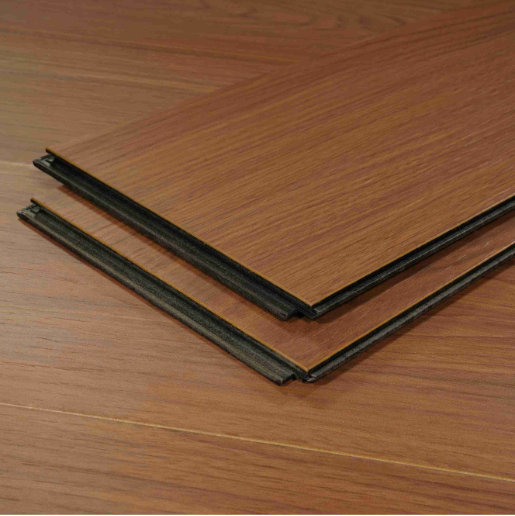
The demand for wpc wall panel solutions has surged dramatically over the past five years, driven by evolving design preferences and the need for durable, low-maintenance interior finishes. Architects, designers, and building owners are increasingly turning to wpc wall panel technology to meet contemporary aesthetic expectations while maintaining practical performance standards. This shift reflects a broader transformation in how commercial and residential spaces are designed and finished today.
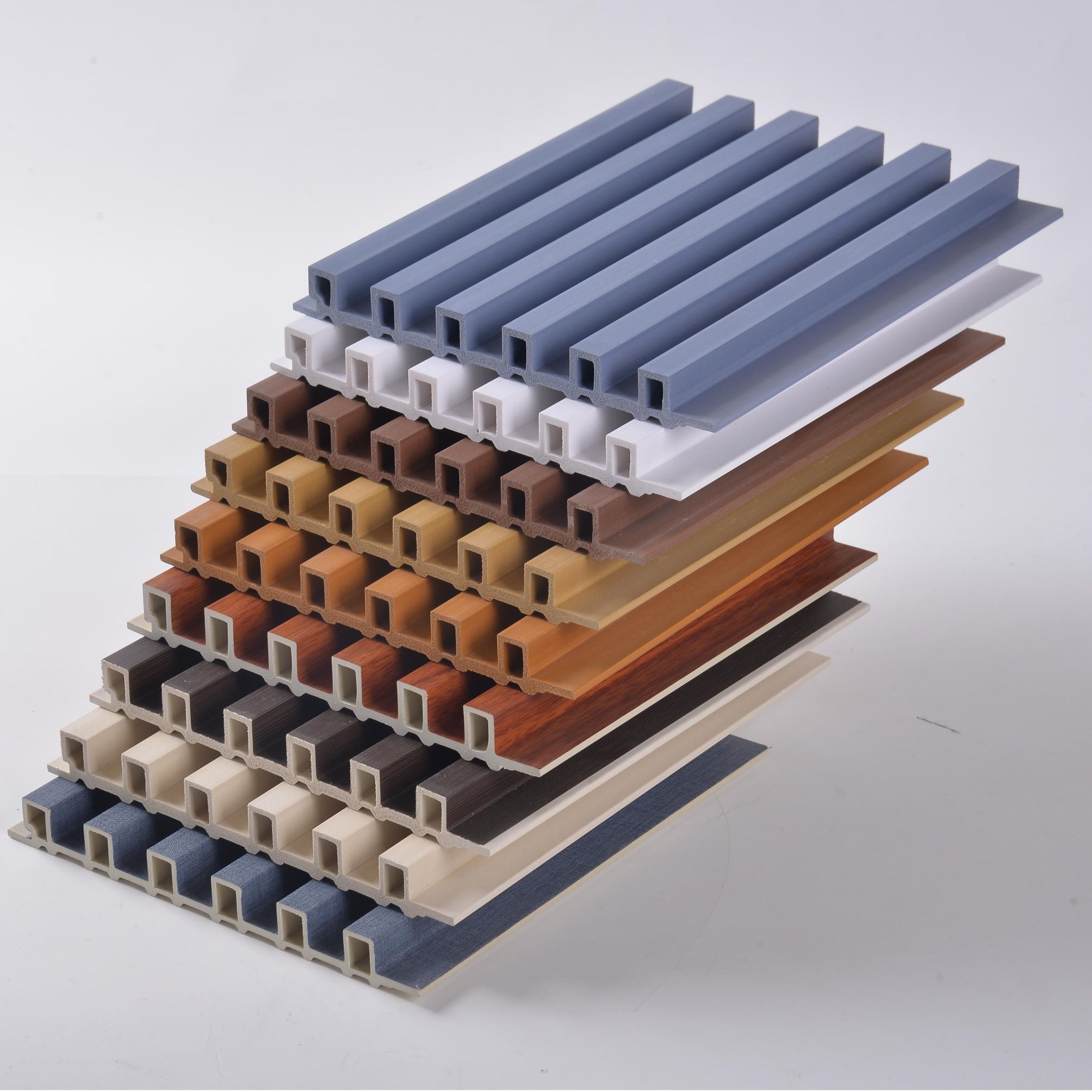
Understanding the design trends shaping wpc wall panel popularity is essential for anyone planning interior renovations, commercial buildouts, or architectural specifications. The convergence of minimalist design philosophy, sustainability demands, and technological advancement has created an ideal environment for wpc wall panel adoption across hospitality, retail, healthcare, and residential sectors. This article explores the key design trends propelling wpc wall panel into mainstream architectural practice.
Minimalist Aesthetics and Clean Line Design
The Rise of Understated Surface Finishes
Contemporary design culture increasingly favors minimalist interiors characterized by clean lines, neutral palettes, and functional elegance. The wpc wall panel aligns perfectly with this aesthetic philosophy because it offers smooth, uncluttered surfaces without the visual complexity of traditional wall treatments. Designers specify wpc wall panel precisely because the material provides a sophisticated backdrop that allows furnishings and architectural elements to stand out.
The appeal of wpc wall panel in minimalist spaces extends beyond appearance. The material's uniform color consistency and edge-to-edge uniformity eliminate the visual interruptions created by grout lines, seams, or texture variations common in conventional wall finishes. When designers select wpc wall panel for high-end hotels, corporate offices, or luxury residential projects, they are deliberately choosing a material that reinforces the understated sophistication clients increasingly expect from modern interiors.
Texture Variation Within Unified Design Language
While minimalism emphasizes simplicity, contemporary wpc wall panel offerings now include subtle surface textures that add tactile interest without compromising the clean aesthetic. Matte finishes, soft grain patterns, and embossed surfaces allow architects to specify wpc wall panel that feels refined and intentional rather than flat or institutional. This balance between simplicity and textural sophistication represents a significant evolution in how wpc wall panel products are developed and marketed.
Sustainability and Eco-Conscious Material Selection
Growing Demand for Environmentally Responsible Interiors
Sustainability has transitioned from a niche concern to a fundamental design requirement, particularly in corporate and institutional projects. The environmental profile of wpc wall panel—composed of wood fiber and plastic composite—appeals to designers seeking materials that reduce environmental impact compared to virgin wood, paint, or resource-intensive alternatives. Many wpc wall panel manufacturers now emphasize recycled content, low-VOC production processes, and end-of-life recyclability as key selling points.
Building certification systems including LEED and WELL have elevated the importance of material transparency and environmental performance metrics. Projects pursuing these certifications increasingly specify wpc wall panel because the material demonstrates measurable sustainability credentials without sacrificing aesthetic or functional performance. The ability to achieve both design intent and environmental responsibility through wpc wall panel selection has made it a preferred specification in green building projects worldwide.
Lifecycle Durability and Long-Term Resource Efficiency
Sustainability extends beyond initial material sourcing to encompass the entire lifecycle of installed finishes. Wpc wall panel products typically require minimal maintenance, never need painting, resist moisture damage, and maintain appearance over decades of use. This exceptional durability means wpc wall panel requires far fewer replacement cycles than paint, wallpaper, or wood veneers, resulting in substantially lower lifetime environmental impact. Design professionals increasingly recognize that specifying wpc wall panel is fundamentally an environmentally intelligent decision from a whole-lifecycle perspective.
Color Psychology and Emotional Interior Response
Expanded Color Palettes for Targeted Psychological Effects
Contemporary interior design increasingly leverages color psychology to create specific emotional and functional environments. The wpc wall panel industry has responded by expanding available color ranges far beyond traditional wood tones, now offering warm neutrals, cool grays, blacks, whites, and accent colors specifically formulated to support different design intentions. Hospitality designers select calming blues and warm whites in wpc wall panel finishes for guest rooms, while retail environments utilize bolder accent colors in wpc wall panel applications to drive customer engagement and brand recognition.
The strategic use of wpc wall panel color palettes extends interior design language into wayfinding, zoning, and spatial definition. Commercial projects deploy different wpc wall panel colors to intuitively guide movement through complex floor plans, while residential designers employ wpc wall panel color transitions to define distinct functional zones within open living spaces. This sophisticated application of material and color through wpc wall panel selection represents an evolution from passive wall finish to active design tool.
Consistency and Predictability in Specification
Unlike natural materials prone to variation, manufactured wpc wall panel products deliver consistent color and appearance batch-to-batch, allowing designers to confidently specify exact finishes months in advance. This reliability has become increasingly important as design teams coordinate across multiple projects and international locations. The ability to reference a specific wpc wall panel finish code and receive identical materials across installation phases represents a significant advantage over traditionally sourced materials.
Performance and Functional Design Integration
Moisture and Temperature Resilience
Modern buildings increasingly feature demanding environments—kitchens with steam, bathrooms with moisture exposure, transitional spaces with temperature fluctuations—where traditional wall materials fail rapidly. The wpc wall panel material composition makes it exceptionally resistant to moisture absorption, mold growth, and temperature-related dimensional changes. Designers specify wpc wall panel in these challenging applications because the material maintains its integrity and appearance regardless of environmental conditions that would damage paint, wallpaper, or solid wood.
Healthcare facilities particularly benefit from wpc wall panel specifications because the material withstands frequent cleaning protocols, resists bacterial colonization, and provides superior hygiene characteristics compared to porous alternatives. Restaurants and food-service environments routinely employ wpc wall panel wall solutions because the material handles constant exposure to humidity, temperature swings, and intensive sanitation without degradation. These performance advantages have made wpc wall panel the material of choice in sectors where reliability and hygiene are non-negotiable requirements.
Acoustic Properties and Sound Management
Growing awareness of acoustic comfort in interior spaces has expanded the expected performance profile of wall materials. Contemporary wpc wall panel products often integrate acoustic properties through hollow-core construction or complementary backing materials that absorb sound while maintaining visual aesthetics. Architects designing open-plan offices, restaurants, and hospitality environments frequently specify wpc wall panel solutions that simultaneously manage visual appearance and noise levels. This integration of acoustic performance into wpc wall panel products reflects how modern design demands multifunctional material solutions rather than single-purpose finishes.
FAQ
Why is wpc wall panel becoming more popular in residential design?
Residential adoption of wpc wall panel reflects homeowners' preference for low-maintenance, durable finishes that deliver contemporary aesthetics without constant upkeep. The material's moisture resistance makes wpc wall panel ideal for bathrooms and kitchens, while the diverse color options allow wpc wall panel integration into various interior design styles. Additionally, the longevity of wpc wall panel means homeowners invest in a solution that will maintain appearance for decades, providing both practical and economic value.
Can wpc wall panel work in commercial applications requiring specific design codes?
Wpc wall panel products are increasingly engineered to meet strict commercial codes including fire ratings, accessibility standards, and safety requirements. Architects confidently specify wpc wall panel in hotels, offices, and retail environments because manufacturers now produce wpc wall panel variants with fire-rating certifications, ADA compliance features, and durability standards exceeding regulatory minimums. This technical evolution has removed barriers that previously prevented wpc wall panel specification in commercial projects with demanding compliance frameworks.
What distinguishes modern wpc wall panel from earlier composite wall materials?
Contemporary wpc wall panel technology delivers superior color consistency, expanded finish options, enhanced durability, and integration of acoustic or thermal properties compared to earlier-generation composites. Modern manufacturing processes allow wpc wall panel products to achieve visual fidelity previously impossible with composite materials, while quality-control standards ensure wpc wall panel products maintain performance specifications across large project installations. The sophistication of modern wpc wall panel materials has fundamentally transformed how designers and architects perceive composite wall solutions.