Zamanın Ötürmədiyi Zəriflik və Gücləndirilmiş Fəza Qavrayışı
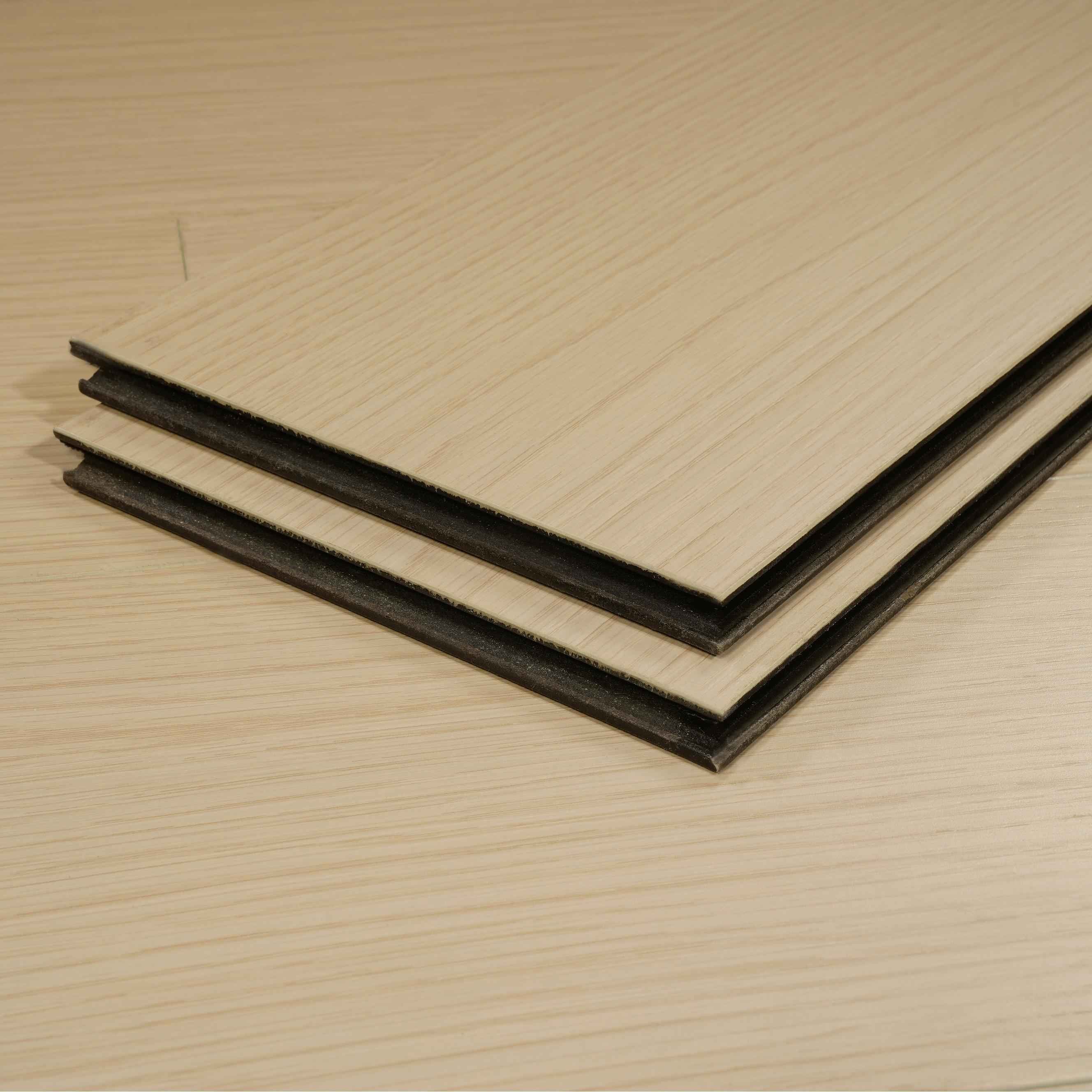
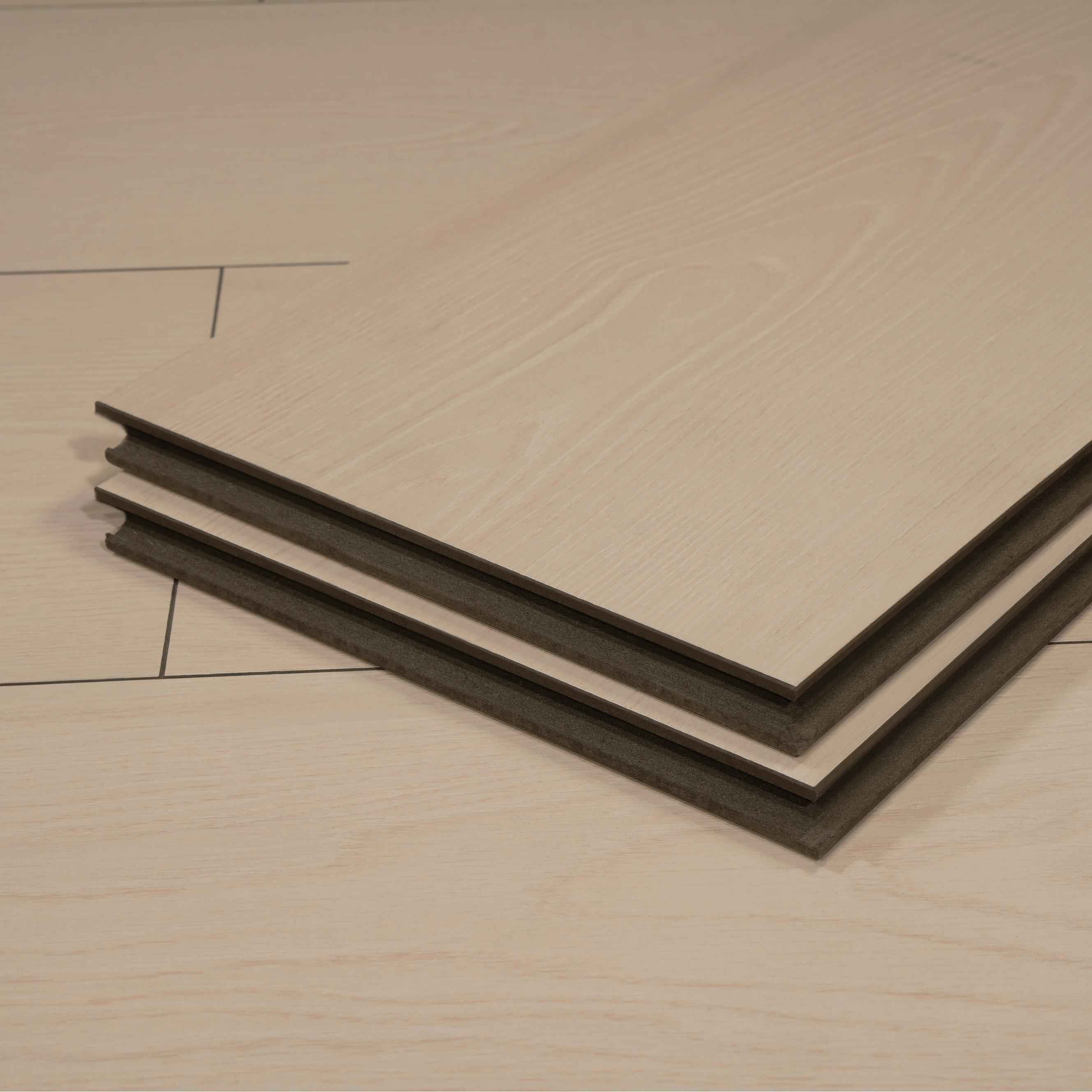
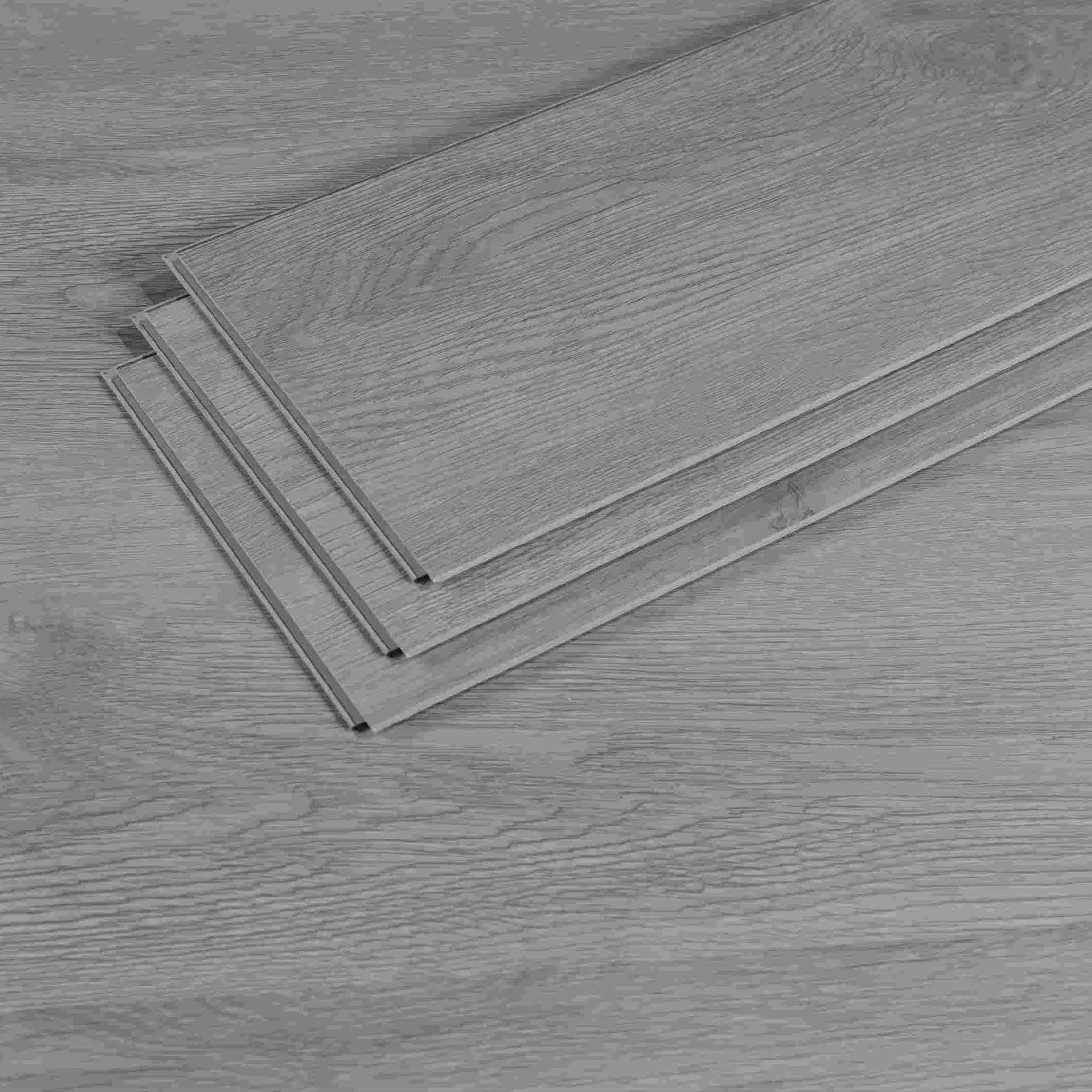
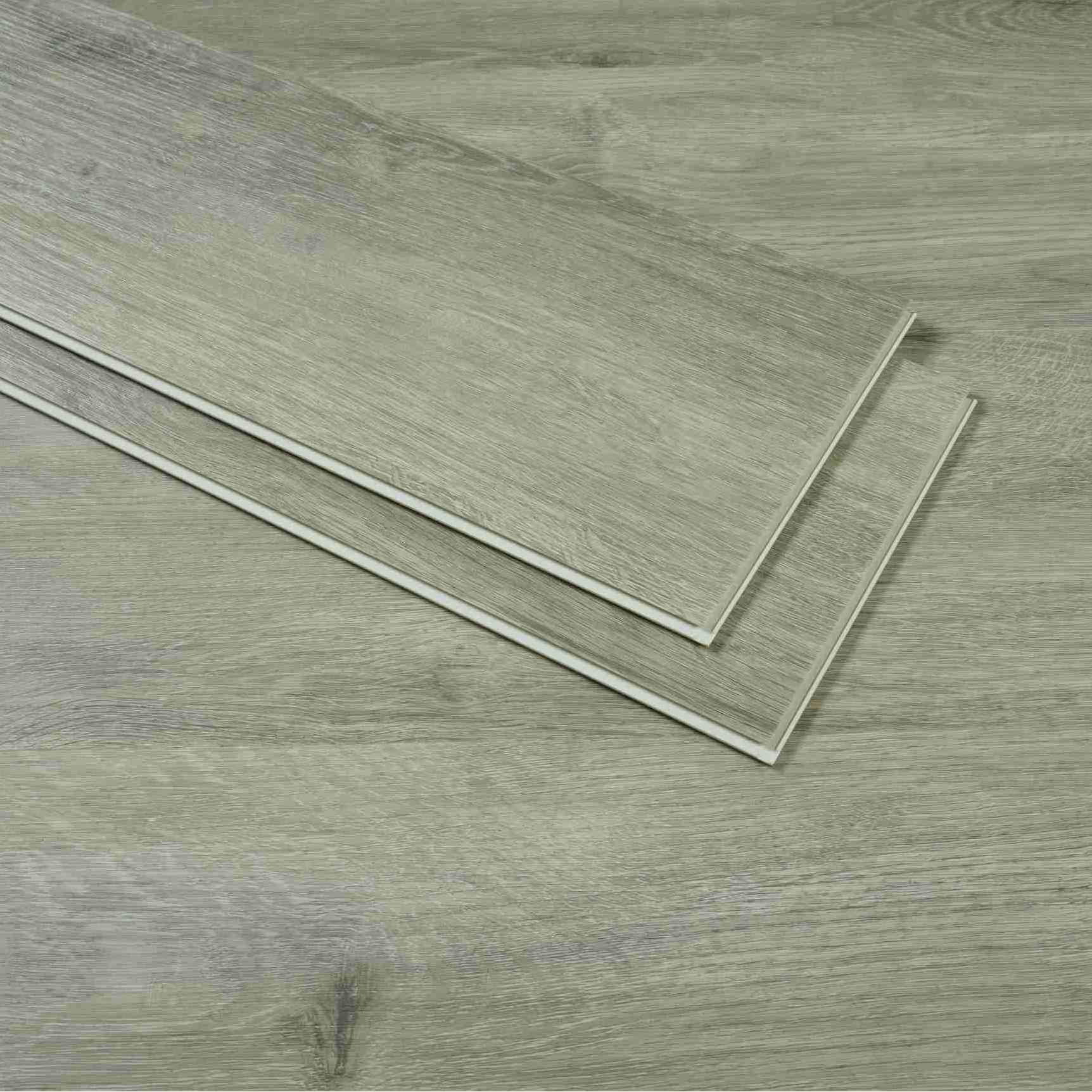
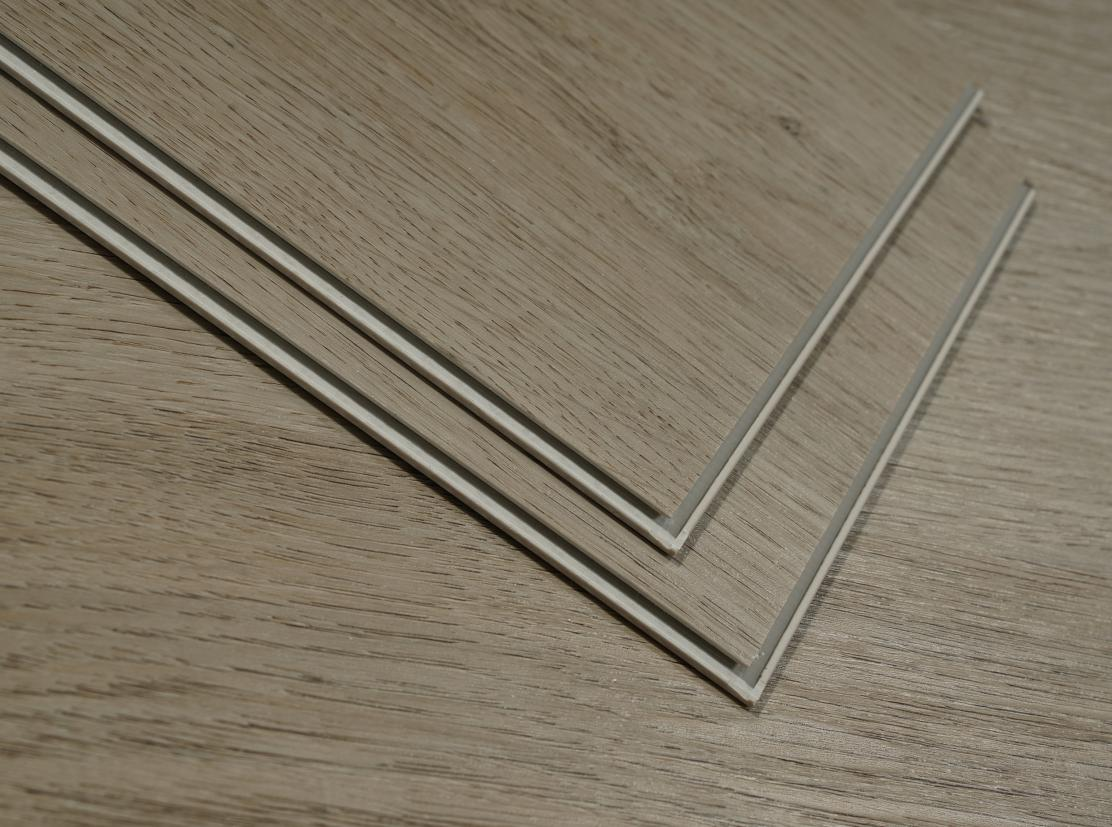
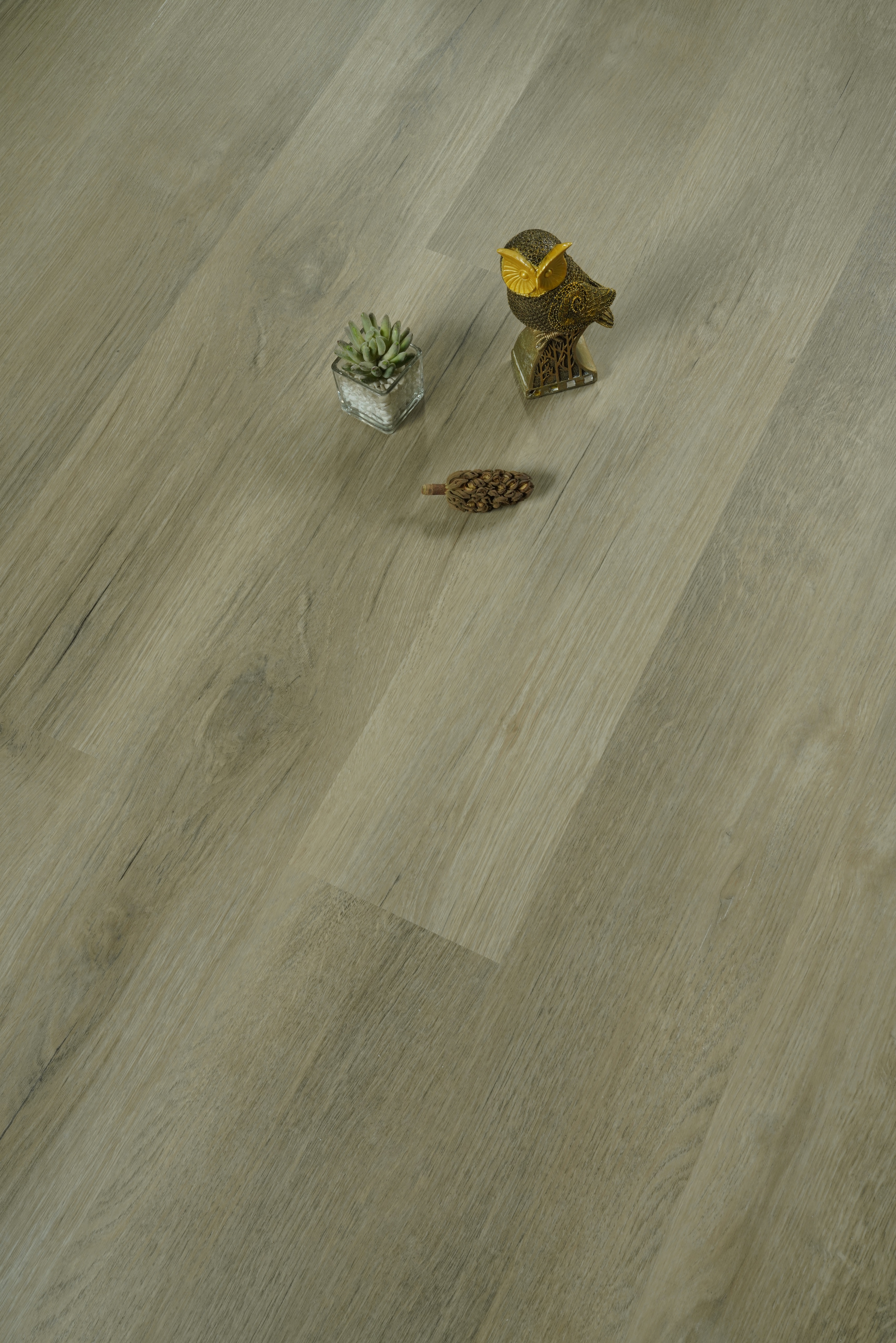
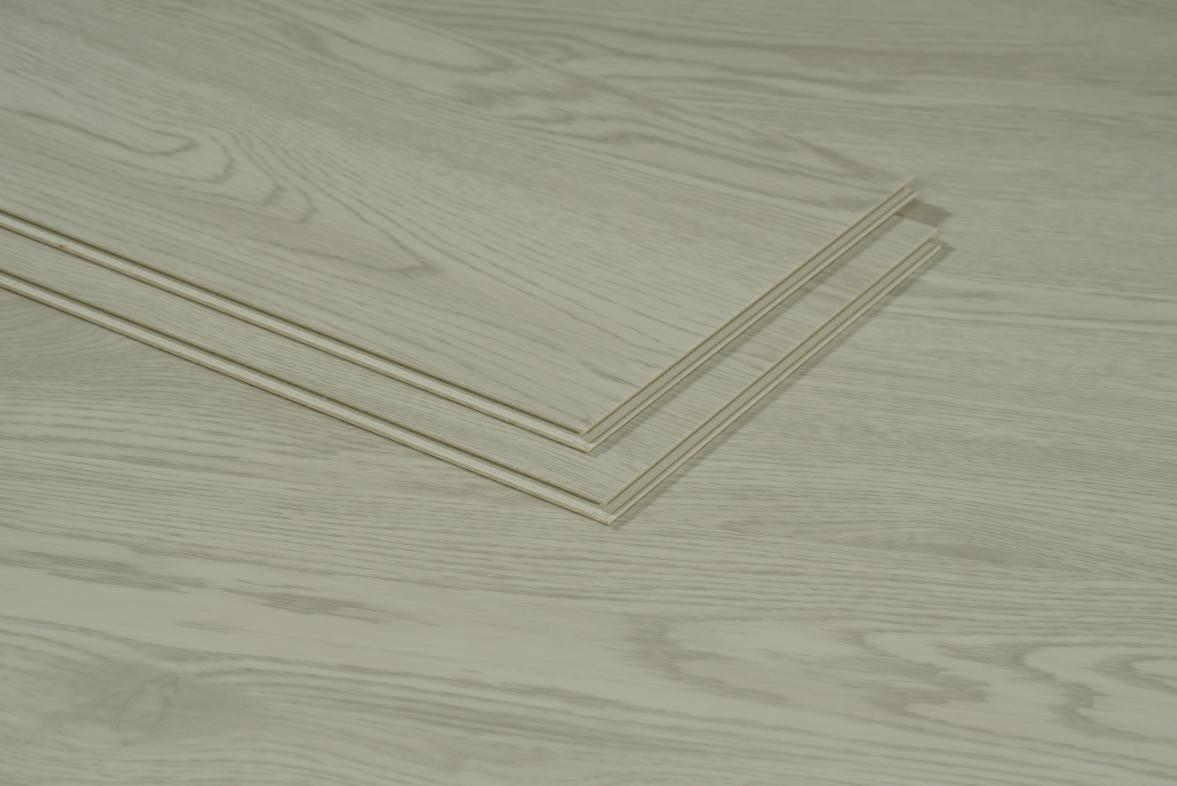
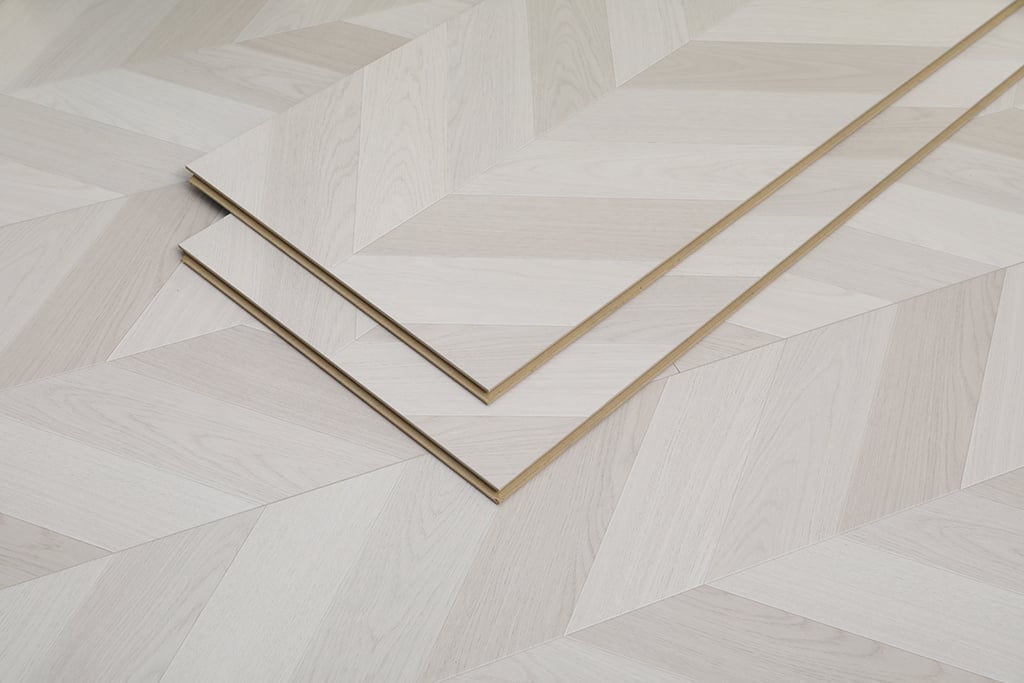
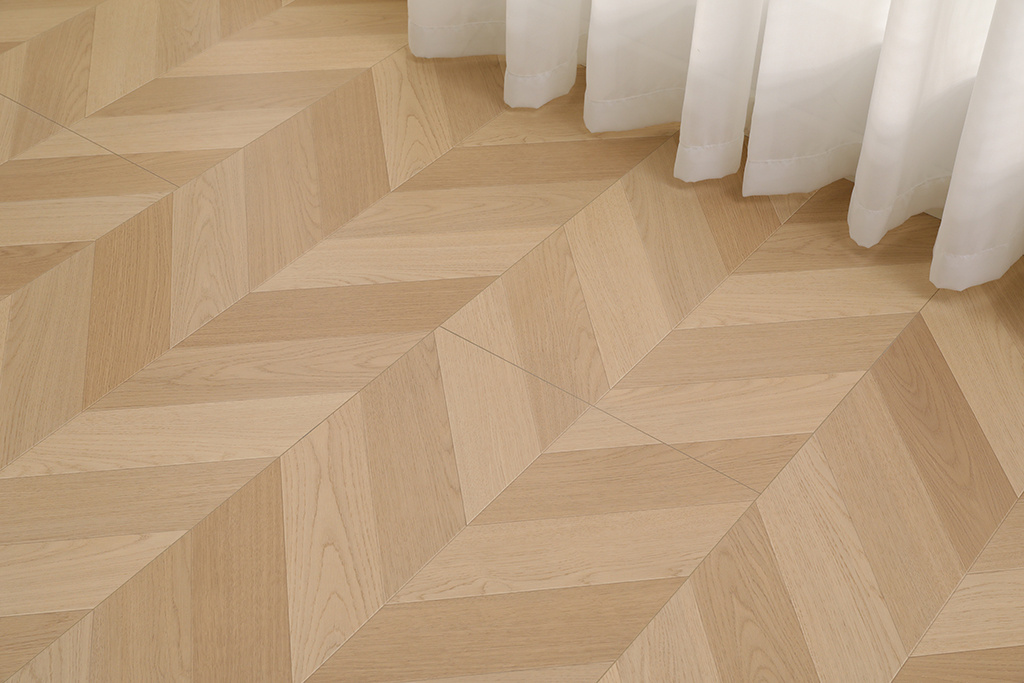
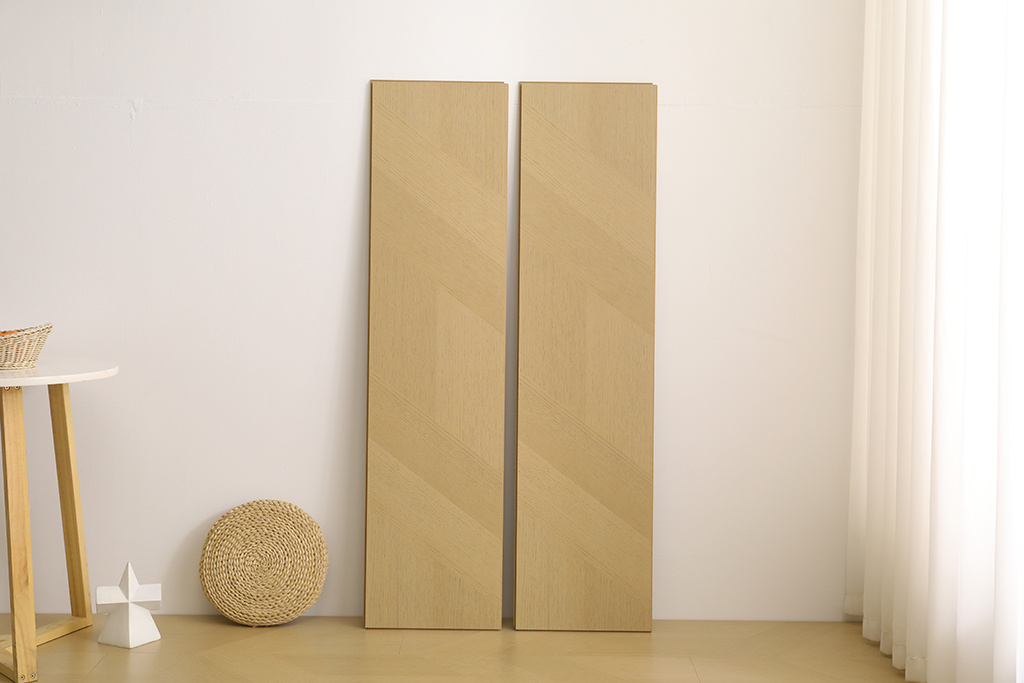
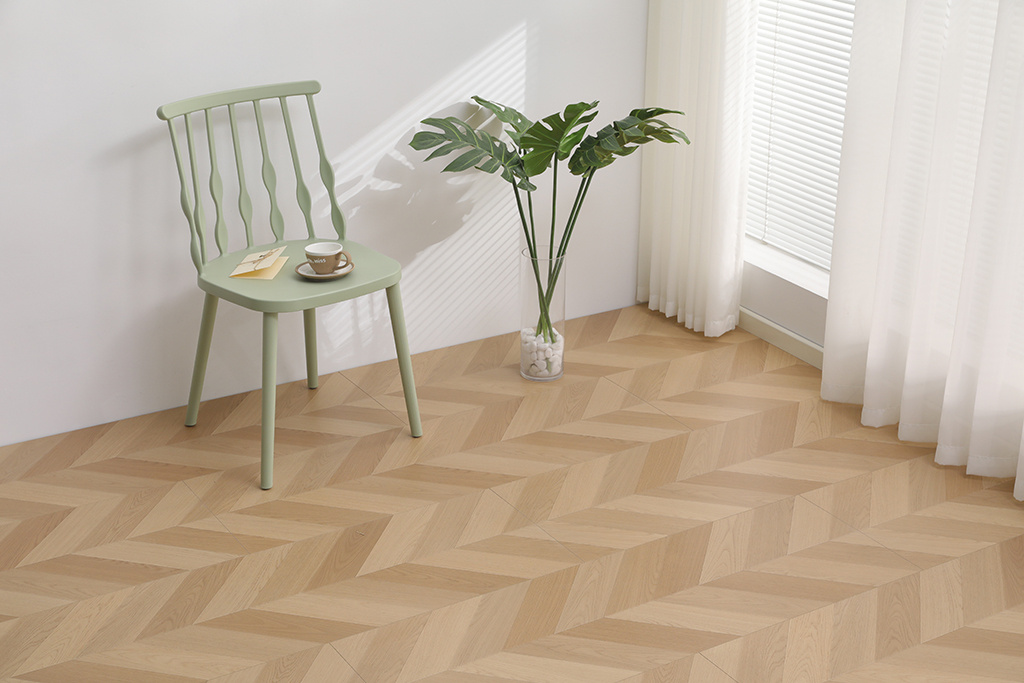
Balıq sümüyü formasında döşəmə naxşı, memarlıq sahəsində yüzlərlə il ərzində aparılan təkmilləşdirmə işlərinin nəticəsidir və müvəqqəti dizayn trendlərini aşan sofistike estetikaya malikdir. Bu klassik düzülüş, ziyarətçilər və istifadəçilər üçün lüks və peşəkarlıq hissi yaradaraq, dərhal mühitə böyük dərəcədə qiymət verdirir. Balıq sümüyü formasında döşəmə taxtalarının diaqonal yerləşdirilməsi, məkanın bütün sahəsində gözləri yönləndirən dinamik vizual hərəkət yaradır və paralel düzülüşlərlə əldə edilə bilməyən dərinlik və üçölçülü effekt yaradır. Daxili dizayn sahəsində aparılan tədqiqatlara görə, bu optik effekt kiçik otaqlarda xüsusilə faydalıdır, çünki naxış otağın görünən kvadrat metrajını 20 faiz qədər artırmağa imkan verir. Davamlı zigzaq ritmi, qonşu məkanlar arasında uyğun axın qorunarkən, diqqət mərkəzlərini müəyyən edir; beləliklə, vizual davamlılığın vacib olduğu açıq planlı məkanlar üçün balıq sümüyü formasında döşəmə ideal seçimdir. Naxışın özündən gələn mürəkkəbliyi, əlavə dekorativ elementlər tələb etmədən, səthə toxunma marağı əlavə edir və beləliklə, mebellərin seçilməsini sadələşdirir və ümumi dizayn xərclərini azaldır. Skandinav sadəliyi üçün açıq tonlarda, ya da klassik lüks üçün zəngin ağac materiallarda həyata keçirilsə də, balıq sümüyü formasında döşəmə müxtəlif estetik konsepsiyalara uyğunlaşa bilir və eyni zamanda özünəməxsus zarafatı və memarlıq mövcudluğunu saxlayır.
 EN
EN