 EN
EN


Maintaining fishbone flooring in high-traffic commercial environments requires a strategic approach that balances aesthetic preservation with functional durability. This distinctive herringbone pattern creates stunning visual appeal in commercial spaces, but the unique installation pattern and increased surface area demand specialized maintenance protocols. Understanding the specific challenges that high-traffic areas present to fishbone flooring systems helps facility managers develop effective long-term care strategies that protect their flooring investment while maintaining professional appearance standards.
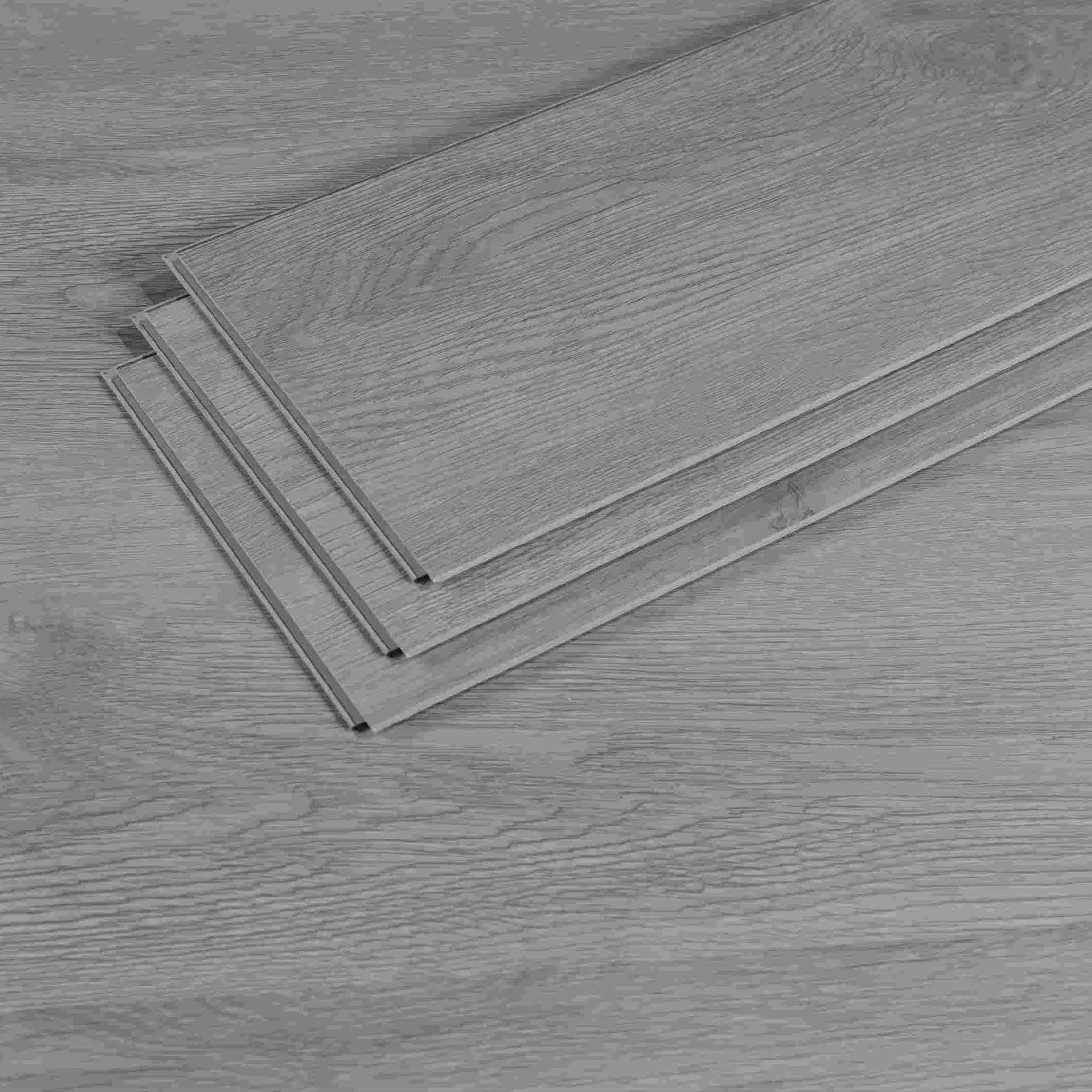
Commercial spaces with fishbone flooring face unique maintenance challenges due to the intricate pattern geometry and heavy foot traffic patterns. The diagonal installation creates more seam lines and potential wear points compared to traditional plank layouts, requiring more detailed attention during routine cleaning and maintenance procedures. High-traffic areas such as lobbies, corridors, retail spaces, and office environments place additional stress on these decorative flooring systems, making proper maintenance techniques essential for preserving both functionality and visual impact over extended periods.
Understanding Traffic Patterns and Wear Points
Identifying High-Stress Zones in Fishbone Flooring
High-traffic commercial areas create specific wear patterns on fishbone flooring that differ significantly from residential applications. The herringbone pattern concentrates stress at intersection points where diagonal planks meet, creating potential failure points under heavy foot traffic. Entry areas, pathway convergence points, and areas directly in front of elevators or main doors experience the most intense wear, requiring focused maintenance attention to prevent premature deterioration of the flooring surface.
Traffic flow analysis reveals that fishbone flooring in commercial settings experiences uneven wear distribution due to natural pedestrian movement patterns. Corners and edges of the herringbone pattern tend to accumulate more debris and experience greater mechanical stress from heel strikes and rolling equipment. Understanding these wear patterns allows maintenance teams to develop targeted cleaning schedules and protective measures that address the most vulnerable areas of the flooring installation.
Impact Assessment of Commercial Environment Factors
Commercial environments expose fishbone flooring to multiple stress factors beyond simple foot traffic, including rolling carts, furniture movement, temperature fluctuations from HVAC systems, and varying moisture levels throughout the day. These environmental factors interact with the unique geometry of fishbone flooring patterns to create maintenance challenges that require comprehensive understanding of material behavior under commercial use conditions.
The diagonal installation pattern of fishbone flooring creates different expansion and contraction dynamics compared to traditional straight-lay installations, particularly in commercial spaces with variable climate control. Seasonal temperature changes and daily HVAC cycling can cause differential movement between individual planks, potentially creating gaps or buckling if proper maintenance protocols are not followed consistently throughout the year.
Daily Cleaning Protocols for Commercial Fishbone Flooring
Proper Sweeping and Debris Removal Techniques
Effective daily maintenance of fishbone flooring begins with proper debris removal techniques that account for the pattern's tendency to trap particles at plank intersections. The angled installation creates small valleys where dirt, sand, and other abrasive materials can accumulate, requiring specialized sweeping patterns that work with the herringbone geometry rather than against it. Commercial cleaning teams should use high-quality microfiber dust mops or soft-bristled brooms that can effectively reach into the pattern's crevices without causing surface scratches.
Daily sweeping protocols for fishbone flooring should follow diagonal patterns that align with the plank installation angles, ensuring complete debris removal from all surface areas. This technique prevents the buildup of abrasive materials that can cause premature wear to the protective surface coating and maintains the flooring's visual clarity. Regular debris removal also prevents particles from being ground into the surface by foot traffic, which is particularly important in high-traffic commercial areas where constant pedestrian movement can quickly damage unprotected surfaces.
Appropriate Mopping Methods and Cleaning Solutions
Mopping fishbone flooring in commercial settings requires careful selection of cleaning solutions and application methods that protect the surface finish while effectively removing soil and stains. Neutral pH cleaners specifically designed for the flooring material type provide optimal cleaning results without compromising the protective coatings that preserve the floor's appearance and durability. Avoid harsh chemicals, ammonia-based products, or abrasive cleaners that can damage the surface or cause discoloration over time.
The mopping technique for fishbone flooring should utilize damp mopping methods rather than wet mopping to prevent moisture penetration into seam lines and potential substrate damage. Commercial facilities should implement controlled moisture application using well-wrung mops or microfiber cleaning systems that deliver consistent moisture levels across the entire surface area. This approach ensures thorough cleaning while protecting the flooring installation from water-related damage.
Preventive Maintenance Strategies
Installation of Protective Barriers and Entrance Systems
Implementing comprehensive entrance protection systems significantly reduces the maintenance burden on fishbone flooring in high-traffic commercial areas. Quality entrance matting systems should extend at least 12-15 feet into the building to allow sufficient soil and moisture removal from foot traffic before contact with the decorative flooring surface. These protective barriers trap approximately 80-90% of tracked-in debris and moisture when properly sized and maintained.
Strategic placement of protective barriers at transition points between different flooring types helps preserve the integrity of fishbone flooring installations. Threshold strips, beveled transitions, and protective films can be applied in high-wear areas to distribute load forces and prevent edge damage to individual planks. Regular inspection and replacement of these protective elements ensures continued effectiveness in reducing direct impact on the flooring surface.
Scheduled Deep Cleaning and Surface Protection
Fishbone flooring in commercial environments benefits from regularly scheduled deep cleaning procedures that address accumulated soil and restore surface appearance. These comprehensive maintenance sessions should occur monthly or quarterly depending on traffic levels, using specialized equipment and cleaning techniques designed for the specific flooring material. Deep cleaning removes embedded dirt and refreshes protective coatings that may have worn down under heavy use conditions.
Surface protection programs for commercial fishbone flooring may include application of protective coatings, sealers, or polishes that enhance durability and maintain visual appeal. These treatments create additional barriers against wear and staining while simplifying routine maintenance procedures. Professional application of protective products ensures proper coverage and compatibility with the existing flooring system, maximizing the effectiveness of the protective treatment.
Addressing Common Maintenance Challenges
Managing Seam Integrity and Pattern Alignment
The unique installation pattern of fishbone flooring creates numerous seam lines that require ongoing attention in high-traffic commercial applications. Regular inspection of seam integrity helps identify potential problems before they develop into major maintenance issues requiring extensive repair work. Loose planks, gaps between pieces, or misaligned sections should be addressed promptly to prevent further deterioration and maintain the overall stability of the flooring system.
Maintaining proper pattern alignment in fishbone flooring requires understanding of the installation methodology and potential causes of pattern disruption. Temperature fluctuations, moisture exposure, and mechanical stress from heavy traffic can cause individual planks to shift or separate, compromising the visual continuity of the herringbone pattern. Early intervention when alignment issues are detected prevents more extensive damage and preserves the decorative appearance that makes fishbone flooring desirable for commercial applications.
Stain Removal and Surface Restoration Techniques
Commercial fishbone flooring installations frequently encounter various types of stains and surface damage that require specialized removal techniques. Different stain types demand specific treatment approaches, from simple spot cleaning for minor spills to more intensive restoration procedures for permanent or set-in stains. Understanding the appropriate response to different staining agents helps maintain the flooring's appearance while avoiding damage from improper cleaning attempts.
Surface restoration techniques for fishbone flooring must account for the pattern's visual requirements and the need to maintain consistent appearance across the entire installation. Localized repairs or refinishing work should blend seamlessly with surrounding areas to preserve the decorative impact of the herringbone pattern. Professional assessment may be necessary for significant damage to determine whether individual plank replacement or broader restoration work provides the most effective solution.
Long-term Care and Replacement Planning
Monitoring Performance Indicators and Wear Patterns
Successful long-term maintenance of fishbone flooring in commercial settings requires systematic monitoring of performance indicators that signal when maintenance escalation or replacement planning becomes necessary. Visual assessment protocols should document changes in surface gloss, color consistency, pattern integrity, and overall appearance that indicate normal aging versus premature failure. Regular photographic documentation provides objective comparison data for tracking degradation patterns over time.
Wear pattern analysis helps facility managers understand how their specific traffic patterns and usage conditions affect fishbone flooring performance. This information supports decisions about maintenance frequency adjustments, protective measure enhancements, or eventual replacement timing. Understanding the relationship between usage intensity and flooring degradation enables more accurate budgeting and planning for long-term facility maintenance requirements.
Strategic Replacement and Upgrade Considerations
Planning for eventual replacement of fishbone flooring in high-traffic commercial areas requires consideration of upgraded materials, installation methods, and maintenance technologies that may have become available since the original installation. Advances in flooring materials and protective coatings may offer improved durability and reduced maintenance requirements for replacement installations, making evaluation of current market options valuable for long-term facility planning.
Partial replacement strategies for fishbone flooring must account for the pattern's visual requirements and the challenge of matching existing materials and finishes. Phased replacement programs allow facility managers to address the highest-wear areas first while maintaining overall appearance and functionality. This approach spreads replacement costs over time while ensuring continuous protection and visual appeal in commercial spaces.
FAQ
How often should fishbone flooring be deep cleaned in high-traffic commercial areas?
Deep cleaning frequency for commercial fishbone flooring depends on traffic intensity but typically ranges from monthly to quarterly. Extremely high-traffic areas like shopping center corridors may require monthly deep cleaning, while moderate-traffic office spaces can often extend to quarterly schedules. Regular assessment of soil accumulation and surface appearance should guide the specific timing for each facility's unique conditions.
What are the most common mistakes when maintaining fishbone flooring patterns?
The most frequent maintenance mistakes include using excessive water during mopping, which can penetrate seams and cause damage, and employing incorrect sweeping patterns that push debris into pattern crevices. Other common errors include using inappropriate cleaning chemicals that can damage protective finishes and neglecting entrance protection systems that would prevent much of the soil and moisture from reaching the flooring surface.
Can damaged sections of fishbone flooring be repaired without replacing entire areas?
Individual plank replacement in fishbone flooring installations is possible but requires careful attention to pattern continuity and material matching. Successful repairs depend on the availability of matching materials and skilled installation techniques that maintain the herringbone pattern alignment. Minor surface damage may be addressable through refinishing techniques, while significant damage typically requires professional assessment to determine the most effective repair approach.
How does fishbone flooring maintenance differ from traditional plank flooring maintenance?
Fishbone flooring maintenance requires more attention to seam lines and pattern intersections where debris tends to accumulate and wear concentrates. The diagonal installation creates different cleaning patterns and requires modified sweeping and mopping techniques compared to straight-lay installations. Additionally, the increased number of seam lines in fishbone patterns demands more frequent inspection for gaps, misalignment, or other pattern-related issues that could affect performance and appearance.
Table of Contents
- Understanding Traffic Patterns and Wear Points
- Daily Cleaning Protocols for Commercial Fishbone Flooring
- Preventive Maintenance Strategies
- Addressing Common Maintenance Challenges
- Long-term Care and Replacement Planning
-
FAQ
- How often should fishbone flooring be deep cleaned in high-traffic commercial areas?
- What are the most common mistakes when maintaining fishbone flooring patterns?
- Can damaged sections of fishbone flooring be repaired without replacing entire areas?
- How does fishbone flooring maintenance differ from traditional plank flooring maintenance?