 EN
EN

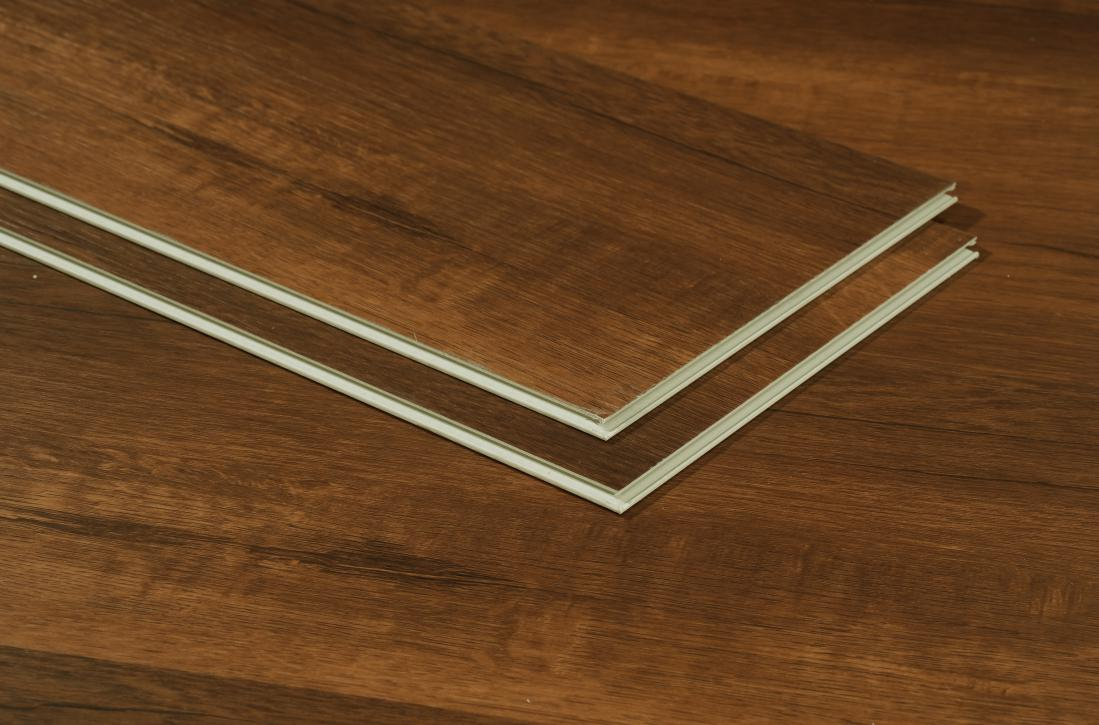
In the rapidly evolving world of commercial interiors, selecting the right flooring solution is one of the most consequential decisions a facility manager, designer, or business owner can make. The flooring must endure heavy foot traffic, resist moisture and chemicals, look professional, and be cost-effective enough to deploy across large square footage. Among the available options today, piso spc has emerged as one of the most compelling and technically advanced choices for modern commercial environments. Its unique combination of structural rigidity, visual versatility, and low-maintenance requirements makes it a standout solution across a broad range of commercial applications.
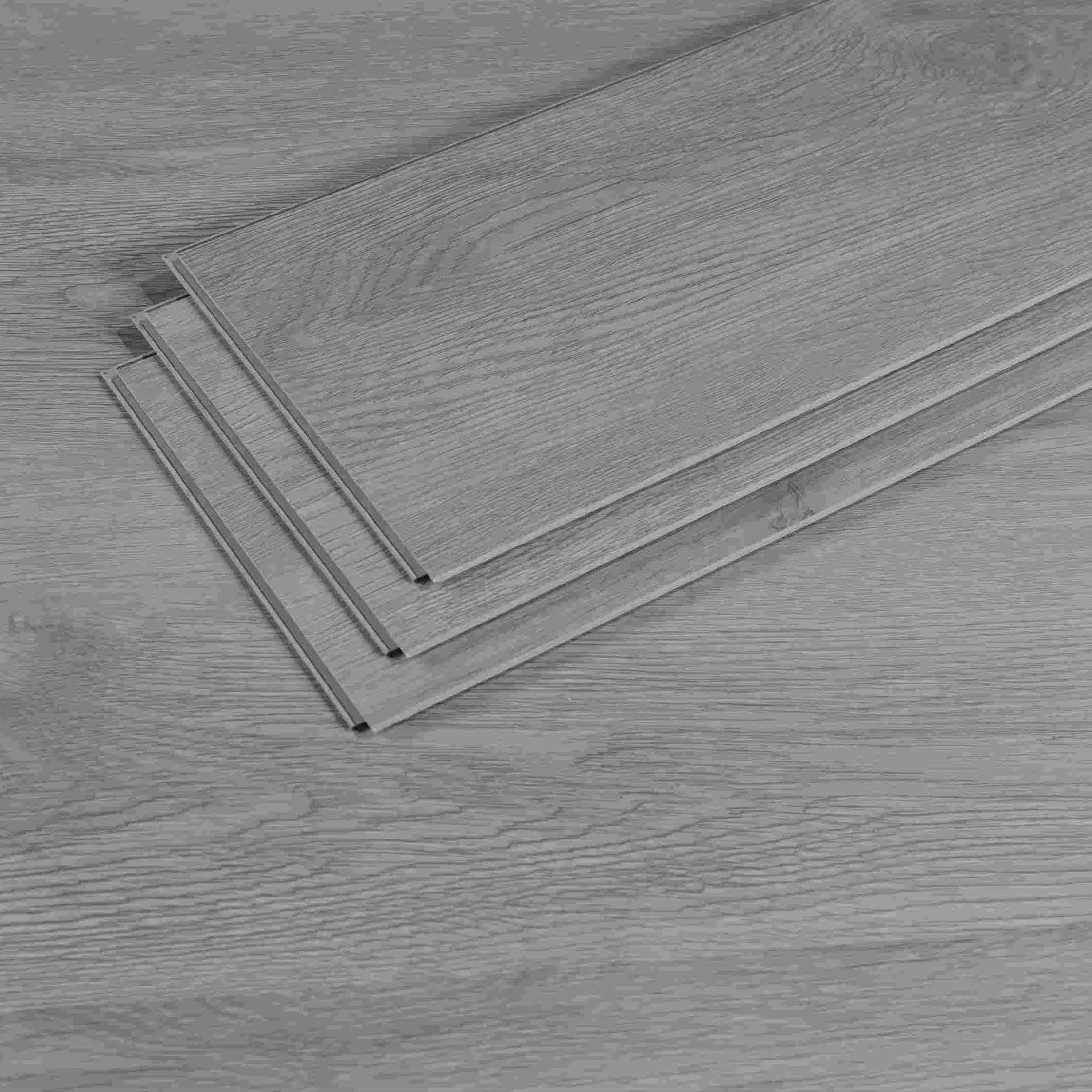
SPC stands for Stone Plastic Composite, a hybrid flooring technology that fuses limestone powder, polyvinyl chloride, and stabilizing compounds into a highly dense, dimensionally stable core. Unlike traditional vinyl or laminate flooring, piso spc does not expand, contract, or warp under fluctuating temperatures and humidity levels — characteristics that are especially critical in commercial spaces such as retail stores, hotels, offices, healthcare facilities, and restaurants. This article explores exactly why piso spc has become the preferred flooring investment for modern commercial environments, and what makes it technically and practically superior for demanding business use cases.
The Structural Advantages of SPC Flooring in High-Traffic Commercial Spaces
Rigid Core Technology That Withstands Daily Punishment
The defining characteristic of piso spc is its rigid stone plastic composite core. This engineered core layer is substantially denser and harder than the cores found in traditional LVP or WPC flooring. In commercial settings where rolling carts, heavy furniture, high heels, and constant foot movement are daily realities, this rigidity translates directly into durability. The floor does not dent under point-load pressure, nor does it delaminate or buckle under sustained mechanical stress.
Businesses that have previously struggled with soft-core flooring solutions understand the real cost of premature wear and replacement. Piso spc eliminates this concern by delivering a surface that maintains its structural integrity over years of intensive commercial use. The dense core also significantly reduces the hollow sound underfoot, which is a common complaint in retail environments using thinner vinyl alternatives. This contributes to a more professional and polished customer experience.
Furthermore, the rigidity of piso spc makes it highly compatible with in-floor radiant heating systems — a feature increasingly common in premium commercial spaces. Because the core does not expand significantly with heat, it remains flat, stable, and safe even when temperature variations occur beneath the surface. This makes it a technically sound choice for modern commercial builds that integrate smart climate systems.
Dimensional Stability Across Variable Conditions
One of the most important practical advantages of piso spc in commercial environments is its exceptional dimensional stability. Commercial spaces are frequently exposed to temperature swings, HVAC fluctuations, kitchen heat, and moisture from cleaning operations. Most flooring materials expand and contract with these changes, creating gaps, warping, or surface bubbling over time. The limestone composite core in piso spc resists these dimensional changes with exceptional reliability.
This stability also simplifies installation. Because piso spc does not require the same acclimation period that wood-based products need before installation, commercial projects can proceed on tighter timelines. For businesses undergoing renovation while minimizing downtime, this is a concrete operational advantage. Installers can work efficiently without worrying about the floor shifting after the project is complete.
Dimensional stability further means that piso spc can be installed in areas with transitions between different floor coverings, such as the threshold between a kitchen and a dining area, without the risk of one material rising above the other due to differential movement. In commercial design, these seamless transitions contribute to both safety and visual coherence.
Waterproof Performance and Hygiene Compliance in Commercial Settings
100% Waterproof Construction for Demanding Environments
Piso spc is a 100% waterproof flooring solution from its core to its surface layer. This is not merely a marketing claim but a direct result of the material composition — the limestone and PVC blend creates a non-porous core that water cannot penetrate. In commercial environments such as restaurants, hotel lobbies, spa reception areas, healthcare waiting rooms, and commercial kitchens, liquid exposure is routine rather than exceptional. Having a floor that can withstand spills, mopping, steam cleaning, and even shallow flooding without suffering damage is a fundamental operational requirement.
Traditional hardwood and laminate flooring categorically fail in wet commercial environments, often showing swelling, discoloration, or mold growth within months. Piso spc eliminates these failure modes entirely. Even in scenarios where water penetrates through seams — which is minimized by proper installation — the core does not absorb moisture, meaning the floor retains its shape and integrity. For business owners, this translates directly into lower maintenance costs and a longer effective lifespan.
The waterproof nature of piso spc also supports compliance with hygiene standards in regulated commercial sectors. Food service businesses, healthcare providers, and childcare facilities often must meet specific flooring standards related to moisture resistance and cleanability. Piso spc satisfies these requirements while offering the visual appeal that modern commercial interiors demand.
Ease of Cleaning and Antibacterial Surface Properties
The smooth, non-porous wear layer on piso spc does not harbor bacteria, allergens, or dust mites in the same way that carpet or natural stone grout does. This makes it a hygienically superior choice for commercial environments where cleanliness is directly linked to brand reputation and health compliance. Routine cleaning requires nothing more than a damp mop and a mild commercial-grade cleaner, significantly reducing the labor time associated with floor maintenance.
In high-frequency commercial spaces, cleaning downtime is a real cost factor. With piso spc, maintenance teams can clean and dry the floor quickly, returning it to operational use without extended wait times. This operational efficiency is particularly valuable in spaces like hotel corridors, retail environments, and medical waiting areas that must maintain a constant state of presentability throughout the business day.
The wear layer of quality piso spc products also includes UV-resistant properties that prevent the surface from yellowing or fading under prolonged artificial or natural light exposure. In commercial showrooms and retail stores where lighting intensity is high and consistent, this UV stability helps the floor maintain its original appearance for years, protecting the visual investment made during the design phase.
Design Versatility and Aesthetic Alignment With Modern Commercial Interiors
Realistic Wood and Stone Visual Options
Modern commercial interiors demand flooring that performs technically while contributing to a refined brand environment. Piso spc excels in this area through its advanced printing and embossing technology, which replicates the appearance of natural hardwood, stone, and concrete with remarkable authenticity. The textured surface layers are designed to mirror the grain patterns, knot structures, and mineral variations found in natural materials, allowing designers to achieve premium visual results at a fraction of the cost of authentic stone or hardwood.
For commercial designers, this versatility opens a wide range of creative possibilities. A modern hotel lobby can achieve the warm elegance of wide-plank oak flooring. A contemporary office space can feature the cool minimalism of concrete-look piso spc. A retail boutique can select marble-inspired tones to signal luxury. All of these aesthetics are achievable with piso spc without the installation complexity, weight concerns, or long-term maintenance demands of natural materials.
The consistency of appearance across large areas is another design advantage. Natural stone and hardwood have inherent variation that can create visual irregularities when installed across expansive commercial floors. Piso spc offers controlled visual consistency, ensuring that the design concept translates uniformly from the initial rendering to the final installed surface.
Thickness, Format, and Installation Options for Commercial Projects
Piso spc is available in a variety of thicknesses, typically ranging from 4mm to 8mm, with wear layer options that allow commercial buyers to calibrate their specification to the expected traffic intensity. High-traffic commercial zones such as shopping center walkways or hotel corridors benefit from thicker cores and heavier wear layers, while lower-traffic commercial spaces like private offices can use more cost-efficient configurations. This scalability makes piso spc a highly practical solution for commercial projects with diverse functional zones within the same building.
The click-lock installation system used by most piso spc products enables floating floor installations that do not require adhesive, reducing both installation time and future removal costs. In commercial settings where renovation cycles are shorter than in residential use, the ability to remove and replace flooring efficiently is a significant logistical advantage. It also reduces the disruption caused by renovation in occupied commercial buildings.
Large-format plank and tile options in piso spc collections allow designers to work with contemporary proportions that align with current architectural trends. Wider planks create a more expansive, modern feel in commercial corridors and open-plan offices. Tile formats enable precise geometric patterns in reception areas and retail entry zones. The format versatility of piso spc ensures it can meet the specific visual and functional requirements of virtually any commercial interior brief.
Cost-Efficiency and Long-Term Commercial Value
Lower Total Cost of Ownership Compared to Natural Materials
When evaluating flooring for commercial projects, the initial material cost is only one dimension of financial analysis. The total cost of ownership must account for installation labor, maintenance, repair, replacement frequency, and operational disruption costs over the floor's service life. On all of these dimensions, piso spc delivers compelling commercial value compared to natural stone, ceramic tile, hardwood, or commercial carpet.
The click-lock installation system reduces labor hours significantly compared to glue-down or mortar-set alternatives. The waterproof and scratch-resistant properties reduce the frequency and cost of repairs. The durable wear layer extends the interval between full replacements. And the ease of cleaning reduces ongoing labor costs. When these factors are aggregated over a five- to ten-year period, piso spc consistently emerges as one of the most financially efficient commercial flooring choices available.
For businesses managing multiple commercial locations — such as retail chains, hotel groups, or healthcare networks — the scalability of piso spc procurement offers additional savings through volume consistency. A single piso spc specification can be applied across dozens of locations, simplifying supply chain management, ensuring visual brand consistency, and reducing the complexity of maintenance training for facility teams.
Sustainability and Certification Compliance for Modern Business Standards
Sustainability is an increasingly important criterion in commercial flooring decisions, driven by corporate environmental policies, green building certification requirements, and tenant expectations. Quality piso spc products are typically manufactured to meet or exceed international emissions standards such as FloorScore certification, ensuring that they contribute to healthy indoor air quality rather than compromising it. For commercial buildings pursuing LEED or BREEAM certification, selecting compliant flooring products like piso spc supports the overall green building score.
The longevity of piso spc also has a sustainability dimension. A floor that lasts fifteen to twenty years in a commercial environment generates significantly less waste than a floor that requires replacement every five years. Fewer raw materials are consumed, fewer manufacturing emissions are generated, and less construction waste enters the waste stream. For businesses with formal sustainability reporting obligations, this lifecycle performance is a meaningful environmental contribution.
Additionally, some piso spc products incorporate recycled content in their core composition without compromising structural performance. As commercial procurement teams apply greater scrutiny to the environmental credentials of building materials, manufacturers of piso spc who can demonstrate responsible sourcing and emissions compliance will be better positioned to meet the evolving standards of institutional and corporate buyers.
FAQ
Is piso spc suitable for all types of commercial flooring applications?
Piso spc is suitable for a very wide range of commercial applications, including retail stores, hotels, offices, healthcare facilities, restaurants, and educational buildings. Its waterproof, durable, and low-maintenance properties align well with most commercial demands. However, for extremely heavy industrial environments involving forklifts, heavy-duty chemical exposure, or extreme heat, a specialized industrial flooring solution may be more appropriate than piso spc.
How does piso spc compare to ceramic tile for commercial use?
Piso spc offers several practical advantages over ceramic tile in commercial settings. It is warmer underfoot, significantly quieter, easier and faster to install, and more comfortable for staff standing or walking for extended periods. While ceramic tile has superior heat resistance, piso spc handles most commercial moisture and traffic scenarios with excellent results and lower installation and maintenance costs. For commercial spaces prioritizing comfort, speed of installation, and design flexibility, piso spc is often the more practical choice.
What wear layer thickness should be selected for high-traffic commercial piso spc installations?
For high-traffic commercial environments, a wear layer of at least 0.5mm (20 mil) is generally recommended. Premium commercial specifications may use 0.7mm or even thicker wear layers for environments with extreme foot traffic such as transportation hubs or large retail stores. The wear layer thickness directly affects the floor's resistance to scratching, scuffing, and surface degradation, making it one of the most important technical specifications when selecting piso spc for demanding commercial applications.
Can piso spc be installed directly over existing commercial flooring?
In many cases, piso spc can be installed as a floating floor directly over existing smooth, flat, and structurally sound subfloor surfaces, including old vinyl, ceramic tile, and concrete. This can significantly reduce renovation time and demolition costs in commercial renovation projects. However, the existing surface must be level within manufacturer-specified tolerances, and any significant height variations should be corrected before installation. Always consult the specific installation guidelines for the piso spc product being used to ensure compliance and warranty validity.
Table of Contents
- The Structural Advantages of SPC Flooring in High-Traffic Commercial Spaces
- Waterproof Performance and Hygiene Compliance in Commercial Settings
- Design Versatility and Aesthetic Alignment With Modern Commercial Interiors
- Cost-Efficiency and Long-Term Commercial Value
-
FAQ
- Is piso spc suitable for all types of commercial flooring applications?
- How does piso spc compare to ceramic tile for commercial use?
- What wear layer thickness should be selected for high-traffic commercial piso spc installations?
- Can piso spc be installed directly over existing commercial flooring?