 EN

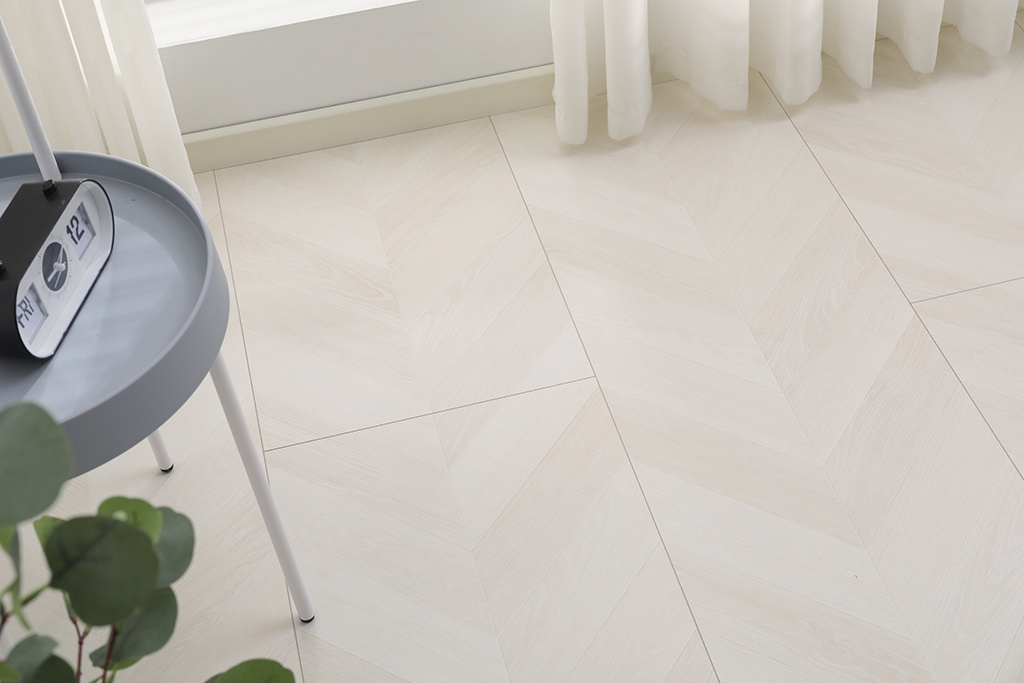
Retailers are choosing fishbone flooring because its angled geometry gives a sales floor a more considered identity than a plain, uniform surface. The fishbone pattern creates visual movement without relying on bright colors or elaborate decoration. In modern retail, where interiors must guide customers and express a brand, this floor design can add character while keeping the overall space practical.
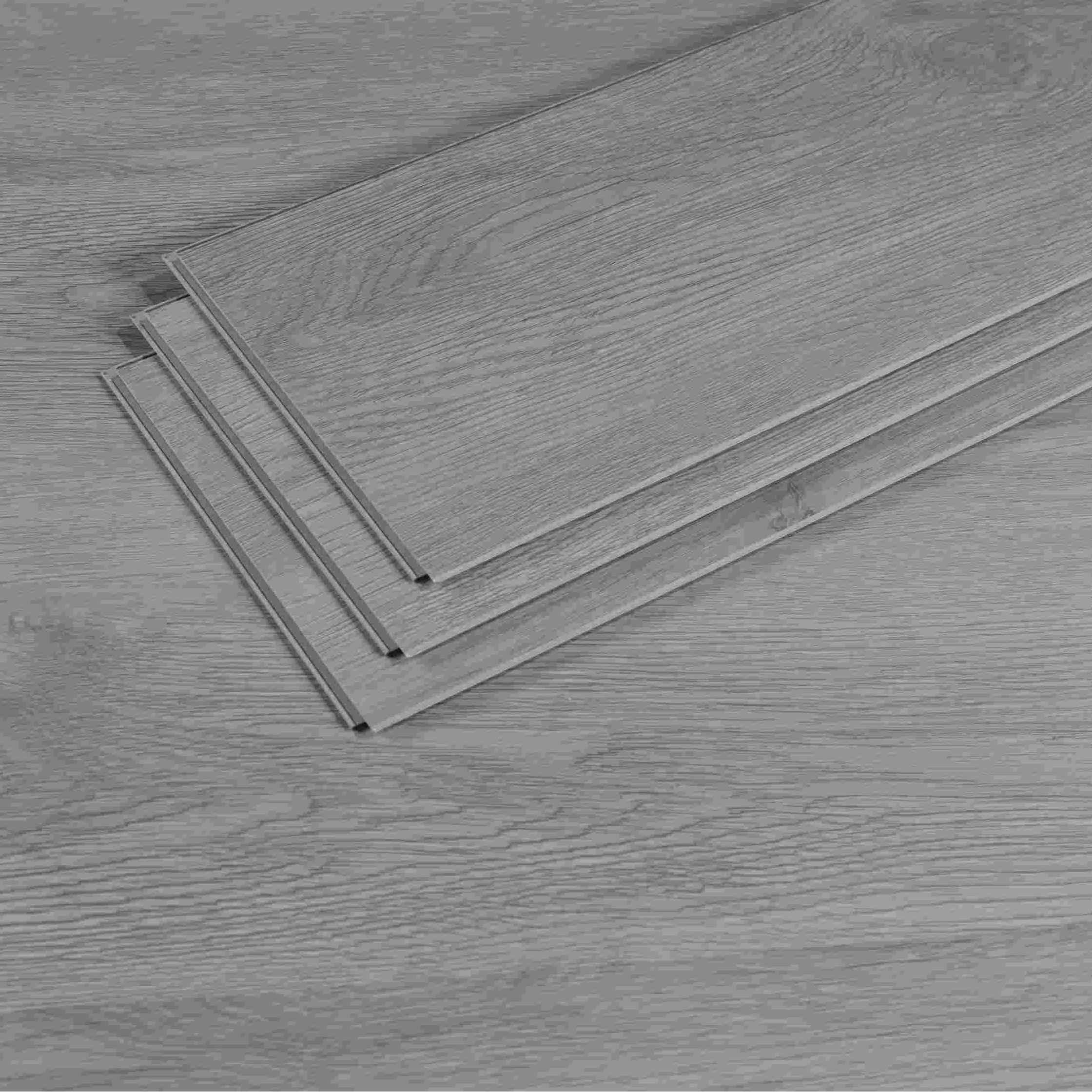
Its popularity is not simply a matter of fashion. Fishbone flooring can help define zones, influence how people perceive a room, and support a cohesive merchandising plan. Retail teams considering this look should also weigh installation, traffic, cleaning, and the relationship between the pattern and the store’s scale. Those practical factors explain when the design works particularly well.
Visual differentiation and customer experience
Visual rhythm from fishbone geometry
A fishbone layout places rectangular planks in alternating directions, forming a repeating, arrow-like sequence. That arrangement creates a distinctive rhythm across the floor, so a retail interior can feel designed even when shelving and product displays are relatively simple. Unlike a bold graphic, fishbone detail can add interest while allowing merchandise, signage, and brand colors to remain in focus.
The direction of the fishbone pattern can also affect the way customers read a space. Lines that run toward a feature wall or checkout may subtly draw attention in that direction, while a consistent layout across the sales floor can make separate departments feel connected. This visual guidance is not a substitute for clear circulation planning, but fishbone geometry can reinforce the intended route.
Perceived quality and customer attention
Customers often notice the overall atmosphere before examining individual finishes. A carefully selected fishbone surface can make an entry area or product zone feel more intentional, which may support a premium or design-led identity. The effect depends on the color, plank scale, lighting, and surrounding fixtures; fishbone is a visual tool, not a guarantee of a particular customer response.
The pattern can be especially useful where a retailer wants texture without adding more visual clutter. In a compact boutique, restrained tones let fishbone provide detail beneath a simple display scheme. In a larger shop, the repeated geometry can help the floor feel less empty. In either setting, coordinate the pattern with shelving lines and focal displays so fishbone complements rather than competes with merchandise.
Practical fit for busy retail environments
Planning around store shape and traffic
A successful fishbone installation begins with the floor plan, not just a sample board. The designer should review entrances, aisles, columns, checkout counters, and transitions to back-of-house areas before setting the pattern direction. This is important because fishbone introduces more visual joints and directional lines than a straight-laid layout, making alignment at thresholds and prominent edges especially noticeable.
Store dimensions also influence the result. Smaller planks can make fishbone appear detailed and intricate, while larger formats may create a calmer, broader rhythm. Neither scale is automatically right: the choice should reflect viewing distance, room proportions, fixture size, and the level of pattern already present in the interior. Mocking up a representative area helps teams judge those relationships before installation.
Material and maintenance considerations
Retail floors face rolling carts, footwear, dropped items, and frequent cleaning, so the appearance of fishbone should be considered alongside the properties of the selected flooring material. Review the product’s documented wear characteristics, surface finish, cleaning guidance, and suitability for the intended traffic. Confirming these details helps match the design to daily operations instead of treating the pattern as the only selection criterion.
Cleaning routines should also be compatible with the chosen surface and its installation. Dust and debris can be more visible where contrasting planks emphasize the fishbone geometry, while a highly varied finish may disguise everyday marks differently from a uniform tone. Establish a practical cleaning schedule and use approved methods. Clear maintenance expectations help preserve the floor’s intended appearance without unsupported assumptions about durability.
Making the design work for a retail project
Evaluating fishbone against project priorities
Before specifying fishbone, identify what the floor needs to accomplish. A retailer may prioritize a memorable entrance, a refined setting for product presentation, or a way to distinguish one department from another. The pattern is most useful when it supports a defined design goal. If the space already contains strong graphics, varied materials, or busy displays, a quieter floor may be the more coherent choice.
Budget and programme belong in the same discussion. A directional layout can require more planning and careful alignment than a straightforward installation, depending on the room and product system. Ask the project team to assess pattern setting, perimeter cuts, transitions, and material allowances. These decisions clarify the likely installation scope, while a physical sample helps stakeholders evaluate fishbone alongside lighting and fixtures.
Coordinating pattern, brand, and merchandising
Color selection determines whether fishbone reads as subtle texture or a prominent feature. Low-contrast planks generally create a quieter surface, while stronger contrast makes the geometry more visible. Retailers should compare samples with actual wall colors, shelving, and display materials rather than making a decision in isolation. The aim is a floor that supports brand expression without diverting attention from products.
The pattern can also be used selectively. A retailer might carry fishbone through the main customer area, then change to a simpler finish in stockrooms or service zones where a continuous decorative effect is less important. Transitions should be planned so the change feels deliberate and does not interrupt movement. When visual zoning, material suitability, and maintenance needs align, fishbone becomes a considered part of the store experience.
FAQ
Why is fishbone flooring popular in modern retail spaces?
Fishbone is popular because its directional pattern adds visual character and can support a store’s identity without depending on elaborate decoration. It can also help connect displays or emphasize a planned route, provided the layout works with the room and merchandise.
Does the pattern suit every type of retail store?
No. Fishbone may suit boutiques, showrooms, and design-led shops seeking a distinctive floor, but it is not automatically right for every store. Consider the interior’s visual complexity, room proportions, traffic, material requirements, and available installation time before deciding.
What should a retailer check before choosing it?
Review material specifications, cleaning instructions, plank scale, color contrast, pattern direction, and transitions. A sample layout can show how fishbone interacts with lighting and fixtures, while an installation review helps identify alignment details and project requirements early.