 EN
EN

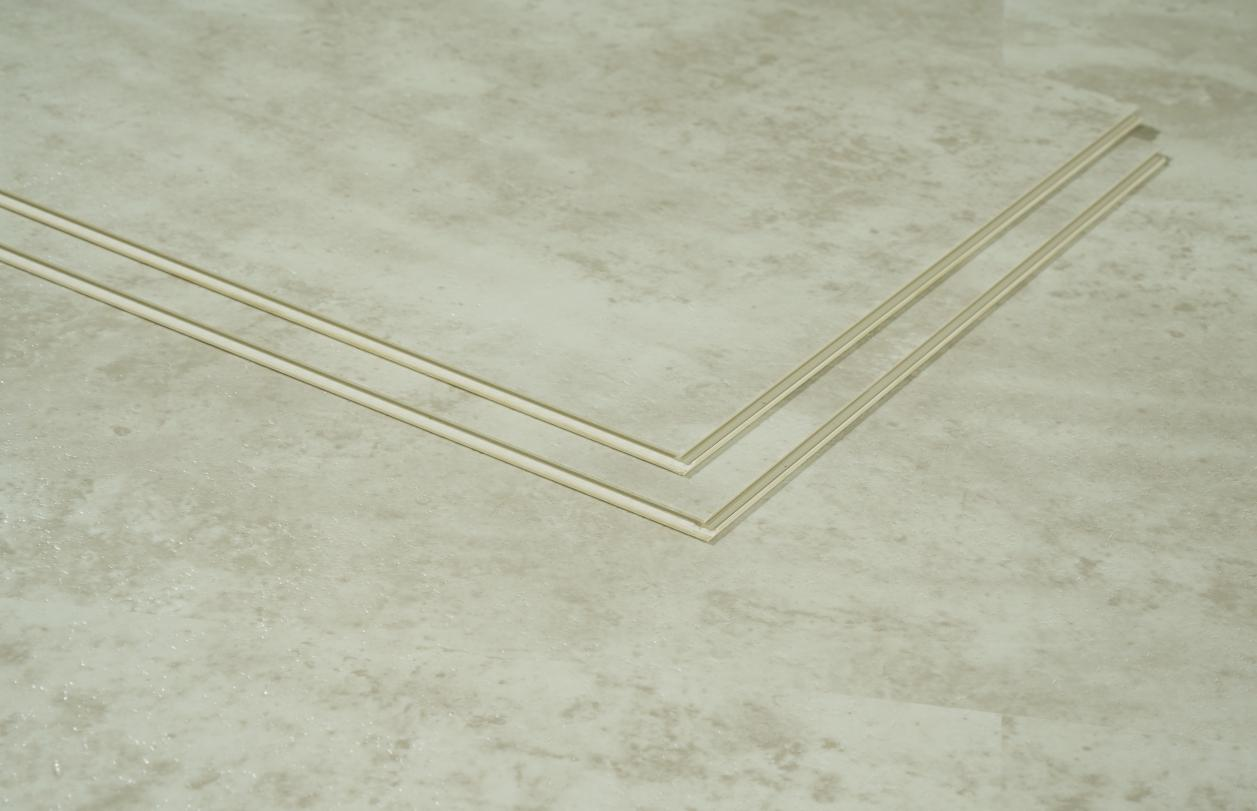
ရေခန်း၊ မီးဖိုခေါင်း သို့မဟုတ် အောက်ထပ်ခန်းများတွင် အတွင်းပိုင်းအက်စ်ပေ့စ်များကို ဒီဇိုင်းရေးဆွဲရာတွင် စိုထောင်မှုဒဏ်ခံနိုင်မှုသည် အရေးကြီးသော စဉ်းစားမှုဖြစ်လာသည်။ အ wPC အင်္ကျီတာ သည် စိုထောင်မှုများကို ခံနိုင်ရည်ရှိပြီး ပျက်စီးမှုမရှိစေရန် အသုံးပြုနိုင်သည့် ခိုင်ခံ့သော နံရံအဖ покရ်များကို ရှာဖွေနေသည့် အိမ်ရှင်များနှင့် အိမ်ဆောက်သမားများအတွက် လူကြိုက်များလာသည့် အဖြေဖြစ်လာသည်။ ရေခံပေါင်း သို့မဟုတ် သစ်သားအခြေပြုပစ္စည်းများနှင့် မတူဘဲ အ wPC အင်္ဂါ ပလိတ် သည် သစ်သားအမျှင်များကို ပေါ်လီဗိုင်းလ်ကလိုရိုက် (PVC) နှင့် ပေါင်းစပ်၍ ရေစုပ်ယူမှု၊ ဖောင်းမှုနှင့် မှိုများ ပေါက်ပွားမှုကို ခံနိုင်ရည်ရှိသည့် ပေါင်းစပ်ပစ္စည်းကို ဖန်တီးပေးသည်။
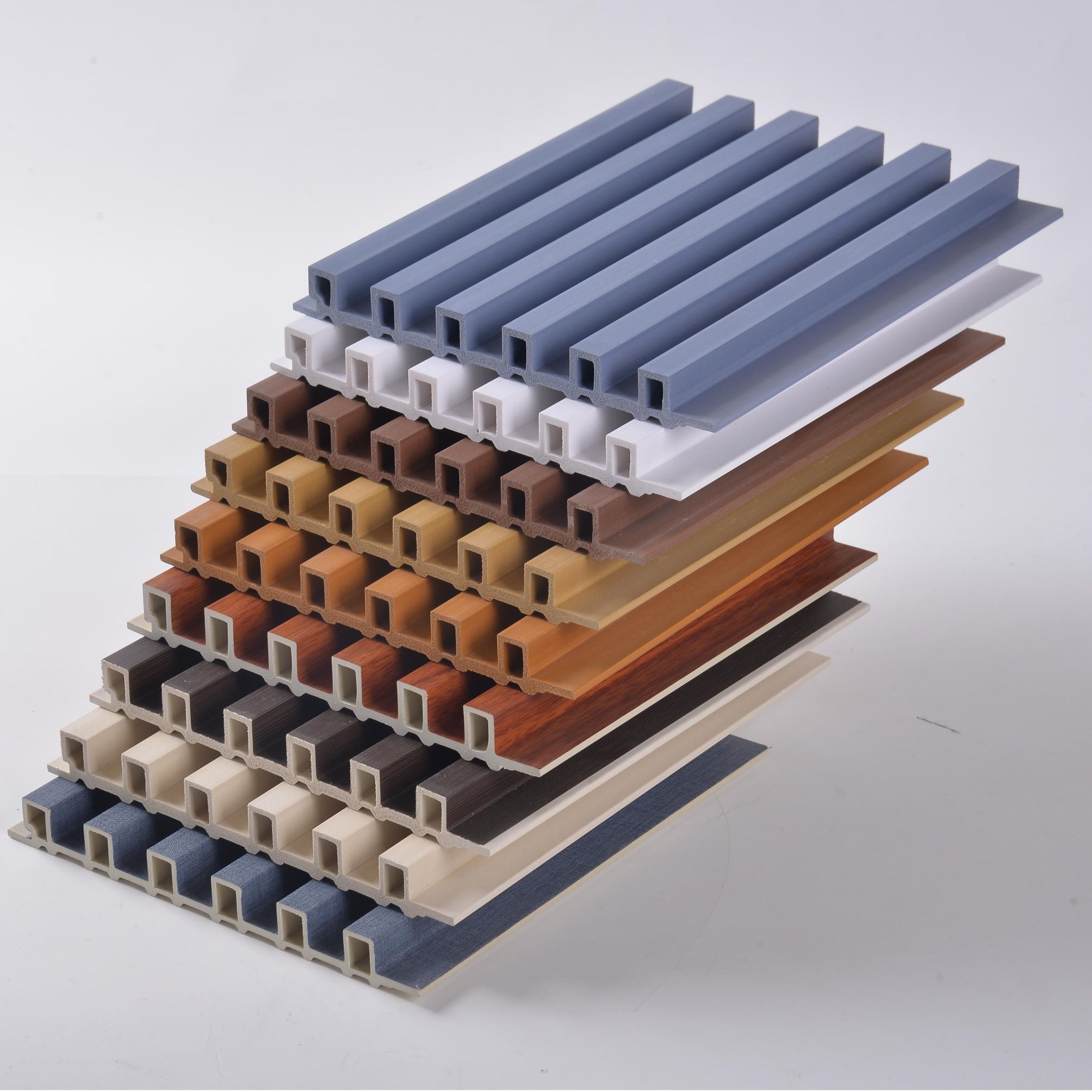
စားကပ်ခလုတ် (Circuit Breaker) အလုပ်လုပ်ပုံကို wPC အင်္ဂါ ပလိတ် သည် စိုထောင်မှုများများရှိသည့် အတွင်းပိုင်းပတ်ဝန်းကျင်များတွင် မည်သို့အလုပ်လုပ်သည်ကို စုံစမ်းရန် အောက်ပါအချက်များကို စုံစမ်းရမည် - ၎င်း၏ ပစ္စည်းဖွဲ့စည်းမှု၊ တပ်ဆင်မှုနည်းလမ်းများနှင့် အမှန်တကယ်ဖြစ်ပေါ်လာသည့် စွမ်းဆောင်ရည်အချက်အလက်များ။ ဤအသေးစိတ်လမ်းညွှန်သည် အ wPC အင်္ဂါ ပလိတ် သည် စိုထောင်မှုများများရှိသည့် နေရာများအတွက် သင့်တော်မှုရှိမရှိနှင့် အခက်ခဲသည့်အခြေအနေများတွင် ရှည်ကြာစွာခံနိုင်ရည်ရှိစေရန် မည်သည့် ထိန်းသိမ်းမှုနည်းလမ်းများကို အသုံးပြုရမည်ကို စုံစမ်းလေ့လာပေးသည်။
စိုထောင်မှုဒဏ်ခံနိုင်မှုနှင့် ပစ္စည်းဖွဲ့စည်းမှု
WPC နံရံပေါင်းများ၏ ရေစုပ်ယူမှုဂုဏ်သတ္တိများ
AwPC အင်္ဂါ ပလိတ် အခြေခံအားဖြင့် သစ်သန့်စင်မှုနှင့် ကွဲပါသည်။ အကြောင်းမှာ ၎င်း၏ ပေါလီဗိုင်းနိုင်လ်ကလိုရိုက် (PVC) မျက်နှာပြင်သည် စိုထောင်းမှုကို တားဆီးသည့် အတားအဆီးဖြစ်သည်။ ရိုးရာသစ်များသည် ရေကို အလွယ်တကူ စုပ်ယူပါသည်။ ထို့ကြောင့် စိုထောင်းသည့် ပတ်ဝန်းကျင်များတွင် ပုံပျက်ခြင်း၊ ဖောင်းခြင်းနှင့် ဖွဲ့စည်းပုံဆိုင်ရာ ပျက်စီးမှုများ ဖြစ်ပေါ်လာပါသည်။ အကျုံးများသည် စိုထောင်းမှုအဆင့်များ ပြောင်းလဲမှုများ၊ ရေငွေ့များနှင့် တိုက်ရိုက်ရေထိတွေ့မှုများကို မျှတစွာ ခံနိုင်ရည်ရှိပါသည်။ ပလပ်စတစ်ပါဝင်မှုသည် ပုံမှန်အားဖြင့် ပစ္စည်း၏ ဖွဲ့စည်းမှု၏ ၅၀ မှ ၇၀ ရှိပါသည်။ ထို့ကြောင့် ရေသည် ပေါင်းစပ်ပစ္စည်း၏ ဖွဲ့စည်းမှုကို အလွ easily စုပ်ယူနိုင်ခြင်း မရှိပါသည်။ ဤဂုဏ်သတ္တိသည် ရေငွေ့များနှင့် ရေစိုမှုများ အမြဲတမ်း ဖြစ်ပေါ်နေသည့် ရေချိုးခန်းများတွင် အထူးအသုံးဝင်ပါသည်။ wPC အင်္ဂါ ပလိတ် စိုထောင်းသည့် ပတ်ဝန်းကျင်များတွင် မှိုနှင့် မှိုမှုန်များ ပေါက်ပွားမှုကို သဘောထားပါသည်။ အကြောင်းမှာ အကြောင်းအများအားဖြင့် မှိုများ ပေါက်ပွားရန် လိုအပ်သည့် ဇီဝကုန်ပစ္စည်းများ စုပုံမှုကို အကြောင်းအများအားဖြင့် ပလပ်စတစ်အ покရ်များသည် တားဆီးပါသည်။ အခြေခံအားဖြင့် အပေါက်များရှိသည့် ပစ္စည်းများနှင့် ကွဲပါသည်။ wPC အင်္ဂါ ပလိတ် ရေချိုးခန်းများတွင် အထူးအသုံးဝင်ပါသည်။ အကြောင်းမှာ ရေချိုးခန်းများမှ ရေငွေ့များနှင့် ရေစိုမှုများ အမြဲတမ်း ဖြစ်ပေါ်နေသည့် အတွက် ဖြစ်ပါသည်။
မှိုနှင့် မှိုမှုန်များ ခံနိုင်ရည်ရှိမှု
သီးနွှမ်းများအတွက် မှုန်းအိမ်တွင် ထုတ်လုပ်မှုကာလကို ရှည်လျော်စေရန် အကောင်းမွန်ဆုံး အကျိုးကျေးဇူးများထဲမှ တစ်ခု wPC အင်္ဂါ ပလိတ် စိုထောင်းသည့် ပတ်ဝန်းကျင်များတွင် မှိုနှင့် မှိုမှုန်များ ပေါက်ပွားမှုကို သဘောထားပါသည်။ အကြောင်းမှာ အကြောင်းအများအားဖြင့် မှိုများ ပေါက်ပွားရန် လိုအပ်သည့် ဇီဝကုန်ပစ္စည်းများ စုပုံမှုကို အကြောင်းအများအားဖြင့် ပလပ်စတစ်အုပ်စုများသည် တားဆီးပါသည်။ wPC အင်္ဂါ ပလိတ် အပေါက်များရှိသည့် ပစ္စည်းများနှင့် ကွဲပါသည်။ wPC အင်္ဂါ ပလိတ် မျက်နှာပုံသွင်းမှုမှာ စိုထောင်းမှုကို မောင်းထုတ်ခြင်း သို့မဟုတ် မိုက်ခရိုဘီယဲလ်များ အပေါ်တွင် ကူးစက်မှုဖြစ်ပေါ်စေရန် သင့်တော်သော အခြေခံမျက်နှာပုံသွင်းမှုကို မေးဖော်ပေးခြင်းမရှိပါ။ လေ့လာမှုများအရ အဆိုပါ wPC အင်္ဂါ ပလိတ် သည် လေဝင်လေထွက်နည်းပါးသော ရေချိုးခန်းများတွင်ပါ ရှည်လျော်စွာကြာမှုအထိ မိုက်ခရိုဘီယဲလ်များကို တားဆီးသည့် ဂုဏ်သတ္တိများကို ထိန်းသိမ်းထားနိုင်ပါသည်။ အခါတစ်ခါတွင် wPC အင်္ဂါ ပလိတ် ကို ဆက်စပ်မှုနေရာများနှင့် အပေါ်ယံပေါ်မှုများတွင် သေချာစွာ ပိတ်မိုက်ထားပါက မျက်နှာပုံသွင်းမှု၏ နောက်ဖှဲ့တွင် စိုထောင်းမှု စိမ့်ဝင်မှုအန္တရာယ်သည် အလွန်နည်းပါးလာပြီး မှိုများ ဖြစ်ပေါ်လာနိုင်ခြင်းအန္တရာယ်ကို ပိုမိုလျော့နည်းစေပါသည်။
စိုထောင်းသောနေရာများတွင် တပ်ဆင်မှုအတွက် စဉ်းစားရမည့်အချက်များ
အောက်ခြေအဆောက်အအုံ ပြင်ဆင်မှုနှင့် လေဝင်လေထွက်မှု
အတွဲအစားတစ်ခုကို ထည့်သွင်းလိုက်ပါ wPC အင်္ဂါ ပလိတ် စိုထောင်းသောပတ်ဝန်းကျင်များတွင် တပ်ဆင်မှုသည် နောက်ခံနံရံအဆောက်အအုံနှင့် လေလှုပ်ရှားမှုကို သေချာစွာ စဥ်းစားရန် လိုအပ်ပါသည်။ အခါတစ်ခါတွင် wPC အင်္ဂါ ပလိတ် သည် စိုထောင်းမှုကို ခုခံနိုင်သော်လည်း တပ်ဆင်မှု၏ နောက်ဖှဲ့တွင် စိုထောင်းမှု စိမ့်ဝင်နေပါက အောက်ခြေအဆောက်အအုံကို ပျက်စီးစေပြီး ဖွဲ့စည်းမှုအား ထိခိုက်စေနိုင်ပါသည်။ အောက်ခြေအဆောက်အအုံတွင် လေဝင်လေထွက်လမ်းကြောင်းများ အလုံအလောက် ရှိကြောင်း အောက်ခြေအဆောက်အအုံများကို တပ်ဆင်သည့်အခါ အောက်ခြေအဆောက်အအုံများကို အက်ဒ်မှုန်းထုတ်ပေးသည်။ အထူးသဖြင့် ရေချိုးခန်းများနှင့် မီးဖိုခေါင်းများတွင် wPC အင်္ဂါ ပလိတ် ကို တပ်ဆင်သည့်အခါ လေဝင်လေထွက်လမ်းကြောင်းများ အလုံအလောက် ရှိကြောင်း အက်ဒ်မှုန်းထုတ်ပေးသည်။ အ wPC အင်္ဂါ ပလိတ် အထူးသဖြင့် ရေစိုမှုကို ကာကွယ်ပေးသည့် သစ်သားများ (pressure-treated lumber) သို့မဟုတ် စိုစွတ်မှုကို ခံနိုင်ရည်ရှိသည့် အခြေခံအဆောက်အအိမ်များပေါ်တွင် တပ်ဆင်ရမည်။ ထို့အပ alongside ရေစိုမှုကို ကာကွယ်ပေးသည့် အလွှာ (moisture barrier) သို့မဟုတ် ရေမိုးမှုကို ကာကွယ်ပေးသည့် အလွှာ (waterproof membrane) ကို အောက်ခြေတွင် တပ်ဆင်ခြင်းဖြင့် အပိုအကာကွယ်မှုကို ထည့်သွင်းပေးနိုင်ပါသည်။ အထူးသဖြင့် ရေနှင့် တိုက်ရိုက်ထိတွေ့မှုရှိသည့် နေရာများ သို့မဟုတ် ရေစိုမှုနှုန်းများ များပြားသည့် နေရာများတွင် အထူးအရေးကြီးပါသည်။ wPC အင်္ဂါ ပလိတ် အထူးသဖြင့် ရေနှင့် တိုက်ရိုက်ထိတွေ့မှုရှိသည့် နေရာများ သို့မဟုတ် ရေစိုမှုနှုန်းများ များပြားသည့် နေရာများတွင် အထူးအရေးကြီးပါသည်။
ဆက်သွယ်မှုနေရာများကို ပိတ်ပေးခြင်းနှင့် အစွန်းများကို ကာကွယ်ခြင်း
စနစ်၏ လည်ပတ်မှုအရေးပါမှု wPC အင်္ဂါ ပလိတ် စိုစွတ်မှုများရှိသည့် အခြေအနေများတွင် ဆက်သွယ်မှုနေရာများနှင့် အစွန်းများကို ကောင်းမော်စောင်းစွာ ပိတ်ပေးခြင်းသည် အလွန်အရေးကြီးပါသည်။ အထူးသဖြင့် မျက်နှာပုံပေါ်မှ ရေစိုမှုကို ခံနိုင်ရည်ရှိသည့် wPC အင်္ဂါ ပလိတ် အမျက်နှာပုံမှ ရေစိုမှုကို ခံနိုင်ရည်ရှိသည့် အချိန်တွင် ဆက်သွယ်မှုနေရာများ (seams) တွင် ရေစိုမှုကို ကာကွယ်ပေးရန် မှုန်းမှုများ မရှိပါက ရေသည် ထိုနေရာများမှ ဝင်ရောက်နိုင်ပါသည်။ wPC အင်္ဂါ ပလိတ် ကောင်းမော်စောင်းစွာ တပ်ဆင်ရန်အတွက် ဆီလီကွန် ကော်လ် (silicone caulk) သို့မဟုတ် အထူးပြုထားသည့် ပေါ်လီယူရီသိန်း ကော်လ် (polyurethane sealants) များကို အသုံးပြု၍ ဆက်သွယ်မှုနေရာများအားလုံးကို ပိတ်ပေးရမည်။ ထိုသို့ပြုလုပ်ခြင်းဖြင့် အားနည်းသည့် ဆက်သွယ်မှုနေရာများတွင် ရေဝင်မှုကို ကာကွယ်ပေးပါသည်။ ထို့အပ alongside စနစ်တစ်ခုလုံးသည် စိုစွတ်မှုကို ကာကွယ်ပေးသည့် အလွှာတစ်ခုအဖြစ် အကောင်အထောက်ဖြစ်စေပါသည်။ wPC အင်္ဂါ ပလိတ် တပ်ဆင်မှု၏ အောက်ခြေအစွန်းသည် ရေကို နံရံအောက်ခြေမှ လွဲစေရန် အောက်ခြေပေါ်တွင် အခြေခံပေါ်တွင် တပ်ဆင်သည့် အစွန်းအစိတ်အပိုင်း (baseboard) သို့မဟုတ် အစွန်းအစိတ်အပိုင်း (trim piece) တစ်ခုကို ထည့်သွင်းရမည်။ ထိုသို့ပြုလုပ်ခြင်းဖြင့် အောက်ခြေအဆောက်အအိမ်ကို ကာကွယ်ပေးပါသည်။ ထို့အပ alongside နံရံ၏ အဆုံးသတ်ပုံပေါ်လွဲမှုကို ထိန်းသိမ်းပေးပါသည်။ wPC အင်္ဂါ ပလိတ် တပ်ဆင်မှု၏ အောက်ခြေအစွန်းသည် ရေကို နံရံအောက်ခြေမှ လွဲစေရန် အောက်ခြေပေါ်တွင် အခြေခံပေါ်တွင် တပ်ဆင်သည့် အစွန်းအစိတ်အပိုင်း (baseboard) သို့မဟုတ် အစွန်းအစိတ်အပိုင်း (trim piece) တစ်ခုကို ထည့်သွင်းရမည်။ ထိုသို့ပြုလုပ်ခြင်းဖြင့် အောက်ခြေအဆောက်အအိမ်ကို ကာကွယ်ပေးပါသည်။ ထို့အပ alongside နံရံ၏ အဆုံးသတ်ပုံပေါ်လွဲမှုကို ထိန်းသိမ်းပေးပါသည်။ wPC အင်္ဂါ ပလိတ် နံရံ
ရေရှည်ခံနိုင်ရည်နှင့် ရေရှည်လုပ်ဆောင်မှု
အရောင်တည်ငြိမ်မှုနှင့် မျက်နှာပုံပျက်စီးမှု
AwPC အင်္ဂါ ပလိတ် အောက်ဆီဂျင်ပိုမိုရှိသော ပတ်ဝန်းကျင်တွင် အချိန်ကြာမြင့်စွာကြာအောင် အလှတ်သော အမျက်နှာပုံကို ထိန်းသိမ်းပေးနိုင်သည်။ သို့သော် အူဗီ အလင်းရောင်နှင့် စိုထောင်မှုများသည် မျက်နှာပုံပေါ်တွင် ဖြေးဖြေးချင်း သက်ရောက်မှုရှိနိုင်သည်။ အရည်အသွေးကောင်းမှု wPC အင်္ဂါ ပလိတ် ထုတ်ကုန်များတွင် အူဗီ တည်ငြိမ်ဖော်စ်များနှင့် အရောင်များကို သဘောထားသော နေရောင်ခြင်းများမှ အရောင်များ မှိန်သွားခြင်းကို ကာကွယ်ပေးသည့် အရောင်များ ပါဝင်သည်။ အနုပညာအလင်းရောင်များဖြင့် အလင်းပေးထားပြီး တိုက်ရိုက်နေရောင်ခြင်း အနည်းငယ်သာ ရှိသော ရေချိုးခန်းများတွင် အများအားဖြင့် ၁၀ နှစ်မှ ၁၅ နှစ် သို့မဟုတ် ထိုထက်ပိုမိုကြာမြင့်စွာ အရောင်ကို ကောင်းစွာ ထိန်းသိမ်းနိုင်သည်။ wPC အင်္ဂါ ပလိတ် အမျက်နှာပုံ၏ မျက်နှာပုံအများအားဖြင့် စိုထောင်မှုသည် အချိန်ကြာမြင့်စွာ အမျက်နှာပုံပေါ်တွင် ကျန်ရှိနေပါက အနည်းငယ် အရောင်ပြောင်းလဲမှု ဖြစ်ပေါ်နိုင်သည်။ သို့သော် ဖွဲ့စည်းပုံအား မည်သည့်နေရာတွင်မှ ထိခိုက်မှုမရှိပါ။ wPC အင်္ဂါ ပလိတ် ပုံမှန်သန့်ရှင်းရေးနှင့် သင်္ကြန်အလောင်းကောင်းမှုများသည် အမျက်နှာပုံ၏ မျက်စိဖြင့် မြင်ရသော အရည်အသွေးကို ထိန်းသိမ်းပေးပြီး စိုထောင်မှုကို အကောင်းဆုံး ထိန်းချုပ်ပေးသည်။ wPC အင်္ဂါ ပလိတ် စိုထောင်မှုကို အကောင်းဆုံး ထိန်းချုပ်ပေးရန်အတွက် အမျက်နှာပုံကို ထိန်းသိမ်းပေးသည်။
ရှေးရိုးသော ပစ္စည်းများနှင့် နှိုင်းယှဉ်မှု
ရှေးရိုးသော နံရံဖုံးပါပစ္စည်းများနှင့် နှိုင်းယှဉ်ပါက အမျက်နှာပုံ wPC အင်္ဂါ ပလိတ် အစိုဓာတ်များသော အတွင်းပိုင်းပတ်ဝန်းကျင်များတွင် ပိုမိုကြာရှည်စွာ အသုံးပြုနိုင်ခြင်းကို ပေးစေပါသည်။ ပုံမှန် ဒရိုင်ဝေးလ် ပေါ်မှာ အစိုဓာတ်များသောနေရာများတွင် ၅ နှစ်မှ ၁၀ နှစ်အထိ ပျက်စီးလေ့ရှိပြီး အစားထိုးရန်နှင့် မှိုများကို ဖယ်ရှားရန် လိုအပ်ပါသည်။ ကေရာမစ် တိုက်လ်များသည် အစိုဓာတ်ကို ခံနိုင်ရည်ရှိသော်လည်း ဂရောက်ခ်များ ပျက်စီးလာခြင်းနှင့် အောက်ခြေတွင် အစိုဓာတ်စုစုပေါင်းမှုများ ဖြစ်ပေါ်လာနိုင်ပါသည်။ အ wPC အင်္ဂါ ပလိတ် သည် ရေစုပ်ယူမှုကို လုံးဝ ခံနိုင်ရည်ရှိခြင်းဖြင့် နှင့် မှိုများ ဖြစ်ပေါ်စေရန် အခြေခံပေးသော အပေါက်များပါသော အခြေခံများကို ဖယ်ရှားခြင်းဖြင့် ဤအဖြစ်များသော ပျက်စီးမှုများကို ရှောင်ရှားပါသည်။ မှန်ကန်စွာ တပ်ဆင်ပြီး ထိန်းသိမ်းမှုကောင်းမှုရှိပါက အ wPC အင်္ဂါ ပလိတ် စနစ်သည် အစိုဓာတ်များသော ရေချိုးခန်းများနှင့် မီးဖွေးခန်းများတွင် ၁၅ နှစ်မှ ၂၅ နှစ်အထိ ယုံကြုံစိတ်ချရစွာ အလုပ်လုပ်နိုင်ပါသည်။ ထိုသို့သော အချိန်ကြာရှည်စွာ အသုံးပြုနိုင်သော အတွင်းပိုင်းဖြေရှင်းနည်းများကို ရှာဖွေနေသော ပိုင်ရှင်များအတွက် စုံလင်သော ရှည်လျောင်စွာ အသုံးပြုနိုင်သော ရင်းနှီးမှုတစ်မျှော်လင်းဖြစ်ပါသည်။
လက်တွေ့ကျသော ထိန်းသိမ်းမှုနှင့် ဂရုစိုက်မှု
သန့်ရှင်းရေးနှင့် အစိုဓာတ်စုပ်ယူမှု စီမံခန့်ခွဲမှု
ပိုင်ဆိုင်ရှင်ဖြစ်သော wPC အင်္ဂါ ပလိတ် အစိုဓာတ်များသော ပတ်ဝန်းကျင်များတွင် ပုံမှန်သန့်ရှင်းရေးနှင့် အစိုဓာတ်စုပ်ယူမှုကို ဂရုစိုက်ရန် လိုအပ်ပါသည်။ အ wPC အင်္ဂါ ပလိတ် မျက်နှာပုံသည် အနုသော ဆပ်ပြာနှင့်ရေ သို့မဟုတ် ပလပ်စတစ်အထ покရ်ကို မပျက်စီးစေသော အနုသော သန့်ရှင်းရေးအဖော်အထောက်များဖြင့် သန့်ရှင်းနိုင်ပါသည်။ ရေနောက်မှုနှင့် ရေဖြန်းမှုကို ထိတ်တွေ့ပြီးနောက် အ wPC အင်္ဂါ ပလိတ် အပိုရှိသောစိုထိုင်းမှုကို ဖယ်ရှားပေးပြီး သတ္တဝါများ စုစည်းခြင်း (mineral deposits) သို့မဟုတ် ရေစင်မှု (water staining) ကို ကာကွယ်ပေးသည်။ အိပ်ခန်းအတွင်း လေစုပ်စက်များဖြင့် လေလုံခြင်းကို ကောင်းမွန်စွာ ပေးခြင်းဖြင့် အိပ်ခန်းအတွင်းရှိ စိုထိုင်းမှုပမာဏကို လျော့ချပေးပြီး ၎င်းသည် အသုံးပြုမှုသက်တမ်းကို ရှည်လျားစေပြီး အသုံးပြုမှုအတွင်း အသွင်အပြင်ကို ထိန်းသိမ်းပေးသည်။ wPC အင်္ဂါ ပလိတ် သစ်သားထုတ်ကုန်များကဲ့သို့ အဆေးလိမ်းခြင်း (sealing) သို့မဟုတ် အရောင်ဖော်ခြင်း (staining) မလိုအပ်သော wPC အင်္ဂါ ပလိတ် သည် ပုံမှန်အားဖြင့် ချောင်းများနှင့် ကော်လ်က်များကို စစ်ဆေးခြင်းဖြင့် စိုထိုင်းမှုကာကွယ်ရေး အလွှာသည် မပျက်စီးဘဲ အပြည့်အဝ အလုပ်လုပ်နေကြောင်း သေချာစေသည်။
စစ်ဆေးမှုနှင့် ထိန်းသိမ်းမှု လုပ်ထုံးလုပ်နည်းများ
နှစ်စဥ် စစ်ဆေးခြင်းဖြင့် wPC အင်္ဂါ ပလိတ် တပ်ဆင်မှုတွင် အရေးကြီးသော ပြဿနာများဖြစ်လာမည့် အလားအလာရှိသော ပြဿနာများကို စေးစပ်စေးစပ် ဖမ်းမိနိုင်သည်။ ပြားများကြား ကွဲထွက်မှု၊ ပျက်စီးနေသော ကော်လ်က်များ သို့မဟုတ် wPC အင်္ဂါ ပလိတ် သည် အပိုရှိသောရေကို စုပ်ယူမှု သို့မဟုတ် အနည်းငယ် ဖောင်းမှုရှိသည့် နေရာများကို စစ်ဆေးရမည်။ အလွန်ရှားပါးသော အခြေအနေများတွင် အများအားဖြင့် wPC အင်္ဂါ ပလိတ် များ တပ်ဆင်ထားသည့် နေရာများတွင် စိုထိုင်းမှုအဆင်းသော အခြေအနေများကို စေးစပ်စေးစပ် စောင်းကြည့်ခြင်းဖြင့် လေလုံခြင်း မလုံလောက်မှုကို ဖမ်းမိနိုင်ပြီး ပျက်စီးမှုကို မြန်မြန် ဖြစ်ပေါ်စေနိုင်သည်။ wPC အင်္ဂါ ပလိတ် ၆၅ ရှိသည်။ wPC အင်္ဂါ ပလိတ် အကောင်းဆုံးစွမ်းဆောင်ရည်ဖော်ပေးပြီး သက်ဆိုင်ရာ မှိုနှင့် စိုထောင်းမှုပြဿနာများကို ကာကွယ်ပေးသည်။
မေးလေ့ရှိသောမေးခွန်းများ။
WPC နံရံပြားများကို ရေစိုခြင်းဧရိယာများတွင် တိုက်ရိုက်ရေဖြင့် ဖြန်းချလို့ရပါသလား။
ဟုတ်ကဲ့၊ အ wPC အင်္ဂါ ပလိတ် သင့်လျော်စွာ တပ်ဆင်ပြီး ပိတ်မို့ထားပါက တိုက်ရိုက်ရေထိတ်ခိုက်မှုကို ခံနိုင်ရည်ရှိသည်။ WPC ၏ ပလပ်စတစ်မက်ထရစ်သည် wPC အင်္ဂါ ပလိတ် ရေစုပ်ယူမှုကို ခံနိုင်ရည်ရှိပြီး အသုံးပြုသည့် ကော်က်များဖြင့် အဆက်အသွယ်အားလုံးကို ပိတ်မို့ထားပါက wPC အင်္ဂါ ပလိတ် စိုစွတ်မှုကာကွယ်ရေးအဖြစ် ထိရောက်စွာ အလုပ်လုပ်နိုင်သည်။ သို့သော် အောက်ခြေတွင် ရေစုပ်မှုများ စုပုံမောင်းမောင်းများ မဖြစ်စေရန် လိုအပ်ပြီး နောက်ကွယ်တွင် စိုထောင်းမှုစုပုံမှုကို ကာကွယ်ရန် လေဝင်လေထွက်ကောင်းမှုကို ထိန်းသိမ်းရန် လိုအပ်သည်။ wPC အင်္ဂါ ပလိတ် စနစ်။
စိုထောင်းသည့် ရေချိုးခန်းများတွင် WPC နံရံပြားများကို အုတ်များနှင့် နှိုင်းယှဉ်ပါက အဘယ်သို့ဖြစ်ပါသနည်း။
AwPC အင်္ဂါ ပလိတ် စိုထောင်းသည့် ရေချိုးခန်းများတွင် WPC နံရံပြားများသည် စီရမီက်အုတ်များထက် အကောင်းများစွာ အကျေးနျူးများ ရှိသည်။ အုတ်များသည် စိုထောင်းမှုကို ခံနိုင်ရည်ရှိသော်လည်း ဂရောက်များသည် အချိန်ကြာလာသည်နှင့်အမျှ ပျက်စီးလာပြီး အုတ်အောက်တွင် စိုထောင်းမှုများ စုပုံလာနိုင်သည်။ WPC နံရံပြားများသည် wPC အင်္ဂါ ပလိတ် ဂရောက်ပျက်စီးမှုနှင့် ပတ်သက်သည့် စိုးရိမ်မှုများကို ဖျောက်ပေးပြီး ပိုမိုကောင်းမွန်သည့် အပူချိန်အာရုံခံမှုကို ပေးစေသည်။ ထို့အပြင် WPC နံရံပြားများကို တပ်ဆင်ခြင်းသည် wPC အင်္ဂါ ပလိတ် အုတ်များကို တပ်ဆင်ခြင်းထက် ပိုမ быстр ဖြစ်ပြီး အလုပ်သမ်းအင်အားကုန်ကုန်သည်လည်း နည်းပါသည်။ ထို့ကြောင့် စုစုပေါင်းစီမံကိန်းစရိတ်များကို လျော့ချပေးပြီး စိုထောင်းမှုခံနိုင်ရည်ကို အလားတူ ပေးစေသည်။
အရောင်စိမ်းမြင့်မားသော ပတ်ဝန်းကျင်တွင် WPC နံရံပေါ်လ်များ၏ ပုံမှန်အသက်တမ်းမှာ အဘယ်နည်း။
ကောင်းမွန်စွာ ထိန်းသိမ်းထားသော wPC အင်္ဂါ ပလိတ် စိုထောင်မှုများရှိသော နေရာများတွင် တပ်ဆင်မှုများသည် အစားထိုးရန် လိုအပ်သည့်အထိ ၁၅ နှစ်မှ ၂၅ နှစ်အထိ ကြာမှုရှိသည်။ WPC နံရံပေါ်လ်များ၏ အသက်တမ်းသည် wPC အင်္ဂါ ပလိတ် လေဝင်လေထွက်ကောင်းမှုအဆင့်၊ ထိန်းသိမ်းမှုနည်းလမ်းများနှင့် စိုထောင်မှု၏ အန္တရာယ်အဆင့်ပေါ်တွင် မူတည်သည်။ စိုထောင်မှုအဆင့်များကို ထိန်းချုပ်ခြင်းနှင့် ပုံမှန်စစ်ဆေးမှုများ ပြုလုပ်ခြင်းဖြင့် ပိုင်ရှင်များသည် WPC နံရံပေါ်လ် wPC အင်္ဂါ ပလိတ် စနစ်၏ အသက်တမ်းကို အနည်းဆုံးမျှော်မှန်းချက်များထက် သိသိသာသာ ကြာမှုအထိ တိုးမှုပေးနိုင်သည်။