 EN
EN

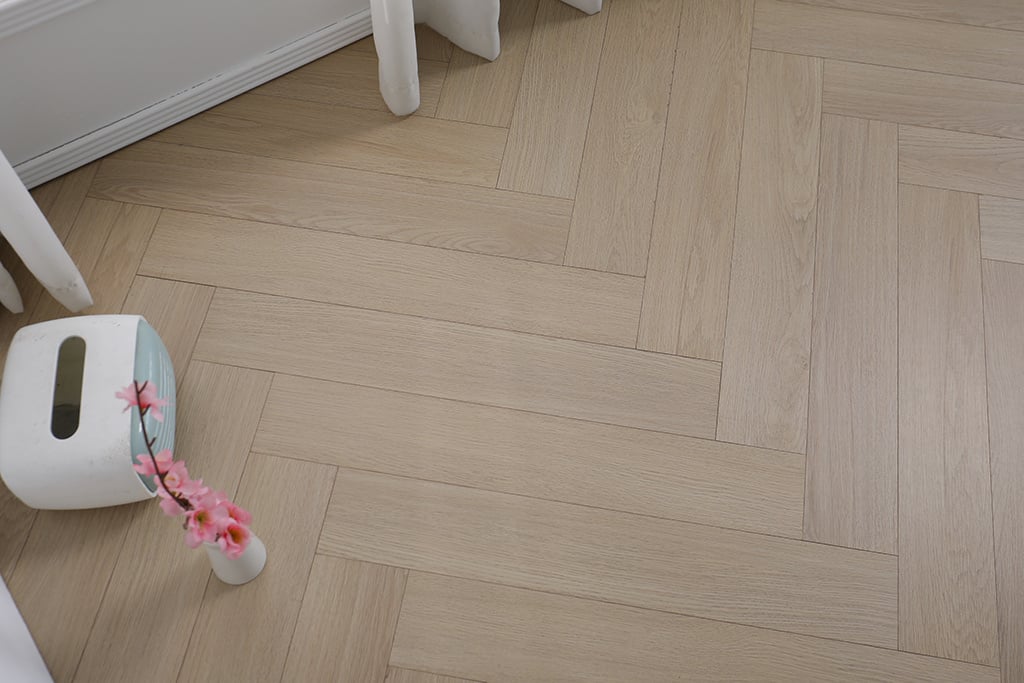
Hotel renovation projects demand materials that balance aesthetics, durability, and cost-efficiency. The wpc wall panel has emerged as a transformative solution that addresses all three requirements simultaneously. Property managers and design teams across the hospitality sector are discovering that the wpc wall panel offers exceptional performance characteristics that traditional materials simply cannot match. Understanding why the wpc wall panel has become the material of choice for modern hotel renovations requires examining the specific operational and financial pressures that hospitality businesses face today.
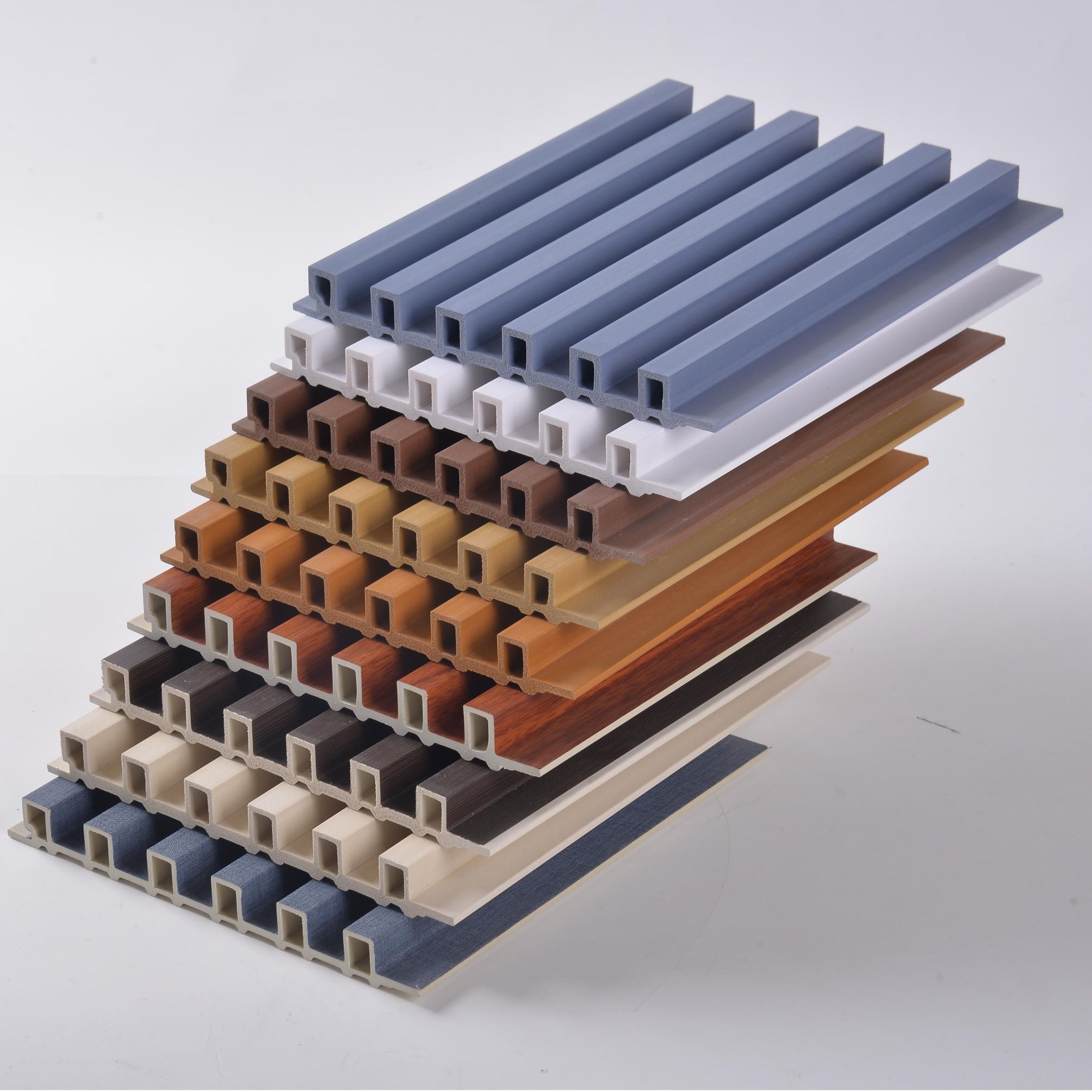
Hotels operate in an intensely competitive environment where guest experience directly influences booking rates and customer loyalty. Every renovation decision impacts not only immediate aesthetics but also long-term operational costs and maintenance requirements. The wpc wall panel delivers on both fronts, providing a sophisticated appearance while reducing the burden of ongoing upkeep. This dual advantage explains why the wpc wall panel has rapidly gained adoption in hotel corridors, guest rooms, lobby areas, and commercial spaces throughout the industry.
Exceptional Durability Meets Guest Experience
Performance Under High Traffic Demands
Hotel environments expose wall materials to constant physical stress that far exceeds typical residential conditions. Guests, housekeeping staff, maintenance crews, and equipment traffic create continuous contact pressure against walls. The wpc wall panel is engineered to withstand this intensity without visible degradation or surface damage. Unlike traditional drywall or wooden paneling, the wpc wall panel resists impacts, moisture infiltration, and surface wear that would necessitate frequent repairs. This resilience directly translates to lower maintenance budgets and extended intervals between renovation cycles.
Moisture and Humidity Resistance
Bathrooms, kitchens, laundry facilities, and spa areas within hotels present moisture challenges that destroy conventional wall materials within years. The wpc wall panel contains engineered wood-plastic composite materials that do not absorb water or swell when exposed to humid conditions. This moisture resistance prevents mold growth, structural deterioration, and the aesthetic decline that plagued traditional materials. Property managers report that the wpc wall panel maintains its appearance and structural integrity in these demanding wet environments, eliminating costly water damage remediation and improving guest safety. The wpc wall panel investment pays dividends in reduced emergency repairs and liability concerns.
Design Flexibility and Aesthetic Sophistication
Contemporary Visual Appeal
Modern hotel guests expect interiors that reflect current design trends while conveying quality and sophistication. The wpc wall panel offers contemporary styling that elevates spaces without requiring custom fabrication or premium pricing. Available in multiple finishes, textures, and color profiles, the wpc wall panel allows designers to create cohesive visual narratives throughout properties. Whether implementing minimalist Scandinavian aesthetics or warm, inviting commercial spaces, the wpc wall panel adapts to specific brand identities and market positioning. This design versatility explains why the wpc wall panel appeals to boutique hotels, luxury chains, and budget-conscious operators seeking visual differentiation.
Installation Flexibility and Customization
Renovation timelines in hospitality settings are notoriously compressed, with projects scheduled during off-season periods to minimize revenue loss. The wpc wall panel installation process is significantly faster than traditional paneling methods, reducing project duration and associated labor costs. Installers can apply the wpc wall panel over existing surfaces in many situations, eliminating costly substrate removal and reconstruction. This installation efficiency becomes particularly valuable in occupied properties where minimizing disruption to guest operations is critical. The wpc wall panel can be custom-cut and shaped to accommodate architectural features, creating seamless transitions and professional finishes that distinguish renovated spaces.
Economic Advantages and Long-Term Value
Reduced Lifecycle Costs
Financial analysis of renovation materials must extend beyond initial purchase price to encompass the complete ownership cost across 10 to 20 year cycles. The wpc wall panel demonstrates superior economics when evaluated on this lifecycle basis. Initial material costs for the wpc wall panel are competitive with premium traditional materials, but maintenance requirements are substantially lower. Paint touch-ups, repairs from impact damage, mold remediation, and structural reinforcement represent significant expenses with conventional materials. The wpc wall panel virtually eliminates these recurring expenses, creating cumulative savings that justify the material investment within the first renovation cycle. Many hotel operators report that the wpc wall panel reduces annual maintenance budgets by 30 to 40 percent compared to previous material selections.
Operational Efficiency and Staff Productivity
Housekeeping and maintenance teams spend considerable time managing wall-related issues in conventional hotels. Water stains, scuffs, dents, and deterioration require constant attention and inventory management for touch-up materials. The wpc wall panel dramatically simplifies wall maintenance procedures, requiring only routine cleaning with standard hospitality-grade solutions. Staff can dedicate more hours to guest-facing activities rather than wall repair and restoration tasks. This operational streamlining improves employee satisfaction and allows property managers to maintain higher cleanliness and aesthetic standards without expanding maintenance team sizes. The wpc wall panel becomes an enabler of operational excellence that amplifies team productivity beyond the material itself.
Installation and Implementation Considerations
Professional Installation Requirements
While the wpc wall panel offers straightforward installation compared to some alternative materials, professional execution remains essential for optimal results. Proper substrate preparation, accurate measurements, and correct application techniques ensure that the wpc wall panel performs as designed. Hotels should engage installation contractors with documented experience in wpc wall panel projects, particularly in hospitality environments. Quality installation protects the investment, ensures aesthetic excellence, and prevents premature maintenance issues that could undermine the material's advantages. The wpc wall panel installation cost represents a small fraction of total project investment and should not be compromised through inexperienced labor.
Project Planning and Timeline Management
Successful hotel renovation projects utilizing the wpc wall panel require careful sequencing and coordination among design, procurement, and construction teams. Property managers should establish clear specifications and performance expectations for the wpc wall panel before contractors begin ordering materials. This planning discipline prevents installation delays, material waste, and quality issues that could extend project timelines. The wpc wall panel delivery requirements, storage conditions, and installation sequencing should be documented in project management protocols. Hotels with multiple properties can standardize on the wpc wall panel across their portfolios, creating procurement efficiencies and consistent brand aesthetics that enhance guest recognition and loyalty.
FAQ
Can wpc wall panel be installed in all hotel areas?
Yes, the wpc wall panel performs effectively in virtually all hotel interior spaces, including guest rooms, bathrooms, corridors, lobbies, kitchens, and commercial areas. The wpc wall panel moisture resistance makes it particularly valuable in wet environments where traditional materials deteriorate. Designers should consult with manufacturers regarding specific application requirements for specialized areas like steam rooms or commercial kitchens with extreme heat exposure, though the wpc wall panel handles most standard hospitality conditions exceptionally well.
How long does a wpc wall panel installation typically require?
The wpc wall panel installation timeline depends on project scope, room quantities, and substrate conditions, but experienced crews typically complete standard hotel room installations in 5 to 8 hours per room. Large-scale projects benefit from the wpc wall panel's relatively fast installation compared to tile, traditional paneling, or custom woodwork. Project planning should allocate time for substrate preparation and finishing details, but the wpc wall panel generally enables faster project completion than alternative premium materials.
What maintenance does wpc wall panel require after installation?
The wpc wall panel requires minimal maintenance beyond standard cleaning with gentle detergents and soft cloths. Unlike traditional painted drywall, the wpc wall panel does not require periodic repainting or touch-up applications. Routine cleaning once or twice weekly maintains the wpc wall panel appearance, and the material resists staining, marking, and damage that would require remediation with conventional materials. This simplicity represents one of the primary economic advantages of choosing the wpc wall panel for hospitality applications.