 EN
EN


Modern homeowners and commercial property developers continually seek flooring solutions that balance aesthetic appeal, durability, and comfort. SPC flooring has emerged as a revolutionary option that transforms interior spaces while addressing the practical demands of contemporary living. This innovative flooring technology combines stone polymer composite materials with advanced manufacturing techniques to deliver exceptional performance across residential and commercial applications. The growing popularity of SPC flooring reflects its ability to meet diverse design requirements while providing long-term value and comfort for occupants.
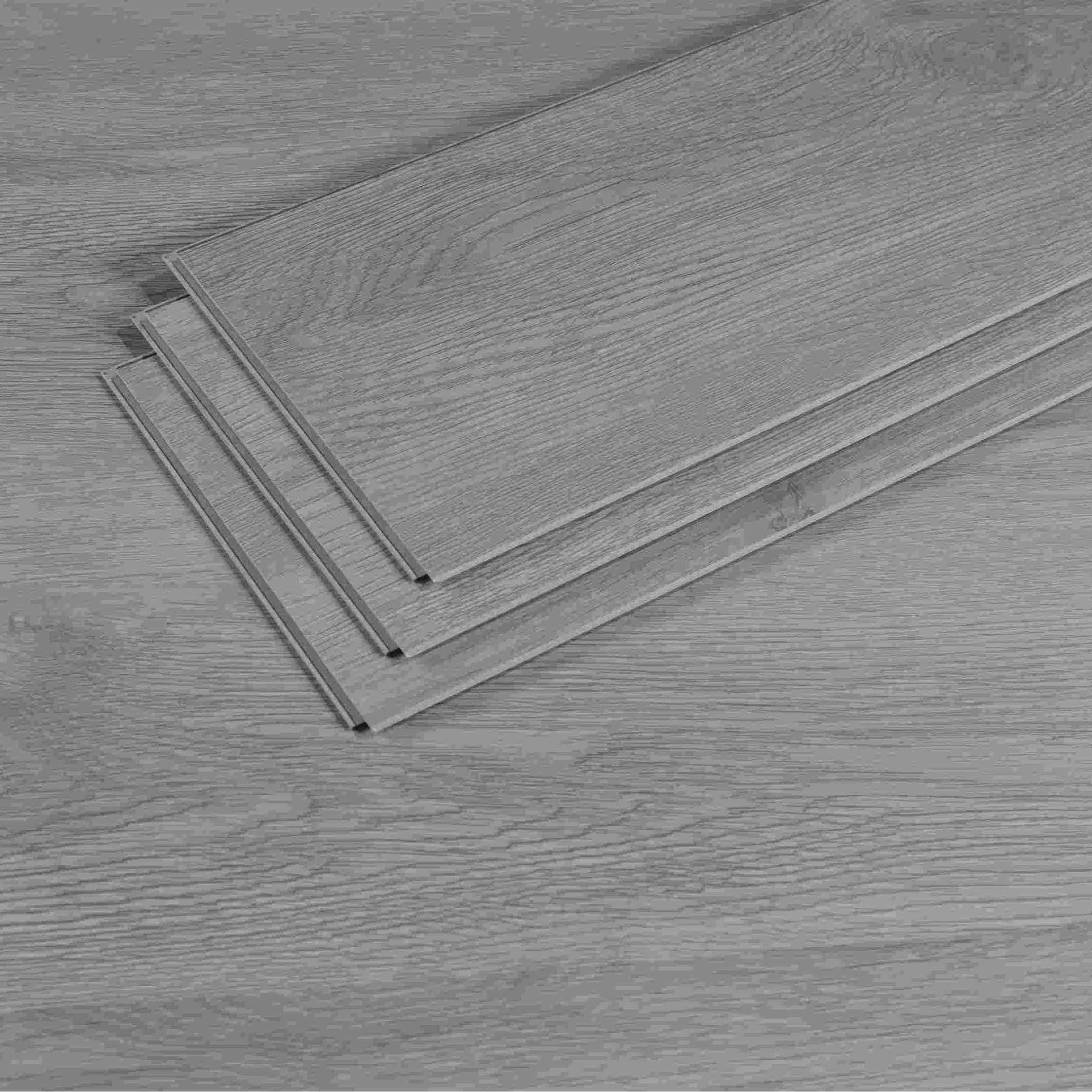
Understanding SPC Flooring Technology and Composition
Stone Polymer Composite Structure
SPC flooring consists of multiple layers engineered to provide superior stability and performance compared to traditional flooring materials. The core layer contains a mixture of limestone powder, polyvinyl chloride, and stabilizers that create a rigid, waterproof foundation. This stone polymer composite structure ensures dimensional stability across varying temperature and humidity conditions, making SPC flooring suitable for challenging environments where conventional materials might fail.
The manufacturing process involves high-temperature pressing and precision calibration to achieve consistent thickness and density throughout each plank. Advanced polymer chemistry creates molecular bonds that resist expansion, contraction, and warping over extended periods. This technological foundation enables SPC flooring to maintain its original dimensions and appearance even in areas subject to moisture fluctuations or heavy foot traffic.
Layer Configuration and Benefits
Each SPC flooring plank features a sophisticated layered construction designed to optimize specific performance characteristics. The wear layer provides scratch resistance and surface protection, while the decorative film delivers realistic wood, stone, or tile appearances. Beneath these surface components, the rigid core maintains structural integrity and prevents telegraphing of subfloor irregularities.
The bottom layer typically includes an attached underlayment or backing material that enhances sound absorption and thermal comfort. This integrated approach eliminates the need for separate underlayment installation while providing consistent performance across the entire floor surface. The precise engineering of each layer contributes to the overall durability and comfort that characterizes quality SPC flooring installations.
Style Enhancement Capabilities of SPC Flooring
Design Versatility and Aesthetic Options
Contemporary SPC flooring collections offer extensive design possibilities that complement diverse interior design themes and architectural styles. High-definition printing technology reproduces natural wood grains, stone textures, and artistic patterns with remarkable accuracy and depth. Design teams can select from hundreds of color variations, surface treatments, and plank sizes to achieve specific aesthetic objectives.
The photographic quality of modern SPC flooring surfaces rivals natural materials while providing consistent appearance across large installations. Advanced embossing techniques create tactile textures that enhance visual realism and add sensory dimension to interior spaces. This design flexibility enables architects and designers to specify SPC flooring for projects ranging from rustic farmhouse aesthetics to contemporary minimalist environments.
Visual Impact and Space Enhancement
Strategic selection and installation of SPC flooring can dramatically influence spatial perception and interior ambiance. Lighter colors and wider planks tend to create an impression of expanded space, while darker tones and varied plank widths add visual interest and definition. The consistent surface quality of SPC flooring eliminates the natural variations found in traditional materials that might disrupt design continuity.
Installation patterns such as diagonal, herringbone, or mixed-width layouts enable creative expression while maintaining the practical benefits of SPC flooring technology. The precise manufacturing tolerances ensure tight joints and uniform appearance regardless of installation complexity. These design capabilities allow SPC flooring to serve as either a neutral foundation or a distinctive design element within comprehensive interior schemes.
Comfort Advantages and Performance Benefits
Thermal Comfort and Temperature Regulation
SPC flooring provides excellent thermal comfort through its dense core construction and optional underlayment integration. The stone polymer composite material maintains stable surface temperatures and responds gradually to environmental changes, creating comfortable walking surfaces throughout seasonal variations. This thermal stability reduces the cold sensation often associated with ceramic tile or concrete floors.
Compatibility with radiant heating systems makes SPC flooring an excellent choice for enhanced comfort in colder climates. The efficient heat transfer properties of the rigid core ensure uniform temperature distribution without compromising structural integrity. Property owners appreciate the reduced heating costs and improved comfort levels achieved through strategic SPC flooring installation over radiant systems.
Acoustic Performance and Sound Management
The dense composition of SPC flooring naturally provides sound dampening properties that contribute to quieter interior environments. Integrated underlayment systems further enhance acoustic performance by absorbing impact noise and reducing sound transmission between floors. This acoustic control becomes particularly valuable in multi-story residential buildings and commercial spaces where noise management affects occupant comfort.
Professional installation techniques and proper subfloor preparation maximize the sound-absorbing capabilities of SPC flooring systems. The rigid core construction prevents the hollow sounds sometimes associated with floating floor installations, while maintaining the flexibility needed for thermal expansion. These acoustic benefits make SPC flooring suitable for bedroom applications, offices, and other spaces where sound control enhances occupant satisfaction.
Installation Advantages and Long-term Value
Installation Efficiency and Subfloor Compatibility
SPC flooring installation typically requires less time and preparation compared to traditional flooring materials, reducing project costs and minimizing disruption to occupied spaces. The click-lock joining systems enable floating installation over most existing subfloors without extensive surface preparation or adhesive application. This installation flexibility makes SPC flooring practical for renovation projects where minimal downtime is essential.
The dimensional stability of SPC flooring allows installation over concrete, wood, and ceramic tile subfloors without concerns about telegraphing or moisture transmission. Professional installers appreciate the consistent plank dimensions and reliable joining mechanisms that ensure efficient project completion. The ability to install SPC flooring immediately after delivery eliminates acclimation requirements and accelerates project timelines.
Maintenance Requirements and Durability
Long-term maintenance of SPC flooring involves simple cleaning procedures that preserve appearance and performance without specialized equipment or chemicals. Regular sweeping and occasional damp mopping with pH-neutral cleaners maintain surface cleanliness and protect the wear layer. The waterproof construction eliminates concerns about moisture damage from spills or cleaning procedures.
The scratch-resistant wear layer withstands normal foot traffic, furniture movement, and pet activity without showing signs of wear that plague softer flooring materials. Quality SPC flooring installations maintain their original appearance for decades with proper care, providing exceptional value compared to materials requiring periodic refinishing or replacement. This durability makes SPC flooring particularly attractive for commercial applications and high-traffic residential areas.
Commercial Applications and Market Trends
Retail and Hospitality Environments
Commercial designers increasingly specify SPC flooring for retail stores, restaurants, and hospitality venues where appearance, durability, and maintenance efficiency directly impact operational success. The slip-resistant surface treatments available with SPC flooring enhance safety in food service areas while maintaining attractive appearances that support brand image objectives. Waterproof construction prevents damage from spills and simplifies cleaning procedures in high-volume environments.
The design flexibility of SPC flooring enables retailers to create distinctive brand experiences through custom colors, patterns, and textures that differentiate their spaces from competitors. Installation efficiency minimizes business disruption during renovations, while long-term durability reduces lifecycle costs compared to carpet or traditional hard surfaces. These operational advantages explain the growing adoption of SPC flooring across diverse commercial market segments.
Healthcare and Educational Facilities
Healthcare administrators select SPC flooring for its antimicrobial properties, easy maintenance, and comfort benefits that support patient recovery and staff productivity. The seamless installation and waterproof construction prevent bacterial growth and facilitate thorough disinfection procedures required in medical environments. Sound absorption properties contribute to healing environments by reducing noise levels that might disturb patients.
Educational facilities benefit from the durability and design flexibility of SPC flooring in classrooms, corridors, and common areas subjected to intensive daily use. The scratch and stain resistance maintains attractive appearances despite exposure to art supplies, food service, and diverse activities throughout academic years. Budget administrators appreciate the reduced maintenance costs and extended replacement cycles that make SPC flooring financially attractive for institutional applications.
FAQ
How does SPC flooring compare to laminate flooring in terms of water resistance
SPC flooring offers superior water resistance compared to traditional laminate flooring due to its waterproof stone polymer composite core construction. While laminate flooring typically uses wood-fiber cores that can swell when exposed to moisture, SPC flooring maintains dimensional stability even with prolonged water exposure. This waterproof characteristic makes SPC flooring suitable for bathrooms, kitchens, and basements where laminate might fail over time.
Can SPC flooring be installed over existing tile or hardwood floors
SPC flooring can be successfully installed over most existing floor surfaces including ceramic tile, hardwood, and vinyl flooring, provided the substrate is level, clean, and structurally sound. The rigid core construction prevents telegraphing of minor subfloor imperfections while the floating installation method eliminates the need for adhesive bonding to existing surfaces. Professional assessment ensures proper preparation and installation techniques for optimal long-term performance.
What thickness options are available for residential SPC flooring installations
Residential SPC flooring typically ranges from 3.5mm to 8mm in total thickness, with thicker options providing enhanced comfort, sound absorption, and premium feel underfoot. The core thickness directly influences stability and performance, with 4mm to 6mm cores suitable for most residential applications. Thicker SPC flooring options offer improved sound dampening and thermal comfort, making them ideal for upper-level installations and areas where acoustic control is important.
How long does professional SPC flooring installation typically require for an average room
Professional SPC flooring installation typically requires one to two days for average-sized rooms, depending on space configuration, existing floor removal requirements, and subfloor preparation needs. The click-lock installation system enables efficient progress with experienced installers completing 500 to 800 square feet per day under normal conditions. Complex layouts, custom cuts, and detailed trim work may extend installation timeframes, but the overall process remains faster than traditional hardwood or tile installation methods.
Table of Contents
- Understanding SPC Flooring Technology and Composition
- Style Enhancement Capabilities of SPC Flooring
- Comfort Advantages and Performance Benefits
- Installation Advantages and Long-term Value
- Commercial Applications and Market Trends
-
FAQ
- How does SPC flooring compare to laminate flooring in terms of water resistance
- Can SPC flooring be installed over existing tile or hardwood floors
- What thickness options are available for residential SPC flooring installations
- How long does professional SPC flooring installation typically require for an average room