 EN
EN

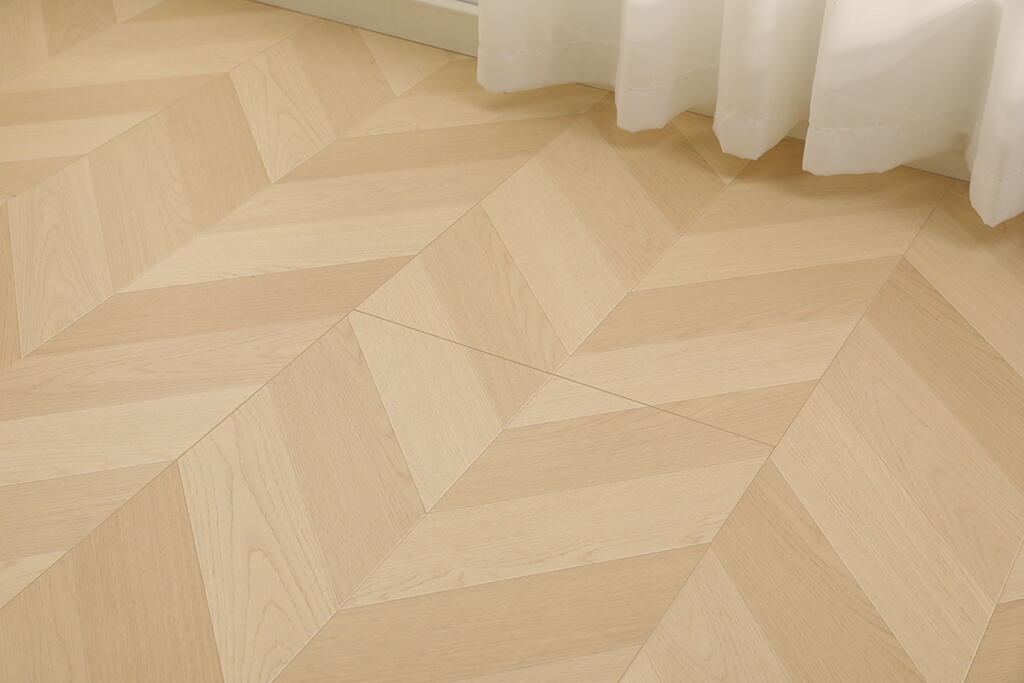
SPC flooring has revolutionized the modern flooring industry by combining superior durability with aesthetic appeal and practical functionality. This innovative flooring solution offers homeowners and commercial property managers an exceptional alternative to traditional materials like hardwood, laminate, and ceramic tiles. The unique composition and manufacturing process of SPC flooring create a product that addresses many common flooring challenges while delivering long-lasting performance in diverse environments.
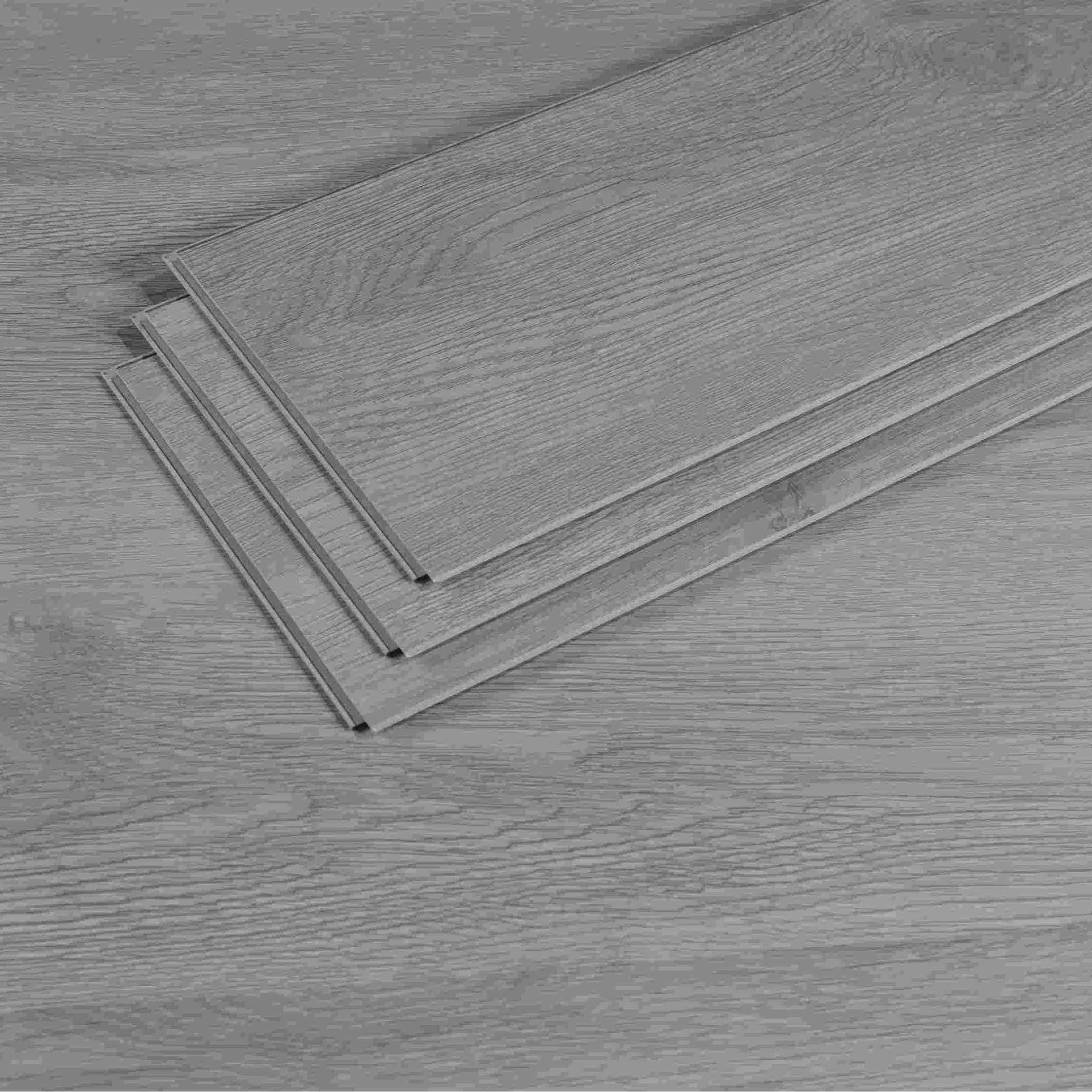
The growing popularity of SPC flooring stems from its remarkable ability to withstand heavy foot traffic, moisture exposure, and temperature fluctuations without compromising visual appeal. Property owners increasingly recognize the value proposition that SPC flooring presents, particularly when considering long-term maintenance costs and replacement frequency. Understanding the comprehensive benefits of this flooring technology helps consumers make informed decisions that align with their specific needs and budget considerations.
Superior Durability and Longevity
Exceptional Wear Resistance
The core strength of SPC flooring lies in its stone-plastic composite construction, which creates an incredibly durable surface capable of withstanding decades of use. The rigid core structure distributes weight evenly across the flooring system, preventing indentations from heavy furniture and equipment that commonly affect softer flooring materials. This wear resistance translates into significant cost savings over time, as property owners avoid frequent repairs and premature replacement cycles.
Commercial applications particularly benefit from the exceptional durability of SPC flooring, as high-traffic areas maintain their appearance and structural integrity even under constant use. The wear layer technology incorporated into SPC flooring provides additional protection against scratches, scuffs, and surface damage that can occur in busy environments. This durability factor makes SPC flooring an ideal choice for retail spaces, offices, hospitals, and educational facilities where flooring performance directly impacts operational efficiency.
Impact and Indentation Resistance
The dense core composition of SPC flooring creates exceptional resistance to impact damage and permanent indentations that plague many traditional flooring options. Heavy objects dropped on SPC flooring surfaces typically cause minimal or no visible damage, unlike softer materials that can develop permanent marks and depressions. This characteristic proves invaluable in environments where equipment movement and furniture rearrangement occur regularly.
Property managers appreciate how SPC flooring maintains its original appearance despite exposure to rolling carts, heavy machinery, and frequent furniture movement. The structural integrity remains intact even when subjected to concentrated loads, ensuring that the flooring system continues to perform optimally throughout its service life. This resistance to permanent damage reduces maintenance requirements and helps preserve the investment value of the flooring installation.
Water and Moisture Resistance
Complete Waterproof Protection
One of the most significant advantages of SPC flooring is its complete waterproof construction, which eliminates concerns about moisture damage that commonly affect wood-based flooring products. The stone-plastic composite core contains no organic materials that can absorb water, swell, or deteriorate when exposed to moisture. This waterproof characteristic makes SPC flooring suitable for installation in previously challenging areas such as basements, bathrooms, kitchens, and laundry rooms.
The waterproof nature of SPC flooring extends beyond surface protection to include the core structure and backing materials, creating a comprehensive moisture barrier. Spills, flooding, and high humidity conditions pose no threat to the structural integrity or appearance of SPC flooring systems. Property owners can install SPC flooring with confidence in moisture-prone areas without worrying about warping, cupping, or mold development that can occur with traditional flooring materials.
Easy Cleanup and Maintenance
The moisture-resistant properties of SPC flooring simplify cleaning and maintenance procedures while reducing long-term care costs. Liquid spills can be quickly wiped away without penetrating the flooring surface or causing staining, unlike porous materials that require immediate attention to prevent permanent damage. This ease of cleanup proves particularly valuable in food service areas, healthcare facilities, and residential kitchens where spills occur frequently.
Regular maintenance of SPC flooring requires only basic cleaning supplies and techniques, eliminating the need for specialized treatments or refinishing procedures. The non-porous surface resists staining from common household and commercial substances, maintaining its original appearance with minimal effort. This low-maintenance characteristic reduces ongoing care costs and makes SPC flooring an attractive option for busy property owners who value convenience and efficiency.
Installation Flexibility and Convenience
Click-Lock Installation System
The innovative click-lock installation system employed by most SPC flooring products enables rapid and precise installation without requiring specialized tools or adhesives. This floating floor system allows individual planks to connect securely while maintaining the flexibility to expand and contract with temperature changes. Professional installers can complete SPC flooring projects more efficiently than traditional flooring systems, reducing labor costs and project timelines.
The precision-engineered locking mechanisms ensure tight seams between planks while allowing for easy removal and replacement of individual pieces if necessary. This installation flexibility proves valuable during renovations or when access to subfloor areas is required for maintenance purposes. The click-lock system also accommodates minor subfloor imperfections better than rigid installation methods, reducing preparation requirements and associated costs.
Subfloor Compatibility
SPC flooring demonstrates exceptional compatibility with various subfloor types, including concrete, plywood, existing tile, and even some existing flooring materials. This versatility eliminates the need for costly subfloor removal or extensive preparation work in many installation scenarios. The rigid core construction of SPC flooring helps bridge minor imperfections in the subfloor while providing a stable and level finished surface.
Installation over radiant heating systems presents no challenges for SPC flooring, as the material maintains dimensional stability across a wide temperature range. This compatibility with underfloor heating systems expands the application possibilities for SPC flooring in climate-controlled environments. The thermal conductivity properties of SPC flooring allow efficient heat transfer while maintaining structural integrity and appearance over time.
Aesthetic Versatility and Design Options
Realistic Surface Textures
Advanced manufacturing techniques enable SPC flooring to replicate the authentic textures and grain patterns of natural wood species with remarkable accuracy. The embossing and texturing processes create tactile surfaces that closely mimic the feel of genuine hardwood, stone, and other natural materials. This realistic appearance allows property owners to achieve their desired aesthetic vision without the maintenance challenges associated with natural materials.
The variety of surface textures available in SPC flooring collections ranges from smooth contemporary finishes to heavily distressed rustic appearances. Each texture option provides unique visual and tactile characteristics that complement different design themes and architectural styles. This diversity enables designers and property owners to select SPC flooring options that seamlessly integrate with existing décor elements and furniture selections.
Color and Pattern Diversity
The extensive range of colors and patterns available in SPC flooring collections accommodates virtually any design preference or style requirement. From light Scandinavian oak tones to rich espresso finishes, the color options span the full spectrum of natural wood variations. Stone and tile patterns offer additional design possibilities for properties seeking contemporary or traditional ceramic appearances without the associated maintenance requirements.
Pattern variations within SPC flooring collections include different plank widths, lengths, and edge treatments that create unique installation layouts. These pattern options enable creative floor designs that add visual interest and architectural character to residential and commercial spaces. The ability to mix and match compatible patterns within the same product line provides additional design flexibility for complex or custom installations.
Environmental and Health Benefits
Low VOC Emissions
SPC flooring products typically exhibit low volatile organic compound emissions, contributing to improved indoor air quality compared to many traditional flooring materials. The manufacturing process and material composition minimize the release of harmful chemicals into the indoor environment, making SPC flooring suitable for sensitive applications such as healthcare facilities and schools. This environmental consideration aligns with growing awareness of indoor air quality impacts on occupant health and comfort.
Third-party certifications for indoor air quality validate the low-emission characteristics of quality SPC flooring products, providing assurance to environmentally conscious consumers. These certifications demonstrate compliance with strict standards for indoor air quality and chemical emissions. Property owners can specify certified SPC flooring products to meet green building requirements and contribute to healthier indoor environments.
Recyclable Materials and Sustainable Production
Many SPC flooring manufacturers incorporate recycled materials into their production processes while maintaining high performance standards. The stone-plastic composite construction utilizes recycled limestone and plastic components, reducing the demand for virgin materials and supporting circular economy principles. This sustainable approach to material sourcing appeals to environmentally conscious consumers who prioritize responsible consumption choices.
At the end of its service life, SPC flooring can often be recycled into new flooring products or other plastic applications, reducing landfill waste. The durability and longevity of SPC flooring also contribute to environmental sustainability by extending replacement cycles and reducing resource consumption over time. These environmental benefits position SPC flooring as a responsible choice for property owners seeking to minimize their environmental impact while maintaining high-performance flooring systems.
Cost-Effectiveness and Value
Competitive Initial Investment
The initial cost of SPC flooring typically falls within a competitive range compared to other premium flooring options while offering superior long-term value. When compared to hardwood, ceramic tile, or stone flooring, SPC flooring provides similar aesthetic appeal at a fraction of the cost, including both material and installation expenses. This cost advantage makes high-quality flooring accessible to a broader range of property owners and project budgets.
Installation cost savings further enhance the overall value proposition of SPC flooring, as the efficient installation process reduces labor requirements and project timelines. The elimination of subfloor preparation needs and the compatibility with existing surfaces can result in significant cost reductions compared to traditional flooring installations. These factors combine to create an attractive return on investment for both residential and commercial applications.
Long-Term Maintenance Savings
The minimal maintenance requirements of SPC flooring translate into substantial long-term cost savings compared to traditional flooring materials that require regular refinishing, sealing, or replacement. The durable wear layer and waterproof construction eliminate the need for protective treatments and reduce the frequency of deep cleaning procedures. Property managers can allocate maintenance budgets more efficiently when SPC flooring reduces ongoing care requirements.
The extended service life of SPC flooring systems delays replacement costs while maintaining attractive appearance and performance characteristics throughout their lifespan. This longevity factor provides predictable lifecycle costs that support long-term budgeting and asset management strategies. Commercial property owners particularly benefit from the reduced disruption and replacement costs associated with durable SPC flooring installations.
FAQ
How long does SPC flooring typically last in residential applications
SPC flooring can last 20 to 30 years or more in residential applications with proper care and maintenance. The durable wear layer and rigid core construction resist normal household wear patterns while maintaining their appearance over extended periods. Factors such as foot traffic levels, maintenance practices, and environmental conditions influence the actual service life, but most quality SPC flooring products come with warranties ranging from 15 to 25 years for residential use.
Can SPC flooring be installed over existing flooring materials
Yes, SPC flooring can often be installed directly over existing flooring materials including ceramic tile, vinyl, and some laminate products, provided the surface is level, clean, and structurally sound. This capability eliminates removal costs and reduces installation time significantly. However, carpet and loose-lay flooring typically require removal before SPC flooring installation to ensure proper performance and stability.
Does SPC flooring require expansion gaps during installation
SPC flooring requires minimal expansion gaps compared to traditional floating floors due to its dimensional stability and low thermal expansion characteristics. Most installations require only a quarter-inch gap around the perimeter, which can be easily concealed with standard baseboards and transition strips. The stable nature of SPC flooring reduces concerns about seasonal expansion and contraction that affect other flooring types.
Is SPC flooring suitable for commercial high-traffic environments
SPC flooring performs exceptionally well in commercial high-traffic environments when appropriate wear layer thickness is selected for the specific application. Commercial-grade SPC flooring products feature enhanced wear layers and may include additional protective treatments to withstand heavy foot traffic, rolling loads, and frequent cleaning. Many manufacturers offer commercial warranties and performance ratings that help specify the right product for specific traffic and use requirements.