 EN
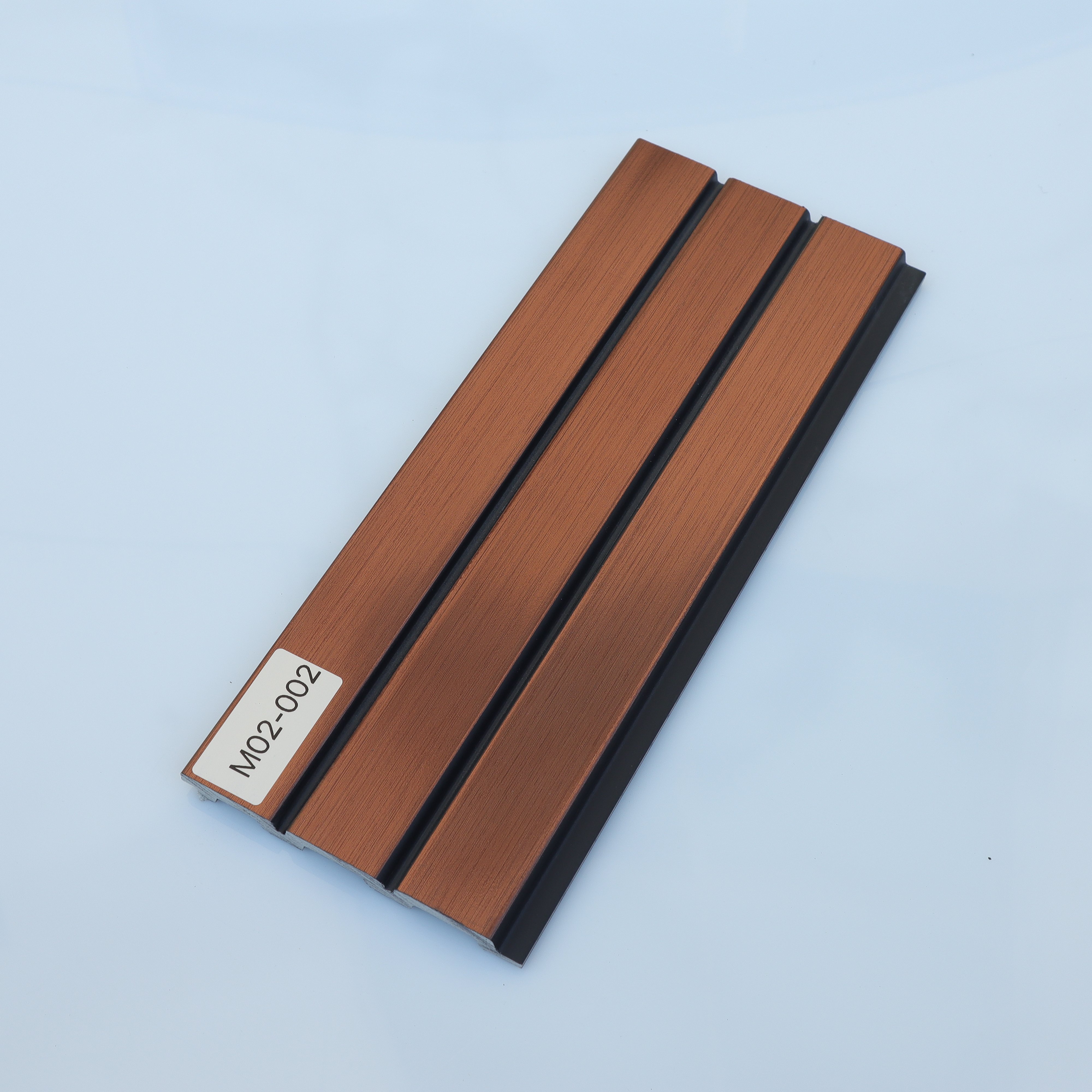
Modern offices face an ongoing challenge: excessive noise that disrupts concentration, reduces productivity, and creates uncomfortable work environments. Whether from open-plan layouts, street traffic, or neighboring conference rooms, unwanted sound has become a significant workplace issue. Wall panel products offer a practical, aesthetically flexible solution that directly addresses this challenge. A well-designed wall panel absorbs sound energy, reduces echo, and creates acoustically balanced spaces where employees can focus effectively. Understanding how wall panel systems work and their specific benefits helps office managers and facility planners make informed decisions about acoustic improvement investments.
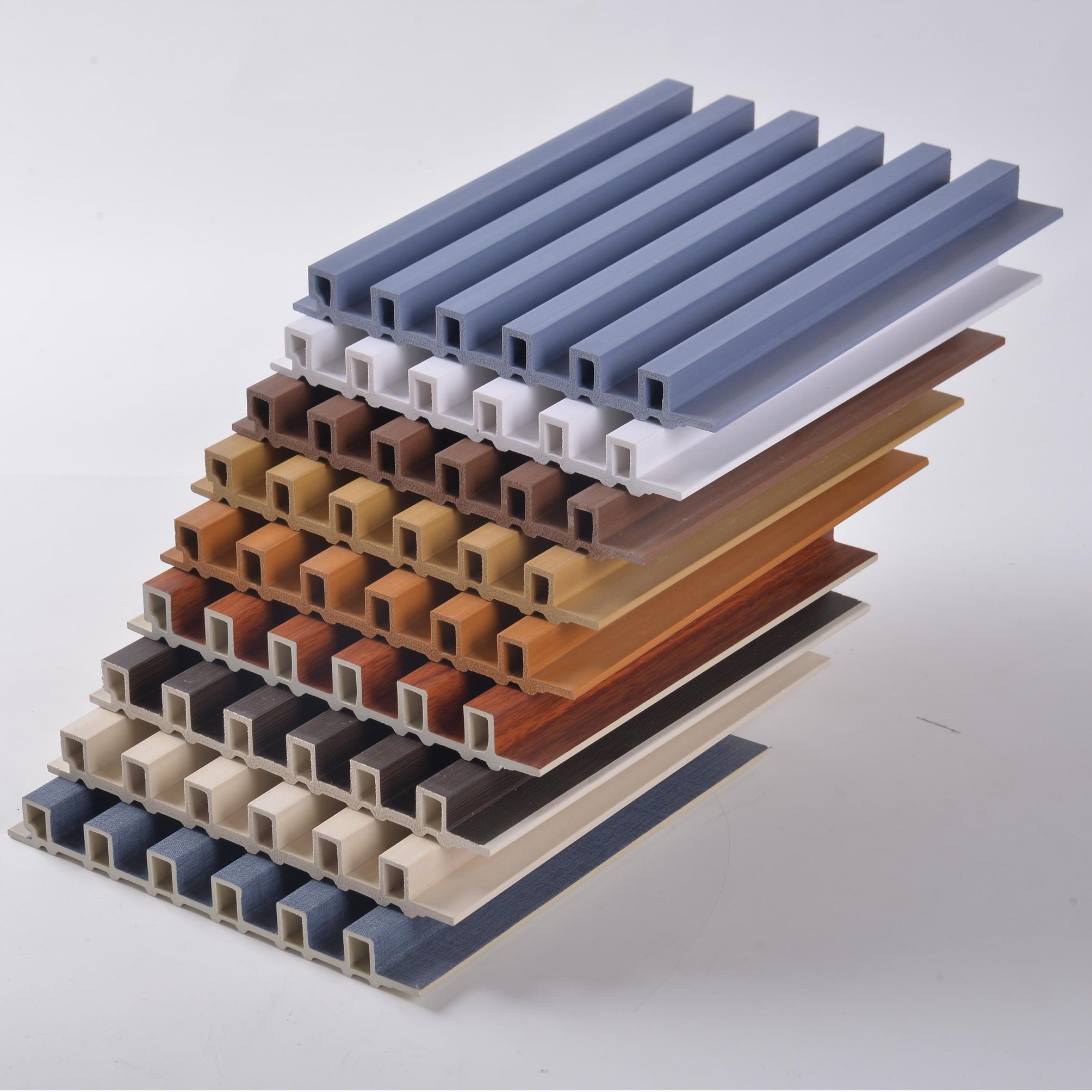
The effectiveness of wall panel products lies in their material composition and installation approach. Unlike hard, reflective surfaces that bounce sound around a room, a quality wall panel absorbs acoustic energy through its porous or composite structure. This absorption prevents sound waves from traveling freely, significantly reducing reverberation time and background noise levels. For modern offices seeking to enhance employee comfort and maintain professional communication standards, selecting the right wall panel system becomes crucial to long-term workplace success and operational efficiency.
Sound Absorption Science Behind Wall Panel Systems
How Wall Panel Products Reduce Noise Transmission
A wall panel works by converting sound energy into minimal heat through material friction and internal structure. When sound waves strike a wall panel surface, the material traps and dissipates the energy rather than reflecting it back into the room. The wall panel's density, thickness, and facing material determine its sound absorption coefficient, which measures its effectiveness at different frequencies. Modern wall panel products are engineered to target both low-frequency rumble and high-frequency chatter, making them versatile for diverse office environments.
Acoustic Performance Metrics for Wall Panel Selection
When evaluating wall panel options, understanding acoustic terminology helps identify the best solution for your space. The Noise Reduction Coefficient (NRC) rating indicates how much sound a wall panel absorbs on a scale from zero to one, with higher numbers representing better absorption. A wall panel rated at NRC 0.85 absorbs 85 percent of incident sound, significantly reducing noise reflection. Sound Transmission Class (STC) ratings measure how effectively a wall panel blocks sound from passing through it, a critical factor for offices adjacent to high-noise areas. Selecting a wall panel with ratings matched to your specific noise challenges ensures optimal acoustic improvement and workplace satisfaction.
Strategic Applications of Wall Panel in Modern Office Design
Creating Focused Work Zones with Wall Panel Installation
Open-plan offices require intentional acoustic strategy to maintain productivity and employee wellbeing. Positioning a wall panel strategically around individual workstations or collaborative areas absorbs ambient noise and creates psychological privacy without physical barriers. A wall panel installation in high-traffic corridors reduces noise bleeding into adjacent offices, protecting meeting spaces and quiet zones. Many forward-thinking offices install modular wall panel systems that can be repositioned as space needs evolve, providing both acoustic and design flexibility. This adaptability makes wall panel investments cost-effective over an office's lifecycle.
Conference Rooms and Hybrid Spaces Enhanced by Wall Panel
Conference rooms benefit enormously from dedicated wall panel treatment because improved acoustics directly enhance communication clarity during in-person and virtual meetings. When a wall panel covers strategic wall surfaces, participants hear clearer dialogue with less background interference, and video conference quality improves dramatically. A well-treated wall panel environment reduces the frustration of unclear communication and eliminates the need for excessive volume or repeated explanations. Hybrid meeting spaces particularly benefit from wall panel installation, as reduced room noise improves microphone pickup and speaker performance. Investment in quality wall panel systems pays dividends through improved meeting effectiveness and professional communication standards.
Implementation, Aesthetics, and Business Value of Wall Panel Solutions
Installation Considerations and Design Integration
Installing a wall panel requires minimal disruption compared to other acoustic treatments. Modern wall panel products are lightweight, available in various finishes, and integrate seamlessly into contemporary office design. Whether your wall panel preference is minimalist, branded, or artfully designed, manufacturers offer diverse aesthetic options that support rather than compromise office style. Professional installation ensures a wall panel system functions at optimal performance levels and complies with building code requirements. The flexibility of wall panel solutions allows phased implementation, starting with high-impact areas and expanding as budget allows.
Return on Investment Through Productivity and Employee Satisfaction
The business case for wall panel investment extends beyond acoustic metrics. Research consistently demonstrates that improved sound environments enhance employee focus, reduce stress-related absences, and improve retention rates. A wall panel system in an open office typically delivers measurable productivity gains within weeks as employees experience fewer distractions. Recruitment teams often highlight acoustic quality as a workplace amenity, making a wall panel investment part of competitive employment strategies. Organizations implementing comprehensive wall panel solutions report improved employee satisfaction scores and measurable reductions in noise-related complaints, directly supporting workplace culture and operational success.
FAQ
What noise frequency range does a typical wall panel product address most effectively?
Most wall panel products excel at absorbing mid and high-frequency sounds, including speech and typical office equipment noise. Low-frequency rumble from HVAC systems or traffic requires thicker wall panel systems or specialized bass traps paired with standard wall panel treatment. Selecting a wall panel with balanced absorption across the frequency spectrum ensures comprehensive noise reduction across diverse office sound sources.
Can a wall panel product be combined with other acoustic solutions for enhanced results?
Yes, layering a wall panel with other treatments maximizes acoustic effectiveness. Combining wall panel installation with ceiling absorption, floor dampening materials, and strategic furniture placement creates comprehensive acoustic design. This integrated approach with wall panel as a foundational element delivers superior results compared to any single treatment alone, particularly in challenging open-plan environments.
How does a wall panel product compare to permanent construction solutions like double-wall framing?
While permanent construction provides stronger noise blocking, a wall panel offers superior flexibility, faster installation, and lower cost. A wall panel can be relocated as office layouts change, whereas construction-based solutions are permanent. For most modern offices requiring flexibility and cost efficiency, a wall panel represents an optimal balance between acoustic performance and practical business constraints.