 EN

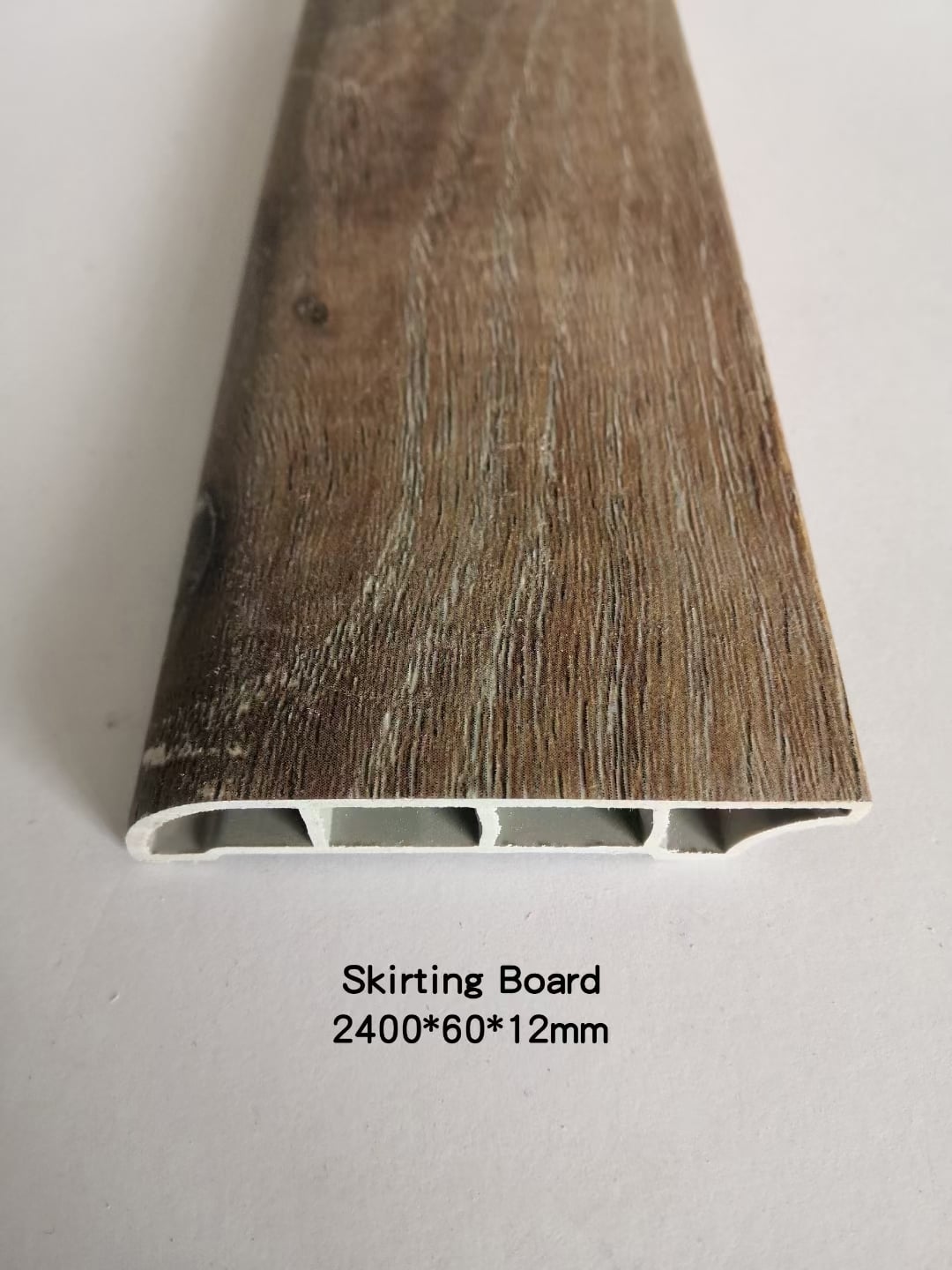
Ordering skirting in bulk is a critical decision for contractors managing large-scale flooring projects. Whether you are installing laminate, vinyl, or engineered wood floors across multiple properties, the skirting you choose affects both the final aesthetic and your project timeline. Before committing to a bulk skirting purchase, contractors must conduct thorough due diligence to avoid costly mistakes, material waste, and installation delays. This guide walks through the essential checks that ensure your skirting order aligns with project specifications, quality standards, and budget requirements.

The consequences of ordering the wrong skirting or failing to verify key details can be significant. Mismatched skirting dimensions, color inconsistencies, or material incompatibilities create rework expenses and project delays. Professional contractors understand that ordering skirting in bulk requires advance verification of multiple technical and commercial factors. Taking time to confirm these details upfront protects your reputation, reduces waste, and ensures client satisfaction upon project completion.
Understanding Skirting Material and Compatibility
Matching Skirting to Floor Type
The first critical check when ordering skirting relates to material compatibility with your floor system. Different flooring types—laminate, vinyl, engineered wood, or SPC—have corresponding skirting profiles and attachment systems. Your skirting must align mechanically and aesthetically with the flooring material you have specified. For example, luxury vinyl plank skirting differs from traditional laminate skirting in profile depth, attachment clips, and finish options. Before ordering skirting in bulk, verify that the skirting product line matches the exact floor material type used in your projects. Check manufacturer documentation to confirm skirting compatibility with your chosen flooring system.
Verifying Surface Finish and Texture
Skirting surface finish plays a major role in the final visual result. Contemporary projects often specify high-gloss skirting, matte skirting, or textured skirting finishes that must coordinate with floor appearance. Before committing to a bulk skirting order, request finish samples that show how the skirting reflects light and blends with adjacent flooring. Lighting conditions in showrooms differ significantly from actual job sites, so always inspect skirting samples under various lighting angles. Color consistency across the skirting production batch is equally important; verify that the supplier guarantees consistent finish quality across the entire skirting shipment. Ordering skirting without confirming finish specifications risks visible inconsistencies that damage client relationships.
Checking Skirting Dimensions and Specifications
Height, Thickness, and Profile Dimensions
Accurate dimensional specifications are foundational to successful skirting installation. Skirting height typically ranges from 60mm to 100mm, but projects may require specific heights based on design standards or architectural requirements. Measure the exact skirting height, thickness, and profile depth required for your projects before ordering skirting in bulk. Mismatch between ordered skirting dimensions and actual job requirements forces material replacement or dangerous workarounds. Verify the skirting profile shape—whether it features a rounded edge, beveled edge, or flat profile—matches your project specifications. Request dimensional diagrams from the supplier showing skirting measurements in millimeters to eliminate confusion. When ordering skirting in significant quantities, even small dimensional errors multiply across hundreds of linear meters.
Length per Piece and Coverage Calculation
Skirting typically ships in standard lengths such as 2.4 meters or 2.6 meters per piece, though some suppliers offer custom lengths. Calculate your total project linear meters and determine how many skirting pieces you need, accounting for waste and corner joints. Order slightly more skirting than calculated to cover waste, cuts, and future repairs. Request confirmation from the supplier about the standard skirting piece length before finalizing your bulk order. Miscalculating skirting coverage forces emergency reorders that disrupt project schedules and increase freight costs. Work backward from your total project linear meters to determine the correct quantity of skirting pieces required. Document the skirting calculation method so you can quickly reorder matching supplies for future projects.
Assessing Supplier Quality and Order Logistics
Supplier Reputation and Product Certification
The reliability of your skirting supplier directly impacts project success. Before ordering skirting in bulk from any vendor, verify their track record for quality consistency, on-time delivery, and responsive customer service. Request references from other contractors who have ordered skirting in bulk from this supplier. Check whether the skirting products carry relevant quality certifications such as moisture resistance ratings, durability standards, or environmental compliance markings. Reputable suppliers maintain transparent communication about skirting material sourcing, production processes, and quality control methods. Request recent batch test reports or certificates demonstrating that the skirting meets specified standards. Ordering skirting from unverified suppliers introduces unnecessary risk; invest time in vetting suppliers before committing to large quantity purchases.
Delivery Timeline and Packaging Verification
Skirting delivery timelines significantly affect project scheduling, particularly for bulk orders requiring weeks to manufacture and ship. Confirm with the supplier the exact delivery date and any potential delays in skirting production before placing your bulk order. Discuss shipping method, packaging standards, and damage protection measures the supplier employs for skirting shipments. Request photos of typical skirting packaging to ensure the material arrives protected from moisture, UV exposure, and physical damage. Verify that the supplier tracks skirting shipments and provides advance notice of arrival. Poor packaging of skirting leads to warping, color fading, or edge damage that forces returns and project delays. Establish clear communication protocols regarding skirting delivery so you can coordinate installation scheduling with confidence. Upon skirting arrival, inspect packaging immediately and document any visible damage before accepting the shipment.
Reviewing Pricing, Minimum Orders, and Payment Terms
Comparing Unit Costs and Volume Discounts
Bulk purchasing of skirting typically offers volume discounts, but pricing structures vary significantly between suppliers. Request detailed pricing quotes for skirting at different order quantities—such as pricing per piece for 100, 500, or 1000 pieces—to understand the discount progression. Compare the per-unit skirting cost against quality specifications and delivery timelines to determine true value. Be cautious of skirting prices that seem unusually low, as cost-cutting may indicate lower quality or inconsistent manufacturing. Negotiate skirting pricing based on your expected annual volume and long-term relationship potential with the supplier. Request written confirmation of skirting unit prices, volume discount tiers, and any price guarantees for future orders. Document all skirting pricing in a spreadsheet to track cost trends and maintain budget accuracy across multiple projects.
Minimum Order Quantities and Payment Conditions
Many suppliers impose minimum order quantities for skirting bulk purchases, which can be substantial for smaller contracting operations. Clarify the minimum skirting order quantity before committing, and discuss whether you can split payment across multiple deliveries if ordering skirting in very large volumes. Understand payment terms—whether the supplier requires full payment upfront, deposit payment before production, or payment upon delivery. Requesting flexible skirting payment terms can improve cash flow management, especially for large bulk orders. Ask about restocking policies in case you must cancel or modify a skirting order after placement. Verify whether the supplier offers refunds or credits for unused skirting if circumstances change. Establish written agreements regarding skirting payment terms and cancellation policies to protect your interests.
FAQ
What skirting dimensions should contractors typically verify before bulk orders?
Contractors must confirm skirting height (typically 60–100mm), thickness, profile shape, and the standard length per piece (usually 2.4–2.6 meters). Calculate total project linear meters and determine the exact skirting quantity needed, including waste allowance. Request detailed dimensional diagrams from the supplier to eliminate confusion. Mismatched skirting dimensions force costly rework, so verification is essential before ordering skirting in bulk.
How can contractors ensure skirting material compatibility with flooring systems?
Different flooring types require corresponding skirting profiles and attachment systems. Request skirting samples that match your specific floor material—whether laminate, vinyl, engineered wood, or SPC. Verify skirting compatibility by consulting manufacturer documentation and testing attachment mechanisms. Incompatible skirting creates installation problems and aesthetic issues, so confirming material alignment before ordering skirting prevents installation failures.
What quality checks should contractors perform on skirting suppliers?
Verify the skirting supplier's reputation through contractor references, check product certifications and quality standards, and request recent batch test reports. Confirm skirting delivery timelines, packaging methods, and damage protection. Assess the supplier's communication responsiveness and ability to handle bulk skirting orders reliably. These quality checks reduce the risk of receiving substandard skirting materials that compromise project outcomes.