 EN
EN

Choosing the right flooring for moisture-prone areas in commercial and residential spaces has become increasingly complex with the evolution of modern flooring technologies. Waterproof vinyl flooring has emerged as a leading solution for environments where traditional materials fail to perform adequately. The debate between waterproof vinyl flooring and laminate options continues to influence purchasing decisions across industries, from healthcare facilities to retail establishments. Understanding the fundamental differences between these materials is crucial for making informed flooring investments that deliver long-term value and performance.
Understanding Waterproof Vinyl Flooring Technology
Core Construction and Materials
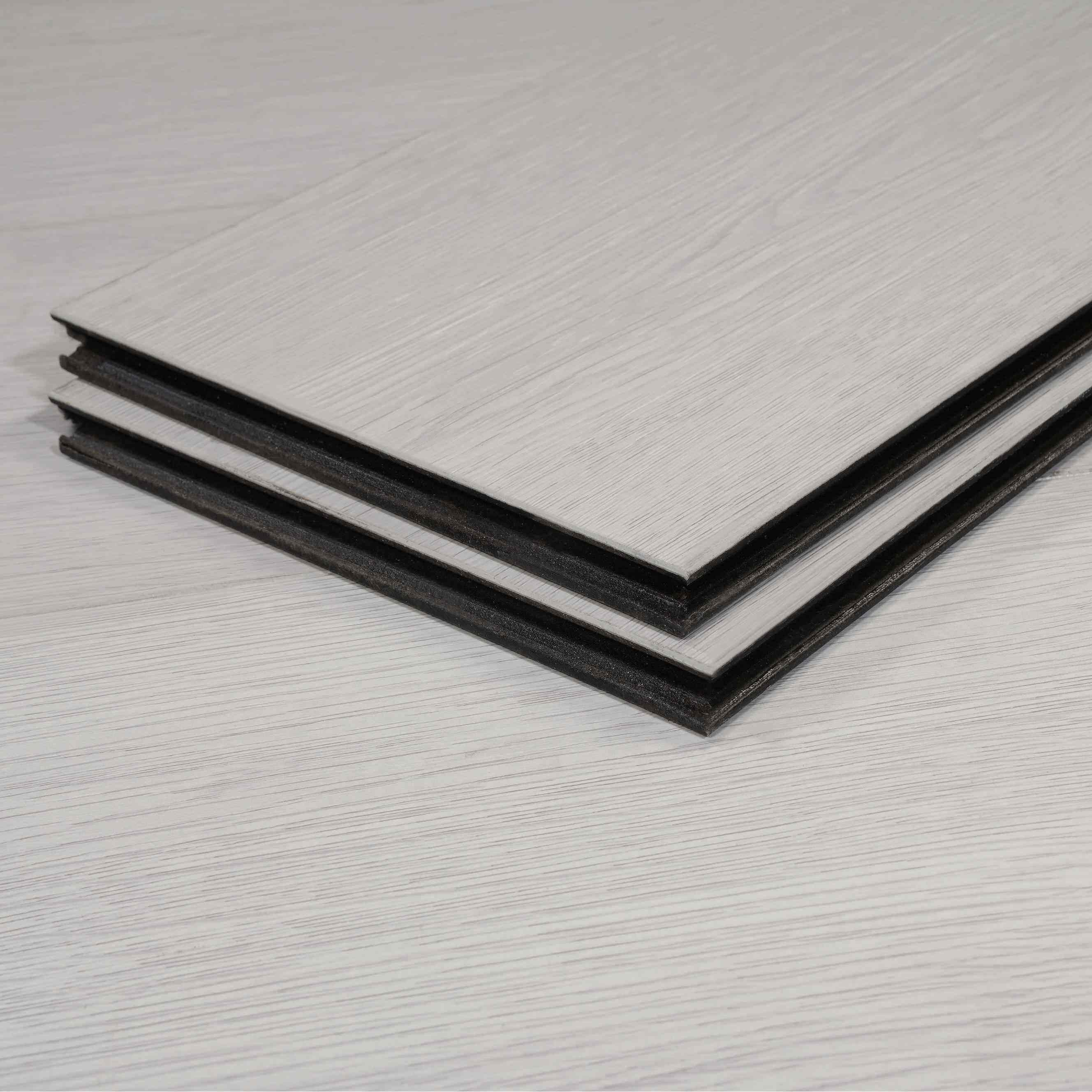
Waterproof vinyl flooring utilizes advanced polymer technology to create a completely impervious barrier against moisture penetration. The multi-layer construction typically includes a rigid core made from stone polymer composite or wood polymer composite materials. This core provides exceptional dimensional stability while maintaining the waterproof properties that make this flooring type ideal for wet environments. The wear layer on top features enhanced UV coating and antimicrobial treatments that resist staining and bacterial growth.
The manufacturing process involves precision engineering to ensure consistent thickness and density throughout each plank or tile. Modern waterproof vinyl flooring incorporates recycled materials without compromising performance standards. The backing layer often includes sound-dampening properties that reduce noise transmission in commercial applications. Quality manufacturers implement strict quality control measures to ensure every piece meets rigorous waterproof standards before distribution.
Installation Methods and Techniques
Professional installation of waterproof vinyl flooring requires specific techniques to maintain the integrity of the waterproof barrier. The click-lock system used in premium products creates seamless joints that prevent moisture infiltration at connection points. Proper subfloor preparation is essential for achieving optimal performance and longevity. The installation process typically requires specialized tools and adhesives designed specifically for waterproof vinyl flooring applications.
Floating installation methods allow for natural expansion and contraction without compromising the waterproof seal. The installation timeline for waterproof vinyl flooring is generally shorter than traditional flooring options due to the ease of handling and cutting. Professional installers must follow manufacturer guidelines precisely to maintain warranty coverage and ensure proper performance in wet environments.
Laminate Flooring Characteristics in Moisture Environments
Traditional Laminate Limitations
Standard laminate flooring consists of a high-density fiberboard core that is inherently susceptible to moisture damage when exposed to water. The wood-based core can swell, warp, and deteriorate rapidly when subjected to humidity levels above manufacturer recommendations. Traditional laminate products rely on surface coatings and edge sealing to provide limited moisture resistance rather than comprehensive waterproofing. These protective measures often prove inadequate in environments with frequent water exposure or high humidity conditions.
The photographic layer in laminate flooring can delaminate when moisture penetrates the protective barriers. Edge swelling is a common failure mode that compromises both aesthetics and structural integrity. Repair options for moisture-damaged laminate are typically limited to complete replacement of affected sections. The cost implications of moisture damage often exceed the initial savings achieved by choosing laminate over waterproof alternatives.
Water-Resistant Laminate Innovations
Recent developments in laminate technology have produced water-resistant variants that offer improved moisture tolerance compared to traditional options. These enhanced products feature treated cores and improved edge sealing systems designed to withstand brief water exposure. However, even water-resistant laminate cannot match the comprehensive protection offered by waterproof vinyl flooring in consistently wet environments. The distinction between water-resistant and waterproof remains crucial for proper material selection in moisture-critical applications.
Water-resistant laminate products often carry specific installation requirements and usage limitations that restrict their application in truly wet spaces. The warranty coverage for these products typically excludes damage from standing water or prolonged moisture exposure. Performance testing standards for water-resistant laminate are less stringent than those applied to waterproof vinyl flooring products.
Performance Comparison in Wet Applications
Moisture Resistance and Durability
The fundamental difference in moisture resistance between waterproof vinyl flooring and laminate becomes apparent through standardized testing protocols. Waterproof vinyl flooring consistently demonstrates zero water absorption rates in laboratory conditions that simulate real-world wet environments. The material maintains its structural integrity and appearance even after prolonged submersion in water. This performance advantage translates directly to reduced maintenance costs and extended service life in commercial applications.
Durability testing reveals that waterproof vinyl flooring maintains its dimensional stability across wider temperature and humidity ranges compared to laminate options. The resistance to thermal expansion and contraction prevents gaps and buckling that commonly affect laminate installations in variable moisture conditions. Impact resistance testing shows superior performance for waterproof vinyl flooring in high-traffic wet areas where dropped objects and heavy equipment create additional stress.
Maintenance Requirements and Lifecycle Costs
Maintenance protocols for waterproof vinyl flooring in wet spaces are significantly simplified compared to laminate alternatives. The non-porous surface prevents bacterial growth and staining that require intensive cleaning procedures. Standard mopping and disinfection protocols are sufficient to maintain hygiene standards in healthcare and food service applications. The elimination of special sealing or treatment requirements reduces ongoing maintenance expenses substantially.
Lifecycle cost analysis consistently favors waterproof vinyl flooring in wet applications due to reduced replacement frequency and lower maintenance requirements. The initial investment premium is typically recovered within the first few years of operation through reduced maintenance costs and avoided replacement expenses. Insurance considerations may also favor waterproof vinyl flooring installations due to reduced water damage risk in commercial properties.
Application-Specific Considerations
Commercial and Industrial Environments
Commercial kitchens, healthcare facilities, and industrial processing areas require flooring solutions that can withstand constant moisture exposure without compromising safety or hygiene standards. Waterproof vinyl flooring meets strict health department requirements for non-porous surfaces that can be properly sanitized. The slip-resistant surface textures available in waterproof vinyl flooring products provide essential safety features for wet work environments. Chemical resistance properties ensure compatibility with industrial cleaning agents and disinfectants.
The installation speed of waterproof vinyl flooring minimizes business disruption during renovation projects in commercial settings. The ability to install over existing substrates in many cases further reduces project timelines and costs. Compliance with fire safety codes and accessibility standards makes waterproof vinyl flooring suitable for public buildings and commercial facilities with strict regulatory requirements.
Residential Wet Areas
Bathrooms, laundry rooms, and basement installations benefit significantly from the comprehensive moisture protection offered by waterproof vinyl flooring. The comfort underfoot and thermal properties provide advantages over traditional ceramic tile options while maintaining superior moisture resistance. Design flexibility allows homeowners to achieve the appearance of hardwood or stone without the maintenance challenges associated with natural materials in wet environments.
Pet-friendly properties of waterproof vinyl flooring make it ideal for homes with animals that may have accidents or tracking in moisture from outside. The ease of cleanup and resistance to odor absorption provide practical advantages for busy households. Basement installations particularly benefit from the moisture barrier properties that prevent issues with ground moisture and humidity fluctuations.
Cost Analysis and Value Proposition
Initial Investment Comparison
The upfront cost difference between waterproof vinyl flooring and laminate varies significantly based on product quality and installation requirements. Premium waterproof vinyl flooring typically commands a price premium of twenty to forty percent over comparable laminate products. However, this initial cost difference must be evaluated against the total cost of ownership including installation, maintenance, and replacement expenses over the expected service life.
Installation costs for waterproof vinyl flooring may be lower in some applications due to simplified preparation requirements and faster installation times. The ability to install directly over many existing surfaces reduces demolition and disposal costs compared to laminate installations that require extensive subfloor preparation. Professional installation warranties often provide better coverage for waterproof vinyl flooring due to the reduced risk of moisture-related failures.
Long-term Value and Return on Investment
Property value considerations favor waterproof vinyl flooring installations in wet areas due to the perceived quality and durability advantages. Real estate professionals recognize the appeal of low-maintenance flooring solutions that provide long-term performance assurance. The transferable warranties available with premium waterproof vinyl flooring products can enhance property marketability and buyer confidence.
Energy efficiency benefits may result from the insulation properties of waterproof vinyl flooring compared to ceramic tile alternatives. The comfort and warmth underfoot can reduce heating costs in basement and bathroom applications. The reduced need for climate control to prevent moisture damage provides additional operational savings in commercial applications.
FAQ
How long does waterproof vinyl flooring last compared to laminate in wet areas
Waterproof vinyl flooring typically provides fifteen to twenty-five years of service life in wet environments, while laminate products may require replacement within five to ten years due to moisture damage. The superior moisture resistance of waterproof vinyl flooring prevents the swelling, warping, and delamination that commonly affect laminate in wet conditions. Proper installation and maintenance can extend the service life of waterproof vinyl flooring beyond manufacturer warranties, making it a more cost-effective long-term solution.
Can laminate flooring be used in bathrooms and kitchens
While some water-resistant laminate products are marketed for bathroom and kitchen use, they cannot provide the comprehensive moisture protection required for areas with regular water exposure. Traditional laminate should never be installed in wet areas due to the risk of rapid deterioration and potential health hazards from moisture damage. Even water-resistant laminate products carry installation restrictions and warranty limitations that make them unsuitable for true wet area applications where waterproof vinyl flooring would be the appropriate choice.
What maintenance is required for waterproof vinyl flooring in wet spaces
Waterproof vinyl flooring requires only routine sweeping and mopping with standard cleaning solutions to maintain appearance and hygiene in wet spaces. The non-porous surface prevents bacterial growth and staining that would require special treatments. Unlike laminate, waterproof vinyl flooring does not require periodic sealing or special moisture protection measures. Regular inspection of seams and edges ensures continued waterproof performance, but major maintenance interventions are rarely necessary during the normal service life.
Is waterproof vinyl flooring suitable for commercial wet areas
Waterproof vinyl flooring is specifically engineered for demanding commercial wet area applications including healthcare facilities, commercial kitchens, and industrial processing environments. The material meets stringent health department requirements for non-porous surfaces that can be properly sanitized. Slip-resistant surface options provide essential safety features for wet work environments. The chemical resistance and durability of commercial-grade waterproof vinyl flooring ensure reliable performance under intensive use conditions that would quickly destroy laminate installations.