 EN
EN

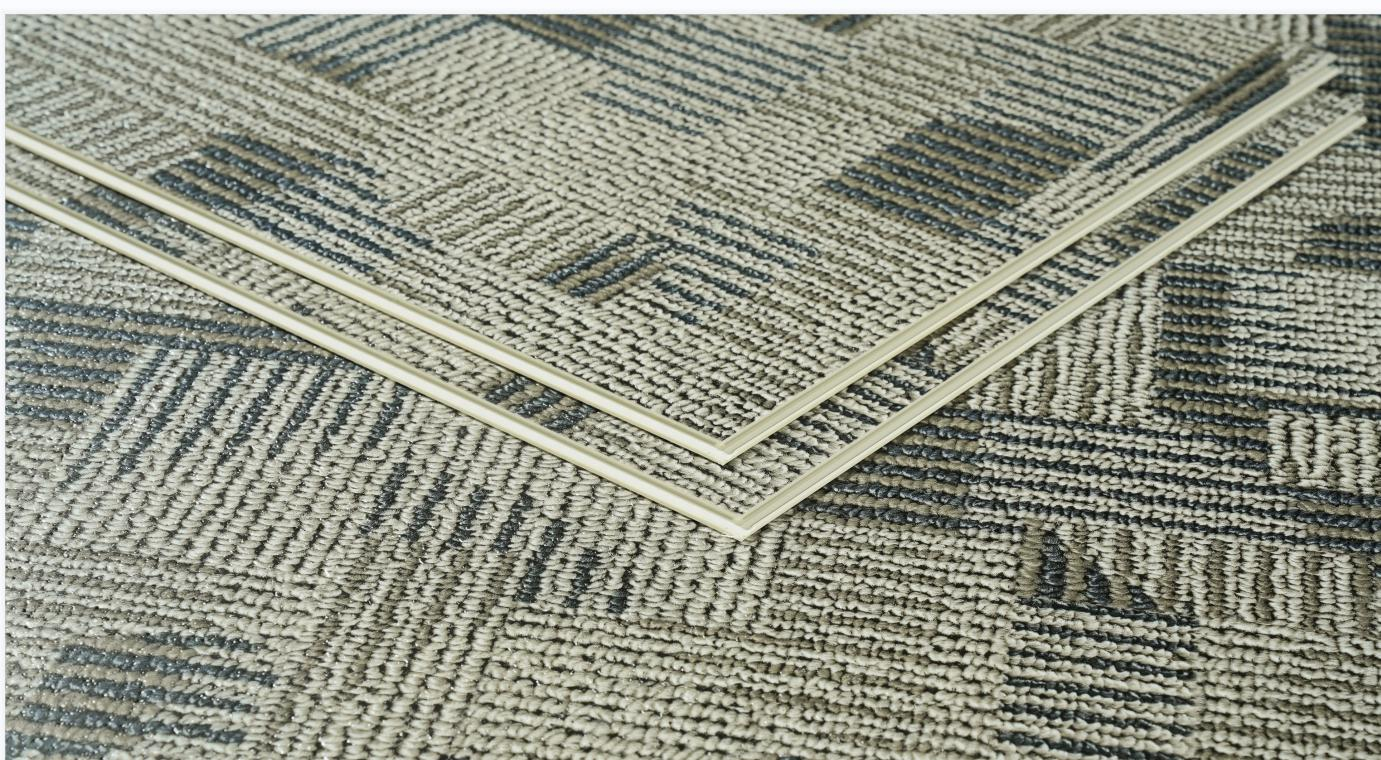
Selecting the perfect flooring for your home involves countless considerations, from durability and aesthetics to maintenance requirements and budget constraints. Among the various options available today, SPC flooring has emerged as a revolutionary solution that combines the beauty of natural materials with exceptional performance characteristics. This innovative flooring technology offers homeowners an ideal balance of style, functionality, and value that traditional flooring materials often struggle to match.
The decision-making process for choosing SPC flooring requires understanding both your personal preferences and the practical demands of your living space. Modern homeowners face unique challenges when it comes to flooring selection, including busy lifestyles, varying climate conditions, and the need for surfaces that can withstand daily wear while maintaining their visual appeal. SPC flooring addresses these challenges through advanced engineering and thoughtful design principles.
Understanding the fundamentals of SPC flooring technology enables homeowners to make informed decisions that align with their long-term goals and immediate needs. This comprehensive guide explores the essential factors that influence SPC flooring selection, from material composition and design variations to installation considerations and maintenance requirements. By examining these key elements, you can confidently choose SPC flooring that enhances your home's aesthetic appeal while delivering lasting performance.
Understanding SPC Flooring Composition and Structure
Core Material Technology
The foundation of any quality SPC flooring lies in its sophisticated core structure, which typically consists of limestone powder, polyvinyl chloride, and specialized stabilizers. This unique composition creates a rigid core that provides exceptional dimensional stability and resistance to temperature fluctuations. The limestone content, often comprising up to seventy percent of the core material, contributes to the flooring's density and durability while maintaining a relatively lightweight profile that simplifies installation processes.
Manufacturing precision plays a crucial role in determining the overall quality and performance of SPC flooring products. Advanced production techniques ensure consistent thickness, uniform density distribution, and precise dimensional tolerances that facilitate seamless installation. The integration of UV-resistant additives and antimicrobial treatments during the manufacturing process enhances the flooring's longevity and hygiene characteristics, making it particularly suitable for high-traffic residential areas.
Quality SPC flooring incorporates multiple functional layers that work together to deliver superior performance characteristics. The wear layer provides scratch resistance and stain protection, while the decorative layer offers realistic visual textures and patterns. Understanding these structural components helps homeowners appreciate the engineering excellence behind modern SPC flooring solutions and make selections based on performance requirements rather than surface appearances alone.
Layer Construction Benefits
The multi-layer construction of SPC flooring creates synergistic benefits that exceed the sum of individual component capabilities. Each layer serves specific functions while contributing to the overall system performance, resulting in flooring that combines aesthetic appeal with practical functionality. The attached underlayment layer, when present, provides acoustic dampening and thermal insulation properties that enhance comfort and reduce sound transmission between floors.
Advanced surface treatments applied to premium SPC flooring products include specialized coatings that resist scratches, stains, and wear patterns. These treatments maintain the flooring's appearance over extended periods while reducing maintenance requirements. The integration of antimicrobial technologies within the surface layers creates healthier indoor environments by inhibiting bacterial and fungal growth, particularly important for households with young children or individuals with respiratory sensitivities.
The rigid core construction of SPC flooring eliminates many common problems associated with traditional vinyl flooring, including expansion and contraction issues, telegraphing of subfloor imperfections, and moisture-related deformation. This stability allows for installation over various subfloor types without extensive preparation, reducing both installation time and associated costs while ensuring consistent performance across different environmental conditions.
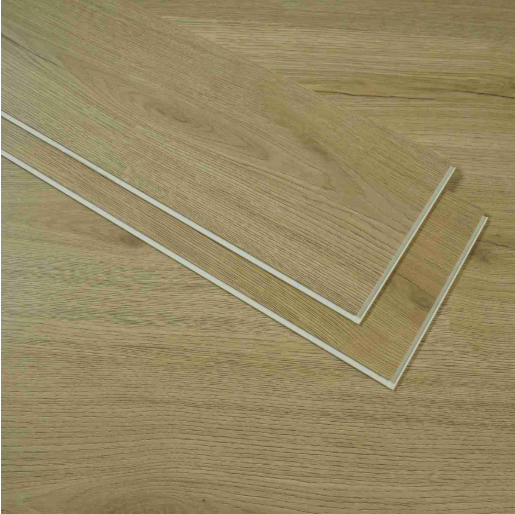
Design Styles and Aesthetic Considerations
Wood-Look Variations
Contemporary SPC flooring offers an impressive array of wood-look designs that capture the natural beauty and texture variations found in hardwood species. Advanced printing technologies and embossing techniques create authentic grain patterns, knot details, and color variations that closely mimic popular hardwood varieties including oak, maple, hickory, and exotic species. These realistic reproductions allow homeowners to achieve the desired aesthetic without the maintenance challenges and cost considerations associated with natural hardwood flooring.
The selection of wood-look SPC flooring should consider both current design trends and timeless appeal to ensure long-term satisfaction with the investment. Neutral tones and medium stain colors typically offer the greatest versatility for coordinating with changing interior design elements, while bold or highly contrasted patterns make strong design statements that may require more careful consideration of complementary furnishings and décor elements.
Plank dimensions significantly impact the visual perception of space and can influence the overall design harmony within a room. Wider planks create a more contemporary appearance and can make smaller rooms appear larger, while traditional narrow planks provide classic charm that complements traditional or transitional design styles. The choice between random-length and uniform-length planks affects the installation pattern and overall visual rhythm of the flooring surface.
Stone and Tile Patterns
Stone-look SPC flooring options provide the sophisticated appearance of natural stone materials while eliminating concerns about cold surfaces, difficult maintenance, and potential cracking issues. These designs incorporate realistic texture variations, natural veining patterns, and authentic color transitions that capture the essence of marble, travertine, slate, and other popular stone varieties. The warmer surface temperature and enhanced comfort underfoot make stone-look SPC flooring particularly appealing for residential applications.
Tile-pattern SPC flooring combines the clean, geometric appeal of ceramic or porcelain tiles with the practical benefits of resilient flooring materials. These designs work exceptionally well in kitchens, bathrooms, and other areas where moisture resistance and easy maintenance are priorities. The availability of various tile sizes and layout patterns allows for creative design expressions while maintaining the performance advantages that make SPC flooring attractive for residential use.
The integration of realistic grout line effects in tile-pattern SPC flooring creates authentic appearances without the maintenance challenges associated with traditional grout materials. These simulated grout lines remain consistent in color and texture over time, eliminating the discoloration and cleaning difficulties that often plague conventional tile installations. This feature makes tile-look SPC flooring particularly attractive for busy households seeking low-maintenance alternatives to traditional tile flooring.
Performance Characteristics and Durability Factors
Wear Resistance Properties
The wear layer thickness of SPC flooring directly correlates with its ability to resist scratches, scuffs, and other surface damage from daily use. Commercial-grade wear layers typically measure between 0.3 and 0.7 millimeters, with thicker layers providing enhanced durability for high-traffic areas. Understanding wear layer specifications helps homeowners select appropriate SPC flooring for different areas of their homes, ensuring optimal performance and longevity in each application.
Surface hardness ratings provide objective measures of SPC flooring resistance to denting and impact damage. These ratings, typically expressed in Shore D hardness values, indicate the flooring's ability to withstand dropped objects, furniture movement, and other potential sources of surface damage. Higher hardness ratings generally correspond to better long-term appearance retention, particularly important in active households with children and pets.
The chemical resistance of quality SPC flooring extends beyond basic stain resistance to include protection against household cleaners, pet accidents, and other common sources of discoloration or damage. Advanced surface treatments create barriers that prevent penetration of liquids and contaminants while maintaining the flooring's appearance and hygienic properties. This chemical resistance reduces maintenance requirements and extends the effective service life of the flooring investment.
Moisture and Temperature Stability
One of the most significant advantages of SPC flooring lies in its exceptional moisture resistance, which allows for installation in areas traditionally unsuitable for many flooring types. The waterproof nature of quality SPC flooring makes it ideal for basements, bathrooms, laundry rooms, and other areas prone to moisture exposure. This versatility expands design possibilities and ensures consistent performance across all areas of the home.
Temperature stability characteristics of SPC flooring prevent expansion, contraction, and warping issues that commonly affect other flooring materials. This dimensional stability eliminates the need for expansion gaps in many installations and reduces the likelihood of joint separation or buckling over time. The consistent performance across temperature ranges makes SPC flooring suitable for homes in varying climate conditions without special preparation or maintenance considerations.
The thermal properties of SPC flooring contribute to comfortable surface temperatures and compatibility with radiant heating systems. Unlike natural stone or ceramic tiles, SPC flooring maintains moderate surface temperatures that enhance comfort for barefoot walking while providing efficient heat transfer when used over radiant heating installations. This thermal performance makes SPC flooring particularly attractive for bedroom and living area applications where comfort is paramount.
Installation Methods and Requirements
Click-Lock Systems
Modern SPC flooring typically incorporates advanced click-lock systems that enable floating floor installations without adhesives or mechanical fasteners. These engineered connection systems create secure joints that allow for slight movement while maintaining structural integrity over time. The precision manufacturing required for effective click-lock systems reflects the overall quality and attention to detail found in premium SPC flooring products.
The angle and pressure requirements for proper click-lock engagement vary among different SPC flooring manufacturers, making it essential to follow specific installation guidelines for optimal results. Proper technique ensures complete joint engagement and prevents gaps or separation that could compromise the flooring's appearance and performance. Understanding these requirements helps homeowners evaluate whether professional installation is necessary or if DIY installation is feasible for their skill level.
Quality click-lock systems incorporate multiple locking mechanisms that prevent both horizontal and vertical joint movement after installation. These multi-directional locking features contribute to the overall stability and longevity of SPC flooring installations while facilitating future repairs or replacements if necessary. The ability to disassemble and reassemble click-lock joints makes SPC flooring particularly attractive for rental properties or homes where future modifications may be desired.
Subfloor Preparation Standards
Successful SPC flooring installation requires attention to subfloor conditions and preparation standards that ensure optimal performance and longevity. Unlike some flooring materials that require perfectly smooth subfloors, SPC flooring can accommodate minor imperfections due to its rigid core construction. However, significant irregularities, moisture issues, or structural problems must be addressed before installation to prevent future problems.
Moisture testing of concrete subfloors remains important even though SPC flooring itself is waterproof, as excessive moisture can create other problems including mold growth and adhesive failure in transition areas. Proper moisture barriers and vapor retarders may be necessary in basement applications or areas with known moisture concerns. Understanding these requirements helps homeowners budget appropriately for complete installation projects.
The compatibility of SPC flooring with existing flooring materials varies depending on the specific products and installation methods involved. In many cases, SPC flooring can be installed directly over existing hard-surface flooring, reducing removal costs and installation time. However, certain existing flooring types may require removal or special preparation to ensure proper performance and warranty compliance.
Maintenance and Care Requirements
Daily Cleaning Protocols
The low-maintenance characteristics of SPC flooring make it particularly attractive for busy households seeking beautiful floors without extensive care requirements. Daily maintenance typically involves simple sweeping or vacuuming to remove loose dirt and debris, followed by damp mopping with appropriate cleaning solutions when necessary. The non-porous surface of quality SPC flooring prevents dirt and contaminants from penetrating into the material, making cleaning efficient and effective.
Recommended cleaning products for SPC flooring include pH-neutral cleaners specifically formulated for resilient flooring materials. These specialized cleaners maintain the surface treatments and appearance of SPC flooring while providing effective cleaning action. Avoiding harsh chemicals, abrasive cleaners, and excessive moisture helps preserve the flooring's appearance and extend its service life significantly beyond standard warranty periods.
The frequency of deep cleaning required for SPC flooring depends on household traffic patterns, lifestyle factors, and personal preferences for cleanliness. Most households find that weekly or bi-weekly deep cleaning maintains optimal appearance and hygiene levels. The ease of cleaning SPC flooring makes it particularly suitable for households with allergies or respiratory sensitivities, as dust and allergens cannot become trapped within the flooring surface.
Long-Term Preservation Strategies
Protecting SPC flooring from potential damage requires understanding the factors that can affect its appearance and performance over time. Furniture pads, entrance mats, and appropriate area rugs help prevent scratches and wear patterns while maintaining the flooring's original appearance. Strategic placement of protective materials in high-traffic areas extends the effective service life of SPC flooring investments.
UV protection considerations for SPC flooring include managing direct sunlight exposure that could potentially cause color changes over time. While quality SPC flooring incorporates UV-resistant additives, prolonged direct sunlight exposure may cause gradual fading or color shifts. Window treatments, UV-resistant films, or periodic furniture rearrangement can help maintain consistent coloration across the entire floored area.
Seasonal maintenance considerations for SPC flooring are minimal compared to many other flooring types, but understanding environmental factors helps optimize performance and appearance. Maintaining consistent indoor humidity levels and temperature ranges supports the flooring's stability and appearance retention. The inherent stability of SPC flooring reduces the need for seasonal adjustments or special care procedures that may be required for other flooring materials.
Cost Considerations and Value Assessment
Initial Investment Analysis
The cost structure of SPC flooring includes material costs, installation expenses, and any necessary subfloor preparation or accessory purchases. While premium SPC flooring may have higher upfront costs compared to basic vinyl flooring, the enhanced durability and performance characteristics often provide superior long-term value. Understanding the total cost of ownership, including maintenance and replacement considerations, provides a more accurate assessment of SPC flooring value.
Installation cost factors for SPC flooring vary depending on the complexity of the project, local labor rates, and any special preparation requirements. The DIY-friendly nature of many SPC flooring products can significantly reduce total project costs for homeowners with appropriate skills and tools. However, professional installation may be advisable for complex layouts, moisture-prone areas, or situations where warranty requirements specify professional installation.
Comparative cost analysis should consider the lifecycle costs of SPC flooring versus alternative materials including hardwood, tile, carpet, and other resilient flooring options. While initial costs vary among these options, the maintenance requirements, replacement frequency, and performance characteristics of SPC flooring often result in competitive total ownership costs over extended periods.
Return on Investment Factors
The impact of flooring choices on home value varies by market conditions, home style, and buyer preferences, but quality SPC flooring generally provides positive contributions to home value and marketability. The combination of attractive appearance, low maintenance requirements, and durability appeals to many potential buyers, particularly those seeking move-in ready properties with modern amenities and reduced maintenance obligations.
Energy efficiency considerations related to SPC flooring include thermal properties that may contribute to heating and cooling cost reductions. The improved thermal mass and insulation properties compared to hard surface materials like tile or stone can create more comfortable indoor environments while potentially reducing energy consumption. These factors contribute to the overall value proposition of SPC flooring beyond simple aesthetic and durability considerations.
The longevity potential of quality SPC flooring supports strong return on investment through extended service life and maintained appearance over time. Many premium SPC flooring products include warranties of twenty years or more, reflecting manufacturer confidence in long-term performance. This extended service life reduces the frequency of flooring replacement projects and associated disruption to household routines.
FAQ
What thickness of SPC flooring is best for residential applications
Residential SPC flooring thickness typically ranges from 4mm to 8mm, with 5-6mm being optimal for most home applications. Thicker planks provide enhanced stability and sound dampening but may require additional considerations for transitions to adjacent flooring. The thickness choice should balance performance requirements with practical installation considerations including door clearances and transition details.
Can SPC flooring be installed in bathrooms and basements
Quality SPC flooring is fully waterproof and suitable for bathroom and basement installations where moisture resistance is essential. The dimensional stability and moisture resistance of SPC flooring make it ideal for these challenging environments. Proper installation techniques and attention to transition areas ensure optimal performance in moisture-prone applications.
How does SPC flooring compare to luxury vinyl tile in terms of performance
SPC flooring generally offers superior dimensional stability, dent resistance, and overall durability compared to traditional luxury vinyl tile products. The rigid core construction of SPC flooring provides better subfloor imperfection tolerance and eliminates many expansion and contraction issues. While both products offer attractive designs and water resistance, SPC flooring typically provides enhanced long-term performance characteristics.
What factors determine the warranty coverage for SPC flooring products
SPC flooring warranty coverage depends on wear layer thickness, manufacturing quality, installation compliance, and intended use applications. Residential warranties typically range from 15 to 30 years, with longer warranties generally corresponding to thicker wear layers and higher-quality manufacturing standards. Professional installation may be required to maintain warranty coverage for some premium products, making installation method selection an important consideration for warranty protection.