 EN
EN

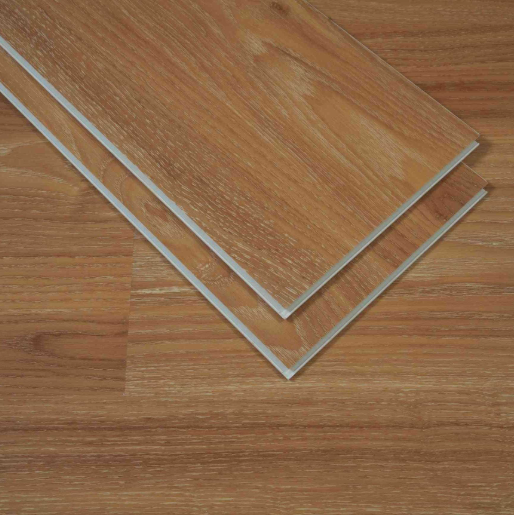
Stone Plastic Composite flooring has revolutionized the way homeowners and commercial property managers approach interior design and renovation projects. This innovative flooring solution combines the aesthetic appeal of traditional materials with modern durability and versatility. SPC flooring offers exceptional performance characteristics that make it suitable for virtually any indoor environment, from high-traffic commercial spaces to intimate residential settings. Understanding where and how to install this remarkable flooring material can help you make informed decisions for your next renovation project.
Understanding SPC Flooring Installation Requirements
Core Construction and Installation Benefits
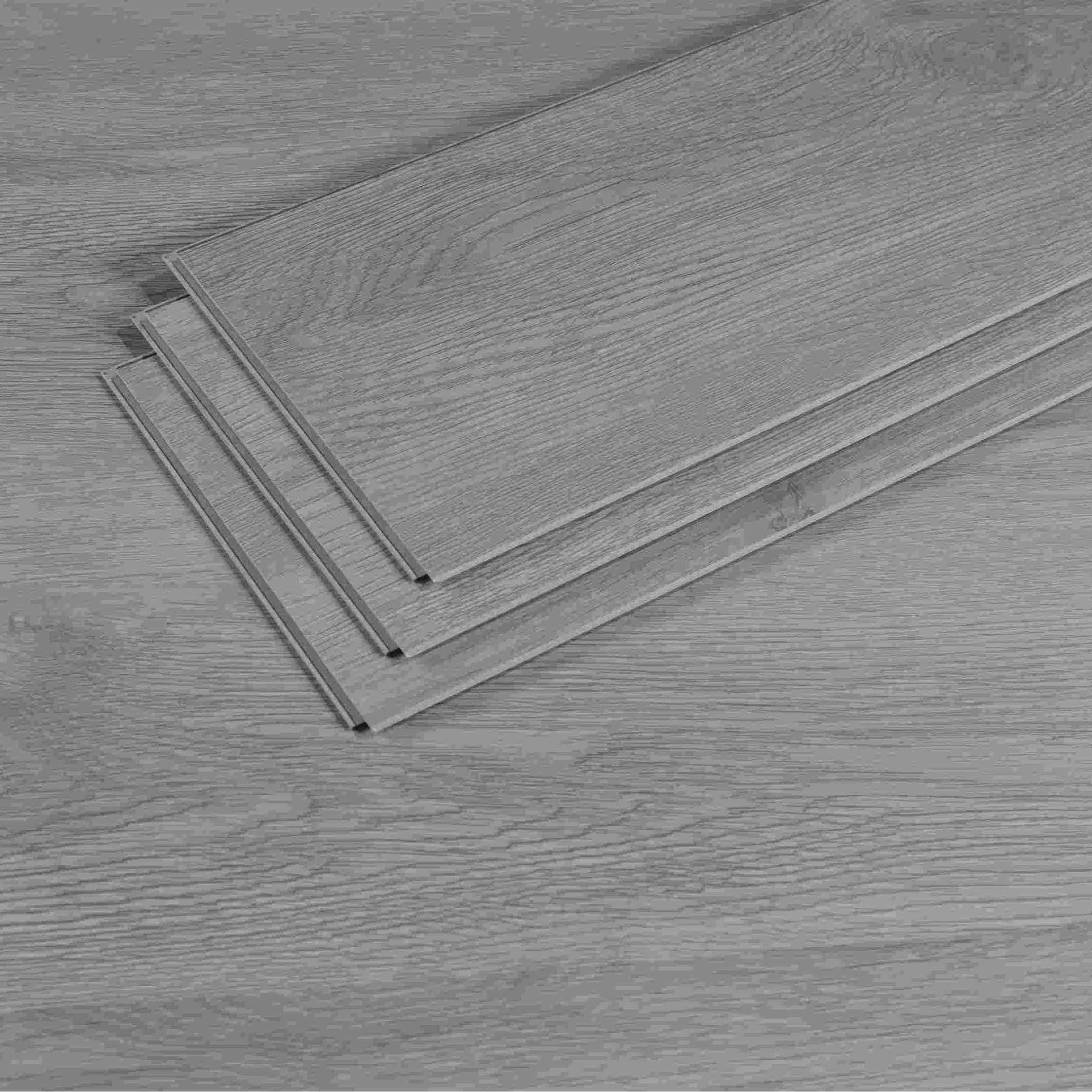
SPC flooring features a unique multi-layer construction that includes a waterproof stone plastic composite core, making it inherently resistant to moisture, temperature fluctuations, and dimensional changes. This robust construction allows for installation over various subfloor types without extensive preparation requirements. The click-lock installation system eliminates the need for adhesives in most applications, reducing installation time and complexity while maintaining superior stability.
The dimensional stability of SPC flooring means it can be installed as a floating floor system, which distributes weight evenly and accommodates minor subfloor imperfections. This characteristic makes it particularly suitable for renovation projects where existing flooring needs to be covered quickly and efficiently. Professional installers appreciate the consistent thickness and precise manufacturing tolerances that ensure seamless installation results.
Subfloor Compatibility and Preparation
SPC flooring demonstrates remarkable compatibility with various subfloor materials including concrete, plywood, OSB, existing vinyl, ceramic tile, and even some hardwood surfaces when properly prepared. The key requirement is ensuring the subfloor is clean, level, and structurally sound before installation begins. Minor imperfections up to 3/16 inch over an 8-foot span can typically be accommodated without additional preparation.
Moisture testing remains important even though SPC flooring is waterproof, as excessive subfloor moisture can create other problems such as mold growth or adhesive failure in hybrid installation methods. Professional installation teams typically use moisture meters and calcium chloride tests to verify subfloor conditions meet manufacturer specifications before proceeding with installation.
Residential Installation Applications
Kitchen and Dining Areas
Kitchens represent one of the most challenging environments for any flooring material due to frequent spills, temperature variations, and heavy foot traffic. SPC flooring excels in these conditions thanks to its waterproof core and scratch-resistant surface. The material handles dropped utensils, hot cookware, and daily cleaning routines without showing signs of wear or damage that plague traditional materials.
Installation in kitchens requires careful attention to transitions between rooms and around fixed appliances. The floating installation method allows for easy access to plumbing and electrical systems beneath the floor, while the waterproof nature eliminates concerns about dishwasher leaks or sink overflows. Many homeowners choose SPC flooring for open-concept kitchen and dining combinations to maintain visual continuity throughout connected spaces.
Bathroom and Powder Room Applications
Traditional flooring materials often struggle in bathroom environments due to constant humidity and occasional water exposure. SPC flooring addresses these challenges with its completely waterproof construction that extends from surface to core. This makes it suitable for full bathroom installations including areas around bathtubs, showers, and toilets where moisture exposure is inevitable.
The installation process in bathrooms may require trimming around fixtures and ensuring proper sealing at wall transitions, but the waterproof nature of SPC flooring eliminates the need for additional moisture barriers or special underlayments. The non-porous surface resists mold and mildew growth while providing a comfortable walking surface that maintains consistent temperature underfoot.
Living Spaces and Bedrooms
Living rooms, family rooms, and bedrooms benefit from the comfort and acoustic properties of SPC flooring while maintaining the durability needed for daily use. The rigid core construction provides excellent stability for furniture placement and reduces the hollow sound often associated with floating floor systems. Advanced manufacturing techniques create realistic wood and stone textures that enhance the aesthetic appeal of these intimate spaces.
Installation in bedrooms and living areas typically proceeds quickly due to fewer obstacles and transitions compared to wet areas. The temperature stability of SPC flooring ensures consistent performance in rooms with varying climate control throughout different seasons. Many homeowners appreciate the low maintenance requirements and allergen-resistant properties that contribute to healthier indoor air quality.
Commercial and High-Traffic Installation Environments
Retail and Office Spaces
Commercial environments demand flooring solutions that combine durability with professional appearance and cost-effective maintenance. SPC flooring meets these requirements through its enhanced wear layer that resists scuffs, scratches, and stains from heavy foot traffic and commercial activities. The material maintains its appearance over years of use while requiring only routine cleaning and occasional deep maintenance.
Installation in commercial settings often involves large areas that benefit from the efficiency of the click-lock system and minimal downtime during installation. The dimensional stability of SPC flooring accommodates the HVAC variations common in commercial buildings while the waterproof core provides protection against cleaning procedures and accidental spills that occur in busy work environments.
Healthcare and Educational Facilities
Healthcare facilities require flooring that meets strict hygiene standards while withstanding constant cleaning with industrial-grade disinfectants. SPC flooring provides a non-porous surface that prevents bacterial growth and allows for thorough sanitization without degradation of the material. The comfortable walking surface reduces fatigue for staff members who spend long hours on their feet.
Educational environments present unique challenges including heavy foot traffic, frequent cleaning, and occasional moisture exposure from weather and activities. SPC flooring installation in schools and universities provides long-term durability that reduces replacement costs while maintaining attractive appearance throughout the academic year. The quiet walking surface contributes to better acoustic environments in classrooms and study areas.
Specialty Installation Considerations
Basement and Below-Grade Applications
Basement installations present unique challenges due to potential moisture issues and concrete subfloors that may have irregular surfaces. SPC flooring addresses these concerns through its waterproof construction and ability to install directly over concrete without additional moisture barriers in most situations. The rigid core provides insulation benefits that improve comfort in below-grade living spaces.
Installation considerations for basements include ensuring adequate expansion space around the perimeter and proper transition strips at stairways and room entrances. The thermal properties of SPC flooring help moderate temperature variations common in basement environments while the waterproof core provides peace of mind against seasonal moisture fluctuations or minor flooding events.
Mudrooms and Entryways
Entry areas receive some of the most challenging treatment from weather, debris, and temperature extremes as people transition from outdoor to indoor environments. SPC flooring handles these conditions effectively through its scratch-resistant surface and waterproof core that accommodates wet shoes, salt, and other outdoor contaminants without damage or staining.
Installation in entryways often requires attention to door clearances and transition strips that accommodate different flooring heights in adjacent rooms. The easy cleaning and maintenance characteristics of SPC flooring make it particularly suitable for these high-impact areas where first impressions matter and regular deep cleaning is essential for maintaining appearance and functionality.
Installation Best Practices and Professional Recommendations
Climate Control and Environmental Conditions
Proper climate control during and after SPC flooring installation ensures optimal performance and longevity. The material should be acclimated to room temperature before installation, typically requiring 24-48 hours in the installation environment. This acclimation period allows the material to adjust to local humidity and temperature conditions, reducing the likelihood of expansion or contraction issues after installation.
Maintaining consistent temperature and humidity levels during installation helps ensure proper fit and finish of the click-lock connections. Professional installers recommend maintaining temperatures between 65-75°F and relative humidity between 30-50% during installation and for the first 48 hours afterward to achieve optimal results.
Quality Control and Inspection Procedures
Professional installation of SPC flooring includes thorough inspection of materials before and during installation to identify any defects or damage that could affect performance. Each plank should be examined for color consistency, surface defects, and dimensional accuracy before installation. Any questionable pieces should be set aside for replacement to ensure the finished installation meets quality standards.
Post-installation inspection focuses on verifying proper gap spacing around perimeters, secure click-lock connections, and smooth transitions between rooms and different floor levels. Professional installers document their work through photographs and detailed reports that serve as reference for warranty purposes and future maintenance requirements.
FAQ
Can SPC flooring be installed over existing tile or hardwood floors?
Yes, SPC flooring can typically be installed over existing tile, hardwood, or other hard surface flooring materials provided the existing surface is structurally sound, clean, and relatively level. The subfloor must be able to support the additional weight and thickness of the new flooring system. Any loose tiles should be secured or removed, and high spots should be leveled to ensure proper installation of the SPC flooring system.
How does moisture affect SPC flooring installation requirements?
While SPC flooring itself is waterproof, excessive subfloor moisture can still cause installation problems and potential mold issues. Most manufacturers require moisture testing of concrete subfloors before installation, with acceptable levels typically below 5 pounds per 1000 square feet over 24 hours using calcium chloride testing methods. Proper moisture testing ensures long-term performance and validates warranty coverage for the installation.
What tools and equipment are needed for professional SPC flooring installation?
Professional SPC flooring installation requires basic hand tools including a tape measure, chalk line, utility knife, rubber mallet, tapping block, pull bar, and spacers for maintaining expansion gaps. Power tools such as a miter saw or table saw are essential for making precise cuts, while a moisture meter helps verify subfloor conditions. Knee pads and safety equipment ensure installer comfort and safety during the installation process.
Are there any rooms where SPC flooring should not be installed?
SPC flooring is suitable for virtually all indoor applications, but installation in saunas, steam rooms, or areas with extreme temperature fluctuations above 100°F should be avoided. Outdoor applications are generally not recommended due to UV exposure and extreme weather conditions that exceed the material's designed operating parameters. Most residential and commercial indoor environments fall well within the acceptable range for SPC flooring installation and long-term performance.