 EN
EN

When designing interior spaces in bathrooms, kitchens, or basements, moisture resistance becomes a critical consideration. A wpc wall panel has emerged as a popular solution for homeowners and contractors seeking durable wall coverings that withstand high humidity levels without deteriorating. Unlike traditional drywall or wood-based materials, a wpc wall panel combines wood fibers with polyvinyl chloride to create a composite that resists water absorption, swelling, and mold growth.
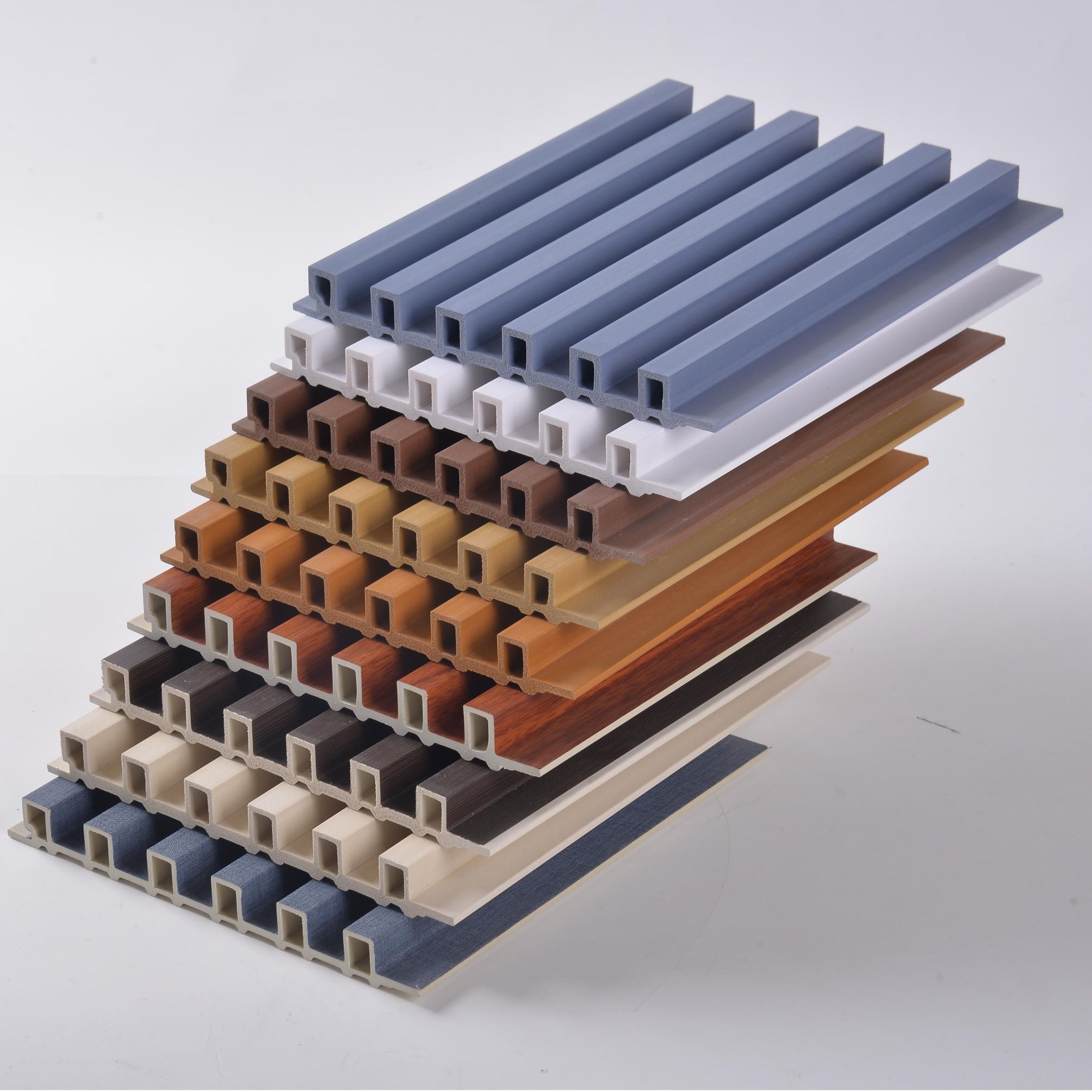
Understanding how a wpc wall panel performs in humid interior environments requires examining its material composition, installation methods, and real-world performance data. This comprehensive guide explores whether a wpc wall panel is suitable for moisture-rich spaces and what maintenance practices ensure long-term durability in challenging conditions.
Moisture Resistance and Material Structure
Water Absorption Properties of WPC Wall Panels
A wpc wall panel fundamentally differs from solid wood because its polyvinyl chloride matrix creates a barrier against moisture penetration. Traditional wood absorbs water readily, leading to warping, swelling, and structural failure in humid environments. Conversely, a wpc wall panel maintains dimensional stability even when exposed to fluctuating humidity levels, steam, and direct water contact. The plastic component typically comprises 50 to 70 percent of the material composition, ensuring that water cannot easily saturate the composite structure. This characteristic makes a wpc wall panel particularly valuable in bathrooms where steam from showers and baths creates persistent moisture exposure.
Mold and Mildew Resistance Capabilities
One of the most significant advantages of a wpc wall panel in humid environments is its inherent resistance to mold and mildew growth. The plastic coating in a wpc wall panel prevents organic matter accumulation that fungi typically require for reproduction. Unlike porous materials, a wpc wall panel surface does not trap moisture or provide a suitable substrate for microbial colonization. Studies demonstrate that a wpc wall panel maintains its antimicrobial properties for extended periods, even in bathrooms with minimal ventilation. When a wpc wall panel is properly sealed at joints and transitions, the risk of moisture seeping behind the surface becomes negligible, further reducing mold formation probability.
Installation Considerations for Humid Spaces
Substructure Preparation and Ventilation
Installing a wpc wall panel in humid environments requires careful attention to the underlying wall structure and air circulation. Although a wpc wall panel resists moisture, moisture trapped behind the installation can damage the substrate and compromise structural integrity. Contractors recommend ensuring adequate ventilation pathways when installing a wpc wall panel, particularly in bathrooms and kitchens. A wpc wall panel should be mounted on pressure-treated lumber or moisture-resistant frames that prevent water from reaching structural components. Additionally, applying a moisture barrier or waterproof membrane behind a wpc wall panel adds an extra layer of protection, especially in areas prone to direct water exposure or high condensation rates.
Joint Sealing and Edge Protection
The performance of a wpc wall panel in humid conditions depends significantly on proper sealing of joints and edges. Although a wpc wall panel resists moisture from the face, water can penetrate at unsealed seams where two panels meet. Professional installation of a wpc wall panel requires using silicone caulk or specialized polyurethane sealants to seal all joints completely. This prevents water intrusion at vulnerable connection points and ensures that a wpc wall panel system functions as an integrated moisture barrier. The bottom edge of a wpc wall panel installation should incorporate a baseboard or trim piece that directs water away from the wall base, protecting the substructure while maintaining the finished appearance of a wpc wall panel wall.
Durability and Long-Term Performance
Color Stability and Surface Degradation
A wpc wall panel maintains its aesthetic appeal over extended periods in humid environments, though UV exposure and moisture can gradually affect surface appearance. Quality wpc wall panel products incorporate UV stabilizers and colorants that resist fading when installed in naturally lit spaces. In bathrooms with artificial lighting and minimal direct sunlight, a wpc wall panel typically exhibits excellent color retention for 10 to 15 years or longer. The surface texture of a wpc wall panel may show slight discoloration if moisture persists on the surface for extended periods, but the structural integrity remains uncompromised. Regular cleaning and proper ventilation preserve the visual quality of a wpc wall panel while ensuring optimal moisture control.
Longevity Compared to Traditional Materials
When compared to conventional wall coverings, a wpc wall panel offers superior longevity in humid interior environments. Standard drywall typically fails within 5 to 10 years in moisture-heavy spaces, requiring replacement and mold remediation. Ceramic tile, though moisture-resistant, can develop grout deterioration and underlying moisture accumulation. A wpc wall panel avoids these common failure modes by resisting water absorption entirely and eliminating the porous substrate that supports mold development. Properly installed and maintained, a wpc wall panel system can function reliably for 15 to 25 years in humid bathrooms and kitchens, representing a cost-effective long-term investment for property owners seeking durable interior solutions.
Practical Maintenance and Care
Cleaning and Moisture Management
Maintaining a wpc wall panel in humid environments involves regular cleaning and attention to moisture accumulation. A wpc wall panel surface can be cleaned with mild soap and water or non-abrasive cleaning solutions that do not compromise the plastic coating. After exposure to steam or water spray, wiping down a wpc wall panel removes excess moisture and prevents mineral deposits or water staining. Ensuring adequate bathroom ventilation with exhaust fans reduces the moisture load that a wpc wall panel must manage, extending its service life and maintaining its appearance. While a wpc wall panel does not require sealing or staining like wood products, periodic inspection of joints and caulk lines ensures the moisture barrier remains intact.
Inspection and Maintenance Protocols
Annual inspection of a wpc wall panel installation identifies potential issues before they become significant problems. Check for any separation between panels, damaged caulk lines, or areas where a wpc wall panel may have absorbed excess water or swollen slightly. Although rare, physical damage to a wpc wall panel surface should be repaired promptly using touch-up kits or replacement panels to prevent moisture infiltration. Monitoring humidity levels in spaces where a wpc wall panel is installed helps identify ventilation inadequacies that could accelerate deterioration. Maintaining humidity below 65 percent ensures that a wpc wall panel performs optimally and prevents associated mold and condensation problems.
FAQ
Can a wpc wall panel withstand direct water spray in shower areas?
Yes, a wpc wall panel withstands direct water exposure when properly installed and sealed. The plastic matrix in a wpc wall panel resists water penetration, and when all joints are sealed with appropriate caulk, a wpc wall panel functions effectively as a moisture barrier. However, standing water should not pool at the base, and adequate ventilation remains necessary to prevent humidity accumulation behind a wpc wall panel system.
How does a wpc wall panel compare to tile in humid bathrooms?
A wpc wall panel offers several advantages over ceramic tile in humid bathrooms. While tile resists moisture, grout deteriorates over time and moisture can accumulate beneath tiles. A wpc wall panel eliminates grout failure concerns and provides superior thermal comfort. Additionally, installing a wpc wall panel is faster and less labor-intensive than tile installation, reducing overall project costs while delivering comparable moisture resistance.
What is the typical lifespan of a wpc wall panel in high-moisture environments?
A properly maintained wpc wall panel installation in humid environments typically lasts 15 to 25 years before requiring replacement. The lifespan of a wpc wall panel depends on ventilation quality, maintenance practices, and the severity of moisture exposure. By managing humidity levels and performing regular inspections, property owners can extend the service life of a wpc wall panel system significantly beyond minimum expectations.