 EN
EN
When homeowners and contractors face flooring decisions, the debate between laminate flooring and hardwood remains one of the most significant choices affecting both budget and long-term satisfaction. Understanding the financial implications, durability factors, and aesthetic considerations of each option helps property owners make informed decisions that align with their specific needs and financial constraints. The flooring market has evolved dramatically over recent decades, with laminate flooring emerging as a compelling alternative to traditional hardwood installations.
Initial Cost Analysis and Budget Considerations
Purchase Price Comparison
The upfront investment required for flooring materials represents the most immediate financial consideration for property owners. Laminate flooring typically costs between fifteen and forty dollars per square foot, including basic installation services, while hardwood flooring ranges from fifty to one hundred fifty dollars per square foot for comparable coverage. This substantial price difference often influences initial decision-making processes, particularly for large commercial projects or extensive residential renovations where budget constraints play crucial roles.
Quality variations within each category significantly impact pricing structures and long-term value propositions. Premium laminate flooring options featuring advanced wear layers and realistic wood grain textures command higher prices but still remain considerably less expensive than mid-range hardwood alternatives. The manufacturing processes behind laminate flooring allow for consistent quality control and economies of scale that translate into more predictable pricing for consumers and contractors alike.
Installation Expense Factors
Professional installation costs vary dramatically between these flooring types, with laminate flooring generally requiring less specialized labor and equipment than traditional hardwood installations. Most laminate flooring systems utilize click-lock mechanisms that enable faster installation processes, reducing labor costs and project timelines. Hardwood installation often requires specialized tools, moisture content measurements, and precise subflooring preparation that increases overall project expenses.
Do-it-yourself installation possibilities favor laminate flooring due to its user-friendly design and comprehensive manufacturer instructions. Many homeowners successfully complete laminate flooring installations without professional assistance, eliminating labor costs entirely while achieving satisfactory results. Hardwood installation typically requires professional expertise to ensure proper moisture barriers, appropriate spacing, and finishing applications that meet manufacturer warranty requirements.
Durability and Maintenance Requirements
Wear Resistance and Longevity
The protective wear layer found in quality laminate flooring provides exceptional resistance to scratches, dents, and daily foot traffic damage that commonly affects hardwood surfaces. Modern laminate flooring incorporates aluminum oxide or other advanced materials in wear layers that withstand heavy commercial use while maintaining appearance integrity over extended periods. This durability advantage makes laminate flooring particularly attractive for high-traffic areas where hardwood might show premature wear patterns.
Hardwood flooring offers the unique advantage of restoration potential through sanding and refinishing processes that can extend service life significantly beyond original installation periods. While initial durability may favor laminate flooring in certain applications, hardwood's ability to undergo multiple refinishing cycles provides long-term value that exceeds laminate flooring replacement costs over several decades. The solid wood construction allows for deep scratch removal and complete surface renewal that laminate flooring cannot accommodate.
Cleaning and Upkeep Demands
Daily maintenance requirements strongly favor laminate flooring due to its moisture-resistant surface and stain-resistant properties that simplify cleaning routines. Standard household cleaners work effectively on laminate flooring without requiring specialized products or techniques that hardwood surfaces often demand. The synthetic construction of laminate flooring eliminates concerns about water damage from routine mopping or accidental spills that can permanently damage hardwood installations.
Hardwood maintenance involves regular applications of protective finishes, careful moisture management, and immediate attention to spills that could penetrate wood fibers and cause permanent staining or warping. The natural material properties of hardwood require ongoing investment in specialized cleaning products and periodic professional maintenance services that increase lifetime ownership costs compared to laminate flooring alternatives.
Aesthetic Appeal and Design Flexibility
Visual Authenticity and Style Options
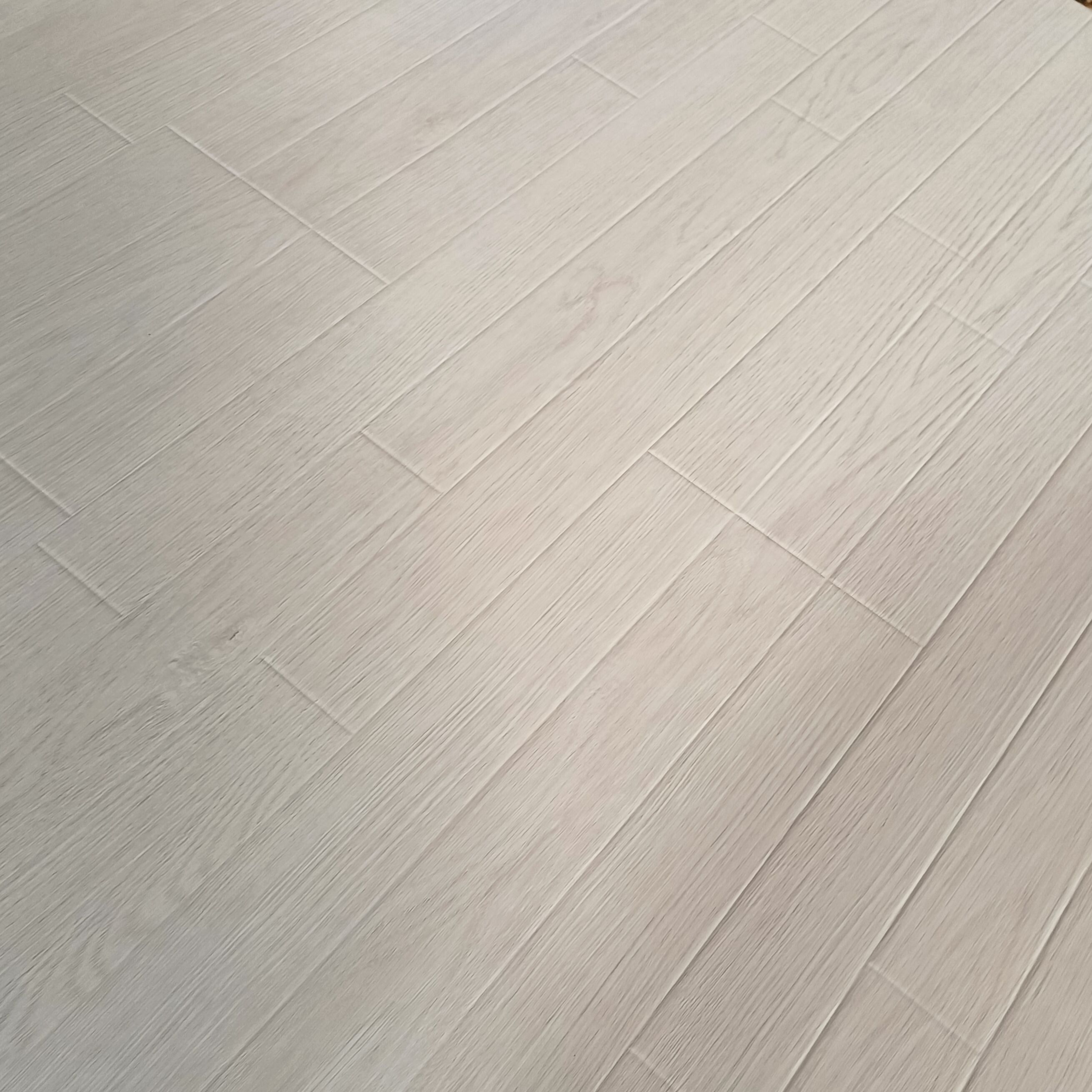
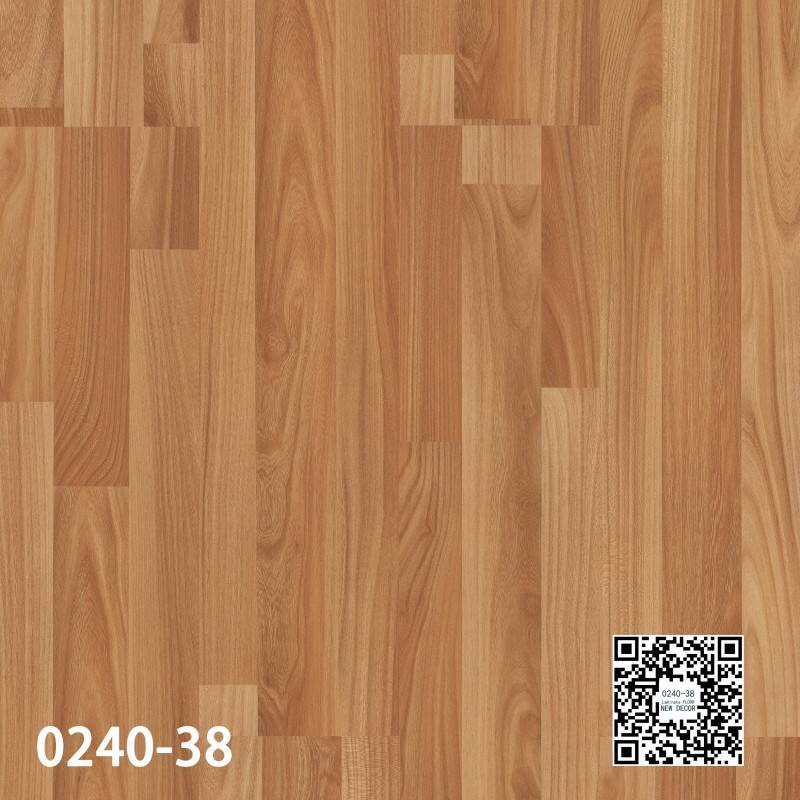
Contemporary laminate flooring manufacturing techniques produce remarkably realistic wood grain patterns and textures that closely mimic premium hardwood species at fraction of comparable costs. High-definition printing technologies and embossed surface treatments create visual depth and tactile authenticity that satisfies most residential and commercial design requirements. The consistent appearance of laminate flooring eliminates natural wood variations that some property owners prefer to avoid in formal or contemporary interior designs.
Authentic hardwood provides unique character through natural grain variations, mineral streaks, and organic color differences that create distinctive visual appeal impossible to replicate artificially. Each hardwood plank carries individual characteristics that contribute to overall design authenticity valued by discerning homeowners and high-end commercial applications. The natural aging process of hardwood develops patina and character over time that enhances rather than diminishes aesthetic appeal.
Design Versatility and Application Range
The manufacturing flexibility of laminate flooring enables extensive design possibilities including exotic wood species appearances, stone textures, and creative patterns unavailable in natural hardwood options. Property owners can achieve luxury appearances without corresponding material costs while exploring design themes that might be prohibitively expensive with authentic materials. The standardized dimensions and consistent quality of laminate flooring facilitate complex installation patterns and seamless transitions between rooms.
Hardwood species selection provides natural design variations within traditional wood aesthetics but limits creative possibilities to available timber resources and sustainable harvesting practices. The inherent beauty of authentic wood grain creates timeless appeal that transcends changing design trends, making hardwood installations valuable long-term investments that enhance property values consistently over time.
Environmental Impact and Sustainability Factors
Resource Consumption and Manufacturing
Modern laminate flooring production utilizes recycled wood fibers and sustainable manufacturing processes that minimize environmental impact compared to harvesting mature trees for hardwood flooring. The efficient use of wood waste materials in laminate flooring core construction reduces overall forest resource consumption while creating durable flooring products. Manufacturing facilities increasingly adopt renewable energy sources and waste reduction strategies that improve the environmental profile of laminate flooring production.
Responsible hardwood harvesting from certified sustainable forests supports long-term forest management practices that maintain ecosystem health while providing renewable building materials. The carbon sequestration properties of hardwood flooring contribute positively to indoor air quality and overall environmental impact when sourced from responsibly managed forest resources. However, transportation costs and harvesting impacts associated with premium hardwood species can offset environmental advantages depending on source locations and supply chain practices.
End-of-Life Disposal and Recycling
The composite construction of laminate flooring presents recycling challenges due to bonded synthetic and organic materials that require specialized separation processes. Most laminate flooring ultimately requires disposal in standard waste streams, though some manufacturers develop take-back programs for material recovery and recycling initiatives. The synthetic components in laminate flooring resist natural decomposition processes that limit disposal options compared to organic hardwood materials.
Hardwood flooring offers superior end-of-life environmental advantages through natural biodegradability, repurposing possibilities, and biomass energy recovery options. Removed hardwood planks frequently find second lives in craft projects, furniture construction, or biomass fuel applications that extend material utility beyond original flooring service. The organic nature of hardwood enables composting or natural decomposition processes that return nutrients to soil systems without environmental contamination concerns.
Property Value Impact and Investment Returns
Real Estate Market Perception
Real estate professionals consistently identify hardwood flooring as a premium feature that enhances property values and market appeal more significantly than laminate flooring alternatives. Potential buyers often perceive hardwood installations as indicators of overall property quality and maintenance standards that justify higher asking prices and faster sales processes. The established reputation of hardwood flooring in luxury markets creates psychological value associations that benefit property owners during resale negotiations.
High-quality laminate flooring installations receive positive market reception in mid-range residential segments where cost-effectiveness and practical benefits outweigh premium material preferences. Modern laminate flooring quality improvements have reduced negative market perceptions while providing attractive alternatives for budget-conscious buyers who prioritize functionality over material authenticity. The practical advantages of laminate flooring appeal to investors and rental property owners who prioritize durability and maintenance efficiency over maximum resale premiums.
Long-Term Investment Analysis
The refinishing potential of hardwood flooring creates long-term value preservation that can justify higher initial investments through extended service life and maintained appearance quality. Property owners who plan extended ownership periods often realize superior returns from hardwood installations that can be restored multiple times rather than replaced entirely. The timeless appeal of authentic hardwood maintains market desirability across changing design trends and buyer preferences.
Laminate flooring provides excellent short-to-medium-term value through lower initial costs, reduced maintenance expenses, and satisfactory performance in most residential and commercial applications. The predictable replacement timeline for laminate flooring enables accurate long-term budgeting while providing consistent appearance and performance throughout service life. Cost-conscious property owners often achieve superior total returns through strategic laminate flooring installations that balance quality, durability, and affordability effectively.
FAQ
How long does laminate flooring typically last compared to hardwood
Quality laminate flooring installations typically provide fifteen to twenty-five years of satisfactory service in residential applications, while hardwood flooring can last several decades with proper maintenance and periodic refinishing. The wear layer thickness in laminate flooring directly influences longevity, with commercial-grade products offering superior durability for high-traffic environments. Hardwood's advantage lies in restoration potential that can extend service life beyond fifty years through professional refinishing services.
Can laminate flooring be installed in moisture-prone areas like bathrooms
Modern waterproof laminate flooring products specifically designed for moisture exposure can be successfully installed in bathrooms, kitchens, and other humidity-prone areas where traditional hardwood would be inappropriate. These specialized laminate flooring systems incorporate moisture barriers and sealed joint systems that prevent water infiltration and subfloor damage. However, proper installation techniques and adequate ventilation remain essential for preventing moisture-related problems in any flooring application.
What factors should influence the choice between laminate flooring and hardwood for commercial applications
Commercial flooring decisions should prioritize traffic volume expectations, maintenance capabilities, budget constraints, and aesthetic requirements specific to business operations. Laminate flooring excels in high-traffic retail environments where durability and easy replacement are priorities, while hardwood suits professional offices and hospitality applications where premium appearance justifies higher maintenance costs. The ability to customize laminate flooring appearances provides design flexibility that may outweigh hardwood authenticity in certain commercial contexts.
How do warranty terms compare between laminate flooring and hardwood products
Laminate flooring manufacturers typically offer comprehensive warranties covering wear layer performance, structural integrity, and installation defects for periods ranging from ten to thirty years depending on product quality levels. Hardwood warranties generally focus on manufacturing defects and material quality rather than performance guarantees, with coverage periods varying significantly based on species, grade, and finishing processes. Understanding warranty limitations and maintenance requirements is essential for protecting investments in either flooring type and ensuring long-term satisfaction with performance outcomes.
Table of Contents
- Initial Cost Analysis and Budget Considerations
- Durability and Maintenance Requirements
- Aesthetic Appeal and Design Flexibility
- Environmental Impact and Sustainability Factors
- Property Value Impact and Investment Returns
-
FAQ
- How long does laminate flooring typically last compared to hardwood
- Can laminate flooring be installed in moisture-prone areas like bathrooms
- What factors should influence the choice between laminate flooring and hardwood for commercial applications
- How do warranty terms compare between laminate flooring and hardwood products