 EN
EN

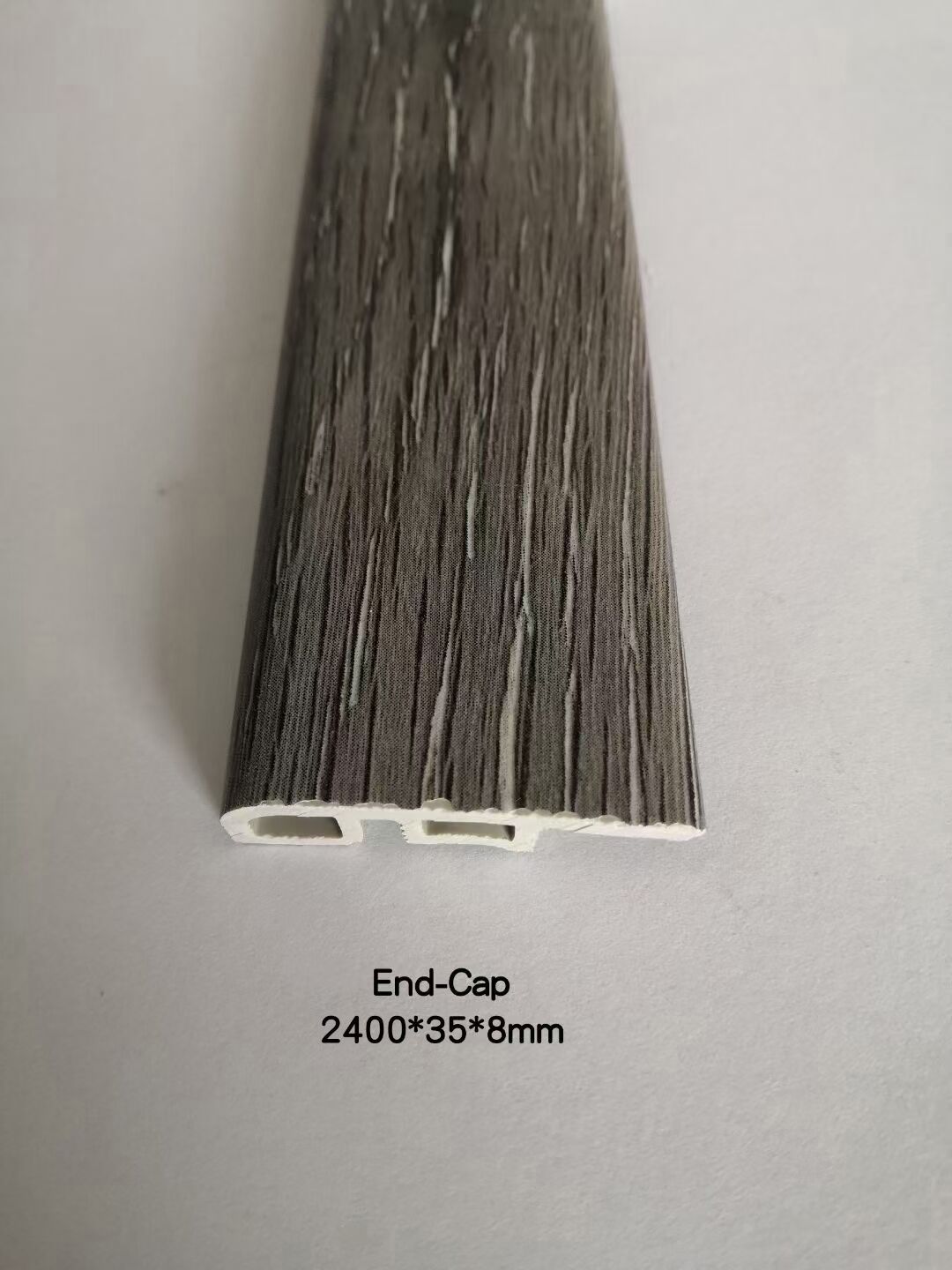
Commercial property managers and business owners increasingly recognize that floor selection directly impacts operational costs, maintenance schedules, and overall business functionality. When evaluating flooring solutions for high-traffic environments, herringbone flooring emerges as a strategic choice that addresses multiple commercial challenges simultaneously. The distinctive pattern and construction methodology of herringbone flooring creates inherent structural advantages that translate into measurable durability benefits for commercial applications.
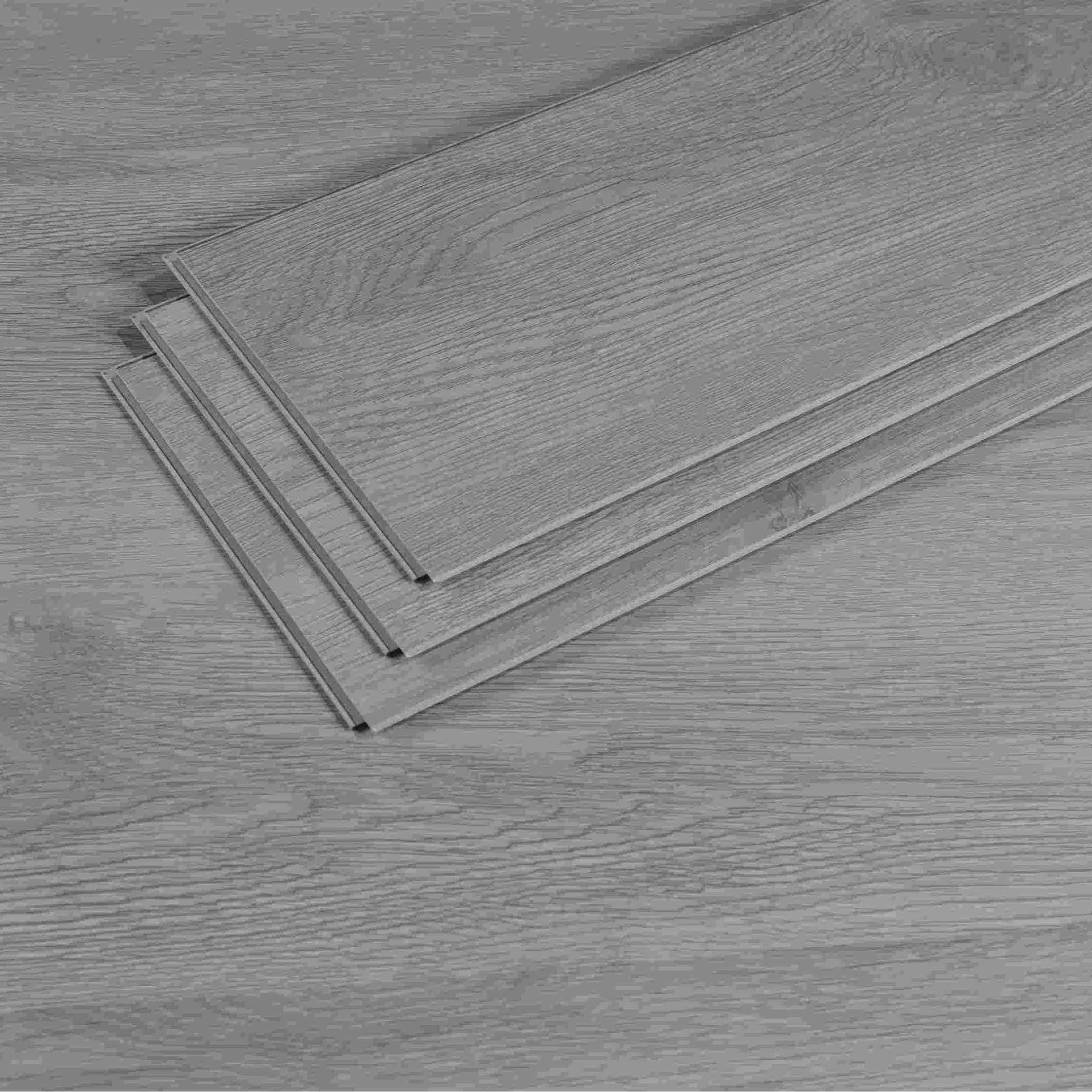
The choice of herringbone flooring in commercial spaces stems from fundamental engineering principles that enhance floor performance under demanding conditions. Unlike traditional straight-plank installations, the interlocking zigzag pattern distributes mechanical stress across multiple contact points, creating a floor system that withstands heavy foot traffic, furniture movement, and equipment loads more effectively. This structural advantage becomes particularly valuable in retail environments, office buildings, hospitality venues, and other commercial settings where floor failure can disrupt business operations and generate significant replacement costs.
Structural Engineering Benefits of Herringbone Pattern
Load Distribution Mechanics
The geometric arrangement of herringbone flooring creates a natural load-sharing system that prevents concentrated stress points from developing under heavy use. When weight is applied to any section of herringbone flooring, the angled plank configuration automatically transfers force along multiple directional vectors rather than concentrating pressure in a single area. This mechanical advantage reduces the likelihood of individual plank failure, edge crushing, or joint separation that commonly affects straight-pattern flooring installations in commercial environments.
Commercial spaces benefit from this load distribution because heavy furniture, equipment carts, and concentrated foot traffic create dynamic stress patterns throughout the day. The herringbone flooring pattern accommodates these varying loads by engaging adjacent planks in the support structure, effectively creating a collaborative floor system where each component reinforces the overall installation. This engineering principle explains why many commercial architects specify herringbone flooring for areas expected to experience irregular or concentrated loading conditions.
The interlocking nature of herringbone flooring also provides superior dimensional stability compared to parallel plank arrangements. Temperature fluctuations and humidity changes in commercial buildings create expansion and contraction forces that can compromise floor integrity over time. The cross-directional pattern of herringbone flooring allows these natural movements to occur without creating visible gaps or buckling, maintaining both structural integrity and aesthetic appearance under varying environmental conditions.
Joint Strength and Connection Integrity
The connection points between planks in herringbone flooring installations create multiple mechanical advantages that enhance overall system durability. Each plank in a herringbone pattern connects with adjacent pieces at angles rather than straight edges, creating a more complex and secure interlocking system. This geometric relationship means that lateral forces, which commonly cause straight-pattern floors to separate or shift, are redirected and absorbed by the overall pattern structure.
Commercial environments subject flooring to various mechanical stresses including rolling loads from carts, dragging furniture, and the constant pivoting motion of foot traffic. Herringbone flooring handles these challenges through its inherent joint configuration, where each connection point supports multiple stress directions simultaneously. The result is a floor system that maintains tight joints and smooth surfaces even after years of commercial use, reducing maintenance requirements and extending replacement intervals.
The durability advantage of herringbone flooring becomes particularly evident in high-traffic transition areas such as building entrances, corridor intersections, and elevator lobbies. These locations experience concentrated wear patterns that can quickly degrade conventional flooring installations. The multi-directional support structure of herringbone flooring distributes this wear across the entire pattern, preventing the formation of traffic lanes or worn pathways that compromise both appearance and structural integrity.
Material Performance Under Commercial Conditions
Wear Pattern Distribution
Commercial spaces generate complex wear patterns that reflect traffic flow, furniture placement, and operational activities. Herringbone flooring addresses these challenges through its ability to camouflage and distribute wear across the floor surface. The angular pattern naturally breaks up visual wear lines that become prominent in straight-plank installations, maintaining a more uniform appearance even as the floor experiences normal commercial use.
The visual masking effect of herringbone flooring provides significant practical benefits for commercial property managers. Instead of obvious wear paths that require targeted replacement or refinishing, herringbone flooring ages more uniformly across the installation. This characteristic extends the serviceable life of commercial floors by maintaining acceptable appearance standards longer than traditional patterns, reducing both material costs and business disruption associated with floor maintenance.
Additionally, the complex geometry of herringbone flooring makes minor surface imperfections, scratches, and scuff marks less noticeable to building occupants and visitors. This advantage proves particularly valuable in commercial environments where maintaining professional appearance standards is essential for business operations. The pattern naturally draws attention away from individual plank surfaces and toward the overall design, creating a more forgiving floor system for high-use commercial applications.
Moisture and Environmental Resistance
Commercial buildings present unique environmental challenges that test flooring durability over time. Temperature fluctuations from HVAC systems, humidity variations, and occasional moisture exposure from cleaning operations or weather conditions require flooring materials that maintain stability under changing conditions. Herringbone flooring provides enhanced resistance to these environmental factors through its installation pattern and joint configuration.
The multi-directional expansion and contraction capability of herringbone flooring prevents the development of gaps or buckling that can occur when traditional flooring patterns respond to moisture and temperature changes. Commercial spaces often experience rapid environmental transitions, such as frequent door openings, variable occupancy levels, and intensive cleaning schedules. The herringbone flooring pattern accommodates these conditions by allowing natural material movement without compromising joint integrity or surface flatness.
The enhanced environmental stability of herringbone flooring translates into reduced maintenance requirements and longer service intervals for commercial installations. Property managers benefit from fewer emergency repairs, reduced seasonal adjustments, and more predictable flooring performance throughout varying weather conditions and operational demands. This reliability factor contributes significantly to the total cost of ownership advantages that make herringbone flooring attractive for commercial applications.
Maintenance and Lifecycle Cost Advantages
Cleaning and Care Requirements
The maintenance requirements for herringbone flooring in commercial settings differ substantially from other flooring patterns due to the unique characteristics of the installation. The angular joint pattern creates natural break lines that help contain spills and prevent contamination from spreading across large floor areas. This containment effect simplifies cleaning procedures and reduces the time required for routine maintenance in commercial environments.
Commercial cleaning operations benefit from the herringbone flooring pattern because standard equipment and techniques work effectively across the entire installation. The pattern does not create problematic areas where dirt accumulates or cleaning equipment struggles to reach, unlike some decorative patterns that require special attention or modified procedures. This compatibility with standard commercial cleaning protocols helps maintain consistent floor appearance while controlling maintenance labor costs.
The durability characteristics of herringbone flooring also extend to resistance against cleaning chemicals and mechanical cleaning equipment commonly used in commercial buildings. The secure joint system and stable plank positioning prevent damage from scrubbing machines, steam cleaning, and chemical treatments that might affect less robust flooring installations. This chemical and mechanical resistance ensures that herringbone flooring maintains its appearance and structural integrity throughout intensive commercial maintenance schedules.
Repair and Replacement Considerations
When commercial floors require repair or partial replacement, the herringbone flooring pattern provides both advantages and considerations that affect maintenance planning and costs. The interlocked nature of herringbone flooring means that repairs typically involve working with pattern sections rather than individual planks, which can complicate small repairs but provides better overall results when properly executed.
The sectional repair approach for herringbone flooring often proves more cost-effective in commercial applications because it addresses underlying causes of damage rather than just surface symptoms. When a portion of herringbone flooring requires attention, the repair process naturally evaluates and addresses the surrounding area, preventing recurring problems and extending the overall installation life. This comprehensive approach aligns well with commercial property maintenance strategies that prioritize long-term reliability over short-term cost minimization.
Commercial property managers also benefit from the standardized nature of herringbone flooring repairs, which follow established procedures regardless of the specific material type or manufacturer. This consistency simplifies vendor management, staff training, and maintenance planning across multiple commercial properties. The predictable repair requirements and outcomes for herringbone flooring installations help property managers develop accurate maintenance budgets and scheduling protocols.
Business Performance and Operational Benefits
Traffic Flow and Space Functionality
The visual impact of herringbone flooring contributes to improved traffic flow and space utilization in commercial environments. The directional pattern naturally guides foot traffic along intended pathways while creating visual interest that enhances the overall space appeal. This traffic management capability reduces wear concentration in specific areas and distributes foot traffic more evenly across the floor surface.
Commercial spaces with herringbone flooring installations often experience improved wayfinding and space navigation because the pattern provides visual reference points that help visitors orient themselves within the building. The structured appearance of herringbone flooring creates a sense of organization and professionalism that supports business objectives while providing practical durability benefits. This dual functionality makes herringbone flooring particularly valuable for customer-facing commercial environments.
The acoustic properties of properly installed herringbone flooring also contribute to improved commercial space functionality. The tight joint system and stable plank arrangement reduce floor movement and associated noise that can distract from business activities. This acoustic stability proves particularly important in office environments, retail spaces, and hospitality venues where excessive floor noise can negatively impact customer experience or employee productivity.
Property Value and Investment Protection
Commercial property investments require flooring solutions that maintain their value and appearance over extended periods to protect overall asset value. Herringbone flooring provides superior investment protection through its combination of durability, timeless aesthetic appeal, and low maintenance requirements. The classic pattern remains professionally appropriate across various commercial uses, providing flexibility for future tenant needs or property repositioning strategies.
The enhanced durability of herringbone flooring translates directly into improved property cash flow through reduced maintenance costs, extended replacement intervals, and minimized business disruption from floor-related issues. Commercial property owners benefit from predictable flooring performance that supports tenant satisfaction and lease renewal rates. The professional appearance and reliable performance of herringbone flooring installations contribute to positive tenant relationships and reduced vacancy periods.
Long-term property value protection also stems from the adaptability of herringbone flooring to changing commercial uses and design trends. The neutral pattern and proven durability characteristics ensure that herringbone flooring installations remain viable across multiple tenant generations and property use changes. This longevity factor reduces the frequency of major floor renovations and associated capital expenditures throughout the property ownership period.
FAQ
How does herringbone flooring compare to straight planks for heavy commercial traffic?
Herringbone flooring provides superior performance under heavy commercial traffic because its interlocking pattern distributes weight and stress across multiple planks rather than concentrating force on individual pieces. The angular arrangement creates natural load-sharing that prevents premature wear and maintains structural integrity longer than straight plank installations. This advantage becomes particularly evident in high-traffic areas where concentrated loading would quickly degrade traditional flooring patterns.
What maintenance advantages does herringbone flooring offer in commercial settings?
Commercial herringbone flooring installations require less frequent deep cleaning and refinishing because the pattern naturally camouflages minor wear and surface imperfections. The multi-directional joint system prevents moisture penetration and contamination spread, simplifying spill cleanup and routine maintenance. Additionally, the stable joint configuration resists damage from commercial cleaning equipment and chemicals, maintaining appearance and structural integrity throughout intensive maintenance schedules.
Does herringbone flooring installation cost more initially than other commercial patterns?
While herringbone flooring typically requires higher initial installation costs due to increased labor complexity and material waste factors, the superior durability and reduced maintenance requirements often result in lower total cost of ownership over the floor lifecycle. Commercial property managers should evaluate herringbone flooring based on long-term value rather than just installation costs, considering factors such as extended replacement intervals, reduced repair frequency, and minimized business disruption from floor maintenance activities.
Can herringbone flooring be installed in all types of commercial spaces?
Herringbone flooring works well in most commercial applications including offices, retail spaces, restaurants, and hospitality venues, but specific material selection depends on the intended use environment. Areas with extreme moisture exposure, chemical contact, or specialized hygiene requirements may need specific herringbone flooring materials engineered for those conditions. Professional assessment of traffic patterns, environmental conditions, and performance requirements ensures optimal herringbone flooring specification for each commercial application.
Table of Contents
- Structural Engineering Benefits of Herringbone Pattern
- Material Performance Under Commercial Conditions
- Maintenance and Lifecycle Cost Advantages
- Business Performance and Operational Benefits
-
FAQ
- How does herringbone flooring compare to straight planks for heavy commercial traffic?
- What maintenance advantages does herringbone flooring offer in commercial settings?
- Does herringbone flooring installation cost more initially than other commercial patterns?
- Can herringbone flooring be installed in all types of commercial spaces?