 EN
EN

The modern flooring industry has witnessed tremendous innovation in recent years, with rigid core luxury vinyl planks leading the charge in residential and commercial applications. Among the most popular options, SPC flooring and WPC flooring have emerged as dominant choices for property owners seeking durability, water resistance, and aesthetic appeal. These engineered flooring solutions represent the pinnacle of vinyl flooring technology, offering superior performance compared to traditional laminate and hardwood alternatives.
Understanding the fundamental differences between these rigid core options requires examining their construction, performance characteristics, and installation requirements. Both SPC flooring and WPC flooring share common benefits including water resistance, dimensional stability, and low maintenance requirements. However, their unique compositions create distinct advantages that make each suitable for specific applications and environments.
The choice between SPC flooring and WPC flooring often depends on factors such as subfloor conditions, climate considerations, comfort preferences, and budget constraints. Industry professionals and homeowners alike must carefully evaluate these variables to select the optimal flooring solution that delivers long-term satisfaction and value.
Understanding SPC Flooring Construction
Core Composition and Structure
SPC flooring, which stands for Stone Plastic Composite, features a rigid core constructed from limestone powder, polyvinyl chloride, and stabilizers. This unique formulation creates an exceptionally dense and stable foundation that resists expansion and contraction under temperature fluctuations. The core density typically ranges from 2000 to 2200 kilograms per cubic meter, providing unmatched dimensional stability.
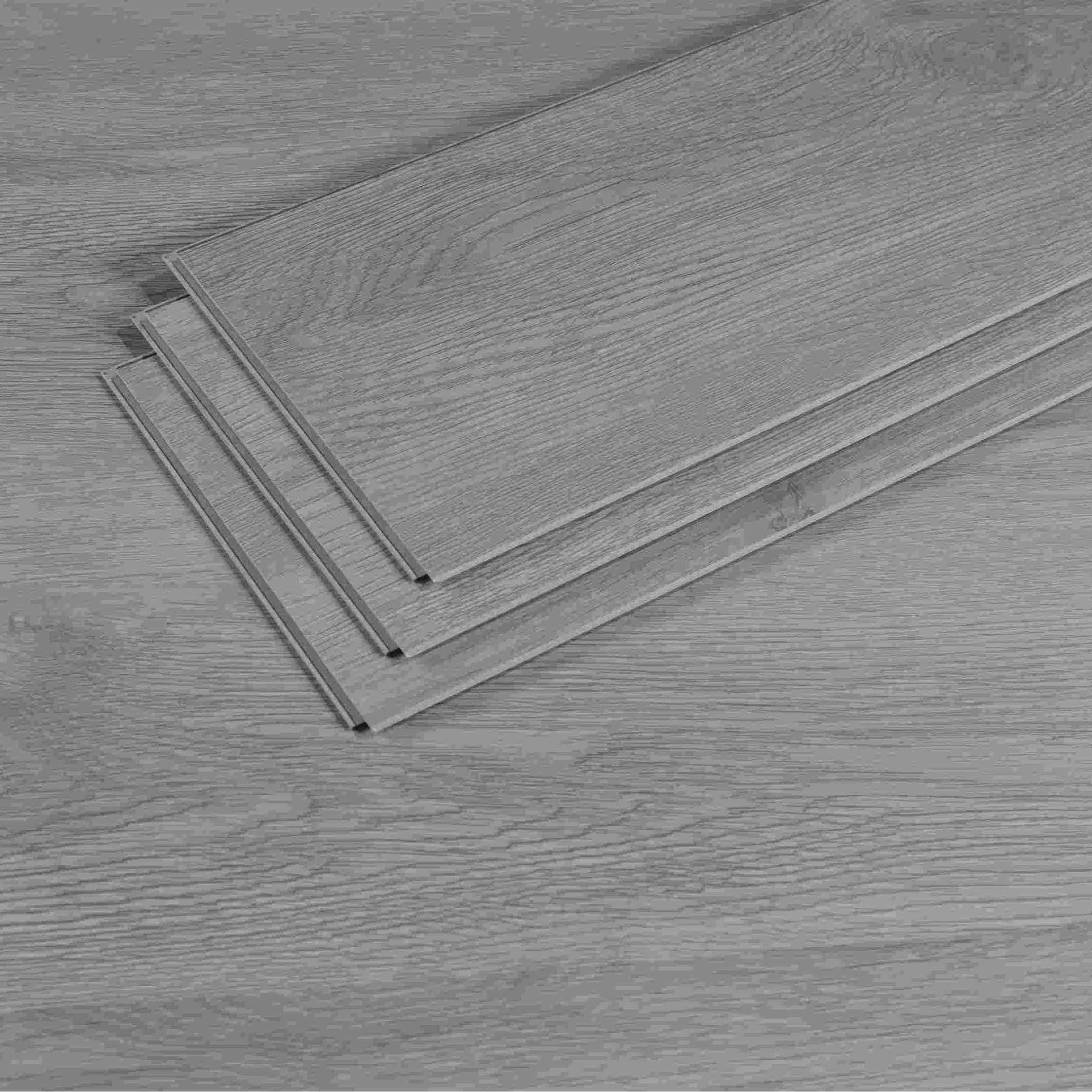
The layered construction of SPC flooring includes a UV-resistant wear layer, photographic film layer for design replication, and the stone plastic composite core. Beneath the core lies an attached underlayment that may include cork, foam, or rubber materials to enhance comfort and sound absorption. This multi-layer approach ensures optimal performance across various installation scenarios.
Manufacturing Process and Quality Control
The production of SPC flooring involves precision extrusion processes where raw materials are heated, mixed, and formed under controlled conditions. Advanced manufacturing facilities employ strict quality control measures to ensure consistent thickness, density, and surface finish across all planks. Temperature control during production is critical for achieving the proper molecular bonding that gives SPC flooring its characteristic strength.
Quality SPC flooring manufacturers implement multi-stage testing protocols including dimensional stability tests, wear resistance evaluations, and impact resistance measurements. These comprehensive testing procedures ensure that finished products meet or exceed industry standards for commercial and residential applications. The manufacturing precision directly impacts the flooring's performance longevity and installation ease.
WPC Flooring Technology and Benefits
Wood Plastic Composite Innovation
WPC flooring, representing Wood Plastic Composite technology, incorporates wood flour or fibers blended with thermoplastic materials to create a flexible yet stable core. This composition provides enhanced comfort underfoot while maintaining the water resistance and durability expected from premium vinyl flooring. The wood content typically ranges from 50 to 70 percent, contributing to the material's natural feel and thermal properties.
The cellular structure within WPC cores creates natural insulation properties that help maintain comfortable surface temperatures. This characteristic makes WPC flooring particularly appealing for bedrooms, living areas, and spaces where barefoot comfort is prioritized. The flexibility of WPC cores also allows for better subfloor irregularity tolerance compared to rigid alternatives.
Installation Flexibility and Performance
WPC flooring systems typically feature user-friendly click-lock installation mechanisms that accommodate minor subfloor imperfections without telegraphing through to the surface. The inherent flexibility of the wood plastic composite core helps absorb minor settling movements and provides forgiveness during the installation process. This characteristic reduces preparation requirements and installation time compared to more rigid flooring options.
The performance profile of WPC flooring includes excellent impact resistance, making it suitable for high-traffic commercial environments and active family households. The composite core construction distributes loads effectively across the plank surface, reducing the likelihood of permanent indentations from heavy furniture or equipment. Sound absorption properties also contribute to quieter living and working environments.
Comparative Analysis of Core Properties
Density and Structural Integrity
The most significant difference between SPC flooring and WPC flooring lies in their core density characteristics. SPC flooring typically exhibits higher density ratings, resulting in superior dimensional stability under extreme temperature variations. This makes SPC flooring particularly suitable for installations in sunrooms, commercial kitchens, and other environments with significant temperature fluctuations.
While WPC flooring offers moderate density levels that provide excellent balance between stability and comfort, it may experience slightly more expansion and contraction compared to SPC flooring. However, this difference is often negligible in controlled indoor environments where temperature variations remain within normal ranges. Both materials significantly outperform traditional laminate flooring in terms of moisture resistance and structural stability.
Thermal and Acoustic Properties
SPC flooring tends to conduct temperature more readily due to its dense mineral composition, which can result in cooler surface temperatures in winter months. This characteristic may require consideration of radiant heating systems or area rugs in colder climates. Conversely, the thermal properties make SPC flooring compatible with most radiant heating applications when proper installation guidelines are followed.
WPC flooring provides superior thermal insulation properties, maintaining more comfortable surface temperatures throughout seasonal changes. The wood fiber content contributes to natural thermal resistance, creating warmer surfaces during cold weather periods. Additionally, WPC flooring typically offers enhanced acoustic dampening compared to SPC flooring, reducing footfall noise transmission to lower levels.
Installation Considerations and Requirements
Subfloor Preparation Standards
SPC flooring installation requires precise subfloor preparation with minimal tolerance for irregularities. The rigid nature of SPC flooring means that any significant bumps, dips, or inconsistencies in the subfloor will telegraph through to the surface, potentially affecting both appearance and performance. Professional installation typically involves detailed subfloor leveling to achieve optimal results.
The acceptable subfloor variation for SPC flooring is generally limited to 3/16 inch over a 10-foot span, requiring careful attention to surface preparation. This precision requirement ensures proper locking mechanism engagement and prevents stress concentration points that could lead to premature wear or joint failure. Moisture testing and vapor barrier installation may also be necessary depending on subfloor conditions.
Climate and Environmental Factors
Both SPC flooring and WPC flooring require acclimation periods before installation, though the requirements differ based on their respective thermal expansion characteristics. SPC flooring typically requires 48 to 72 hours of on-site acclimation in climate-controlled environments to achieve thermal equilibrium. This process ensures optimal dimensional stability throughout the service life.
WPC flooring generally requires similar acclimation periods but may show greater tolerance for temperature variations during installation. The composite core's flexibility allows for accommodation of minor thermal movements without compromising joint integrity. However, extreme temperature fluctuations during installation should still be avoided to ensure proper locking mechanism function and long-term performance.
Performance in Different Applications
Commercial and High-Traffic Environments
SPC flooring demonstrates exceptional performance in commercial settings where dimensional stability and wear resistance are paramount concerns. The dense core construction provides superior resistance to rolling loads, furniture indentations, and high-frequency foot traffic. Retail spaces, healthcare facilities, and educational institutions benefit from the consistent performance characteristics of SPC flooring systems.
The rigid structure of SPC flooring maintains consistent surface flatness even under heavy commercial equipment and furniture loads. This characteristic prevents the telegraphing of subfloor irregularities and maintains a professional appearance throughout the service life. Chemical resistance properties also make SPC flooring suitable for laboratory and industrial applications where spill resistance is essential.
Residential Comfort and Livability
In residential applications, WPC flooring often provides superior comfort characteristics that enhance daily living experiences. The composite core construction offers a more forgiving surface that reduces fatigue during extended standing periods. Kitchen and bathroom installations particularly benefit from the water resistance combined with enhanced underfoot comfort.
Family households with children and pets appreciate the impact resistance and acoustic dampening properties of WPC flooring. The material's ability to absorb and distribute impact forces helps prevent damage from dropped objects while reducing noise transmission to adjacent rooms. These characteristics contribute to more peaceful living environments and reduced maintenance requirements.
Long-term Durability and Maintenance
Wear Resistance and Surface Protection
Both SPC flooring and WPC flooring feature advanced urethane wear layers that provide excellent resistance to scratches, stains, and UV fading. The wear layer thickness typically ranges from 12 mil to 22 mil for residential applications, with commercial grades offering enhanced protection up to 40 mil thickness. Regular maintenance involves simple sweeping and occasional damp mopping with manufacturer-approved cleaning solutions.
The photographic layer beneath the wear layer replicates authentic wood grain, stone, and tile patterns with remarkable accuracy. Advanced printing technologies ensure that the surface designs maintain their visual appeal throughout the warranty period. Both flooring types resist fading from sunlight exposure and maintain color consistency across the installation area.
Warranty Coverage and Performance Guarantees
Premium SPC flooring manufacturers typically offer comprehensive warranties ranging from 20 to 50 years for residential installations, with commercial warranties extending from 10 to 25 years. These warranties cover structural integrity, wear layer performance, and dimensional stability under normal use conditions. Some manufacturers also provide waterproof guarantees that protect against moisture-related damage.
WPC flooring warranties generally parallel SPC flooring coverage periods but may include specific provisions for thermal expansion limitations. Understanding warranty terms helps property owners make informed decisions about long-term flooring investments. Professional installation is often required to maintain full warranty coverage, emphasizing the importance of qualified installation teams.
FAQ
Which flooring type is better for basements and below-grade installations
SPC flooring typically performs better in basement and below-grade installations due to its superior moisture resistance and dimensional stability. The stone plastic composite core does not absorb moisture like traditional materials, preventing expansion, warping, or mold growth. The rigid construction also maintains stability on concrete subfloors that may experience minor moisture variations. However, proper vapor barrier installation and moisture testing remain essential regardless of the flooring type selected.
Can these flooring types be installed over existing floors
Both SPC flooring and WPC flooring can be installed over existing hard surface floors in many situations, provided the existing surface is stable, level, and properly prepared. The existing floor must be thoroughly cleaned, and any loose or damaged areas must be repaired or removed. Height transitions and door clearances should be evaluated before proceeding with overlay installations. Some existing floor types may require removal to ensure optimal performance and warranty compliance.
How do these materials compare in terms of environmental impact
Modern SPC flooring and WPC flooring products increasingly incorporate recycled materials and low-emission manufacturing processes to reduce environmental impact. Many products achieve GREENGUARD certification for indoor air quality and meet FLOORSCORE standards for low chemical emissions. The durability and longevity of both material types contribute to sustainability by reducing replacement frequency. Some manufacturers also offer take-back programs for end-of-life product recycling.
What are the typical cost differences between SPC flooring and WPC flooring
WPC flooring typically commands slightly higher prices than comparable SPC flooring due to the manufacturing complexity and raw material costs associated with wood plastic composite production. However, pricing varies significantly based on wear layer thickness, design sophistication, brand reputation, and warranty coverage. Installation costs may favor WPC flooring due to its subfloor tolerance characteristics, potentially offsetting material price differences. Long-term value should be evaluated based on expected service life and performance requirements rather than initial cost alone.