 EN
EN

Home renovation projects require careful consideration of materials that offer durability, aesthetics, and value for money. Among the numerous flooring options available today, SPC Flooring has emerged as a revolutionary choice that combines the best attributes of traditional materials while addressing their common shortcomings. This innovative flooring solution represents a significant advancement in interior design and construction technology, offering homeowners an exceptional alternative that delivers both performance and visual appeal.
The popularity of SPC Flooring has grown exponentially in recent years as contractors, architects, and homeowners discover its unique properties and advantages. This comprehensive guide explores every aspect of SPC Flooring, from its composition and manufacturing process to installation techniques and long-term maintenance requirements. Understanding these factors will help you make an informed decision about whether this flooring option aligns with your renovation goals and lifestyle needs.
Understanding SPC Flooring Technology and Composition
Core Material Structure and Engineering
SPC Flooring stands for Stone Plastic Composite flooring, which represents a breakthrough in engineered flooring technology. The core of SPC Flooring consists primarily of limestone powder, polyvinyl chloride resin, and stabilizers that create an incredibly dense and stable foundation. This unique composition gives SPC Flooring its exceptional dimensional stability and resistance to temperature fluctuations, making it suitable for various climate conditions and installation environments.
The manufacturing process involves high-temperature pressing and calendering techniques that bond these materials into a homogeneous core layer. This process ensures that SPC Flooring maintains consistent density throughout its structure, eliminating weak points that could lead to premature failure or warping. The result is a flooring material that outperforms traditional vinyl and laminate options in terms of structural integrity and longevity.
Layer Construction and Performance Benefits
Modern SPC Flooring typically features a multi-layer construction that includes a wear layer, decorative film, SPC core, and attached underlayment. The wear layer, usually made from UV-cured urethane or aluminum oxide, provides surface protection against scratches, stains, and daily wear. This layer determines the flooring's resistance to foot traffic and furniture movement, with thicker wear layers offering enhanced durability for high-traffic areas.
The decorative film layer showcases realistic wood grain patterns, stone textures, or abstract designs that give SPC Flooring its visual appeal. Advanced printing technologies allow manufacturers to create incredibly authentic reproductions of natural materials, complete with texture variations and color depth that closely mimic hardwood, ceramic, or natural stone surfaces.
Installation Advantages and Flexibility
Click-Lock System Innovation
One of the most significant advantages of SPC Flooring lies in its innovative click-lock installation system. This tongue-and-groove mechanism allows planks to connect securely without requiring adhesives, nails, or specialized tools. The precision-engineered locking system creates seamless joints that distribute weight evenly across the floor surface, preventing gaps and maintaining alignment over time.
The click-lock design also enables floating installation methods, where the entire floor system rests on top of the subfloor without permanent attachment. This approach offers several benefits, including easier removal for future renovations, reduced installation time, and the ability to install over existing flooring materials in many cases. Professional installers can typically complete SPC Flooring projects significantly faster than traditional hardwood or tile installations.
Subfloor Compatibility and Preparation Requirements
SPC Flooring demonstrates remarkable versatility in terms of subfloor compatibility, accepting installation over concrete, plywood, existing vinyl, ceramic tile, and other stable surfaces. The rigid core structure of SPC Flooring helps bridge minor subfloor imperfections, reducing the extensive preparation work often required for other flooring types. However, proper subfloor evaluation and preparation remain crucial for optimal performance and warranty compliance.
Moisture testing becomes particularly important when installing SPC Flooring over concrete subfloors, as excessive moisture can affect the adhesive bond of attached underlayments or cause expansion issues. Most manufacturers specify maximum moisture content levels and require appropriate moisture barriers when necessary. Despite these considerations, SPC Flooring generally requires less subfloor preparation than hardwood or laminate alternatives.
Performance Characteristics and Durability Factors
Water Resistance and Moisture Management
The stone-plastic composition of SPC Flooring creates an inherently waterproof core that will not swell, warp, or delaminate when exposed to moisture. This characteristic makes SPC Flooring an excellent choice for kitchens, bathrooms, basements, and other areas where water exposure is likely. Unlike traditional laminate flooring, which can suffer irreparable damage from water infiltration, SPC Flooring maintains its structural integrity even after prolonged moisture exposure.
However, while the core material is waterproof, proper installation techniques and edge sealing remain important for preventing moisture infiltration at seams and perimeter areas. Quality SPC Flooring products feature advanced edge-sealing technologies and water-resistant locking mechanisms that create barrier protection against spills and cleaning moisture. This combination of material properties and engineering design makes SPC Flooring one of the most moisture-resistant rigid flooring options available.
Thermal Stability and Climate Performance
The limestone-based composition of SPC Flooring provides exceptional thermal stability compared to traditional vinyl or laminate products. This stability translates to minimal expansion and contraction with temperature changes, reducing the risk of gaps, buckling, or other climate-related issues. SPC Flooring can typically handle temperature ranges from -20°F to 180°F without significant dimensional changes, making it suitable for geographic regions with extreme seasonal variations.
This thermal stability also makes SPC Flooring compatible with radiant heating systems, provided proper installation guidelines are followed. The dense core material conducts heat efficiently while maintaining structural stability, allowing homeowners to enjoy the comfort of heated floors without compromising the flooring's performance or appearance over time.
Aesthetic Options and Design Versatility
Wood Grain Patterns and Natural Textures
Contemporary SPC Flooring offers an impressive array of wood grain patterns that replicate popular hardwood species with remarkable accuracy. Advanced embossing techniques create textured surfaces that match the visual grain patterns, providing both tactile and visual authenticity. Popular options include oak, maple, hickory, and exotic wood appearances that capture the natural variation and character marks found in genuine hardwood flooring.
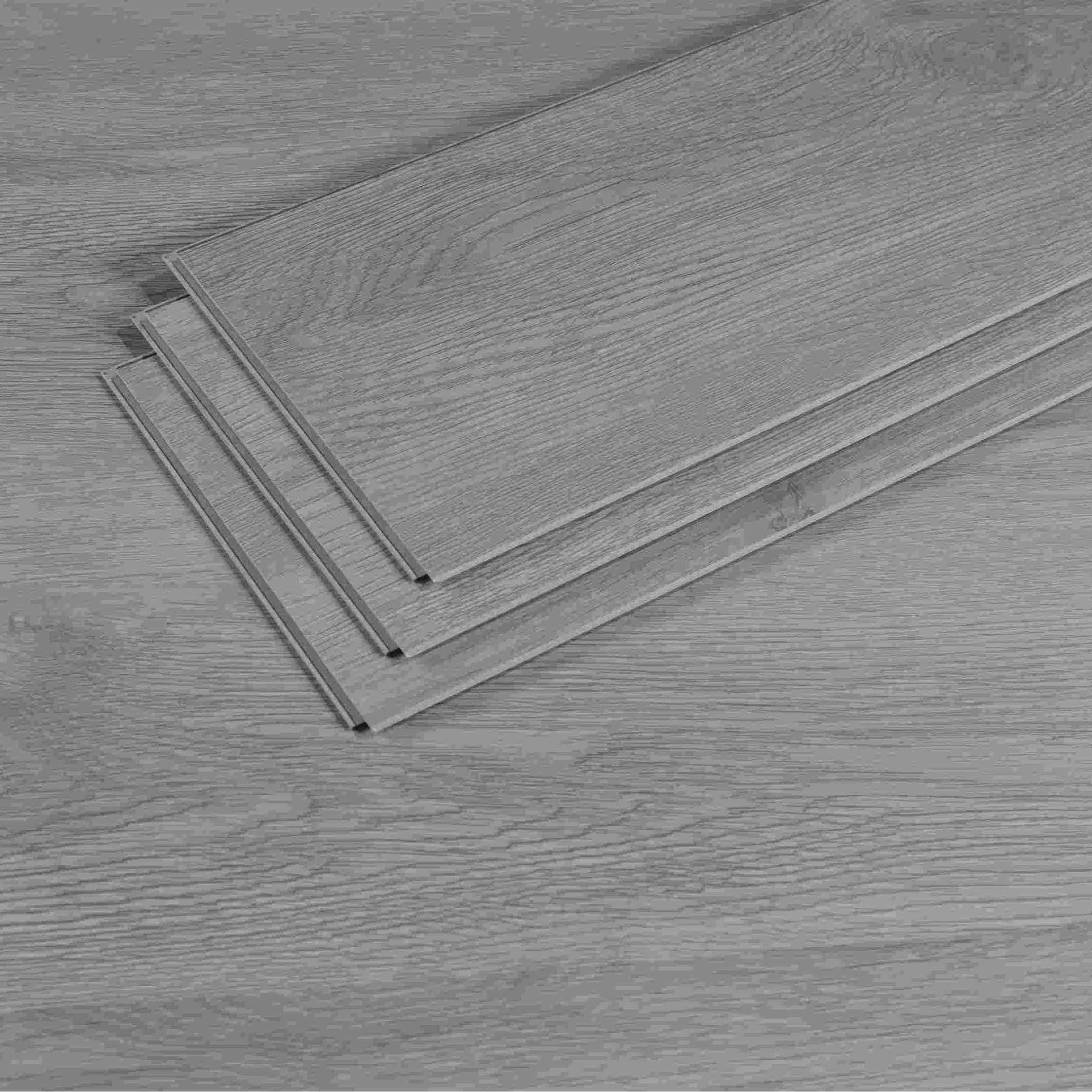
The color palette available in SPC Flooring ranges from traditional wood tones to contemporary gray washes and weathered finishes that complement modern interior design trends. Manufacturers continue to expand their collections with unique colorations and surface treatments that provide designers and homeowners with extensive creative possibilities for their renovation projects.
Stone and Tile Appearance Options
Beyond wood grain patterns, SPC Flooring manufacturers have developed impressive stone and ceramic tile reproductions that offer the visual appeal of natural materials without their associated maintenance requirements. These products feature realistic marble veining, travertine texturing, and slate patterns that provide sophisticated aesthetics for contemporary and traditional interior designs.
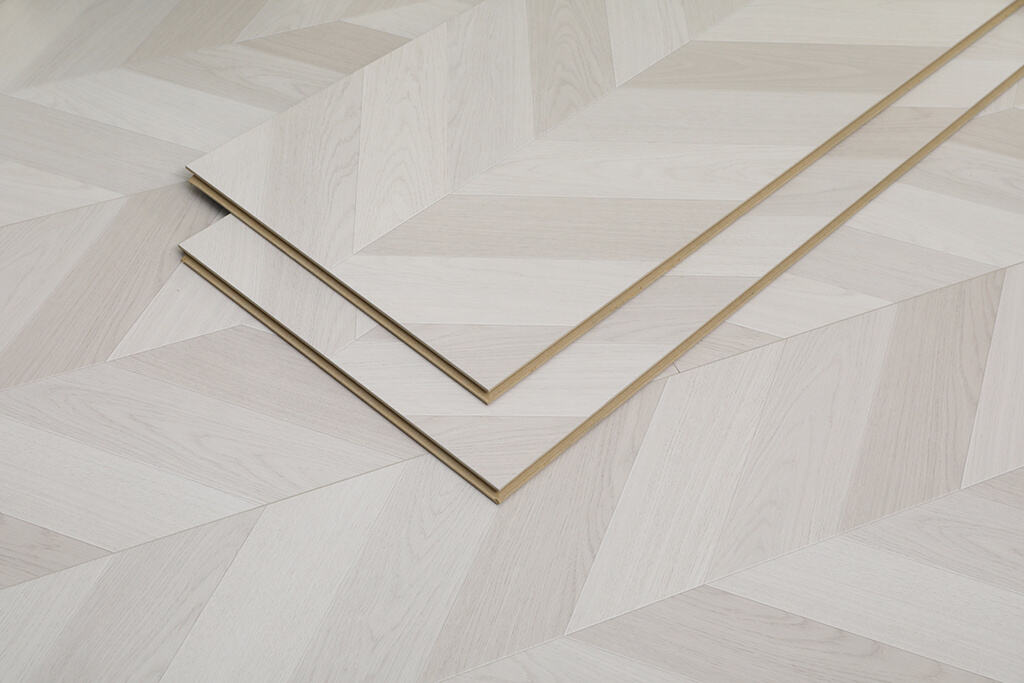
The plank and tile formats available in SPC Flooring allow for creative installation patterns, including herringbone, chevron, and mixed-width layouts that enhance visual interest and spatial perception. These design options enable homeowners to achieve custom appearances that rival expensive natural materials while maintaining the practical benefits of engineered flooring technology.
Maintenance Requirements and Long-Term Care
Daily Cleaning and Routine Maintenance
One of the primary advantages of SPC Flooring lies in its low maintenance requirements and resistance to common household challenges. Regular maintenance typically involves simple sweeping or vacuuming to remove dirt and debris, followed by damp mopping with pH-neutral cleaners designed for luxury vinyl products. The wear layer protection prevents most stains from penetrating the surface, making cleanup of spills and accidents relatively straightforward.
Unlike hardwood flooring that requires periodic refinishing or natural stone that needs regular sealing, SPC Flooring maintains its appearance and protection throughout its service life without additional treatments. This characteristic makes SPC Flooring particularly attractive for busy households or commercial applications where maintenance time and costs represent significant considerations.
Scratch Resistance and Repair Considerations
The aluminum oxide or urethane wear layers used in quality SPC Flooring products provide excellent resistance to scratches from furniture legs, pet claws, and everyday foot traffic. However, like all flooring materials, SPC Flooring can be damaged by sharp objects or excessive force. The good news is that individual planks can be replaced if damage occurs, thanks to the floating installation system that allows access to specific areas without disturbing the entire floor.
Preventive measures such as furniture pads, entry mats, and regular cleaning help maintain the appearance of SPC Flooring over its expected lifespan. Most manufacturers offer warranty coverage ranging from 10 to 30 years, depending on the product quality and intended application, providing confidence in the long-term performance of their SPC Flooring investments.
Cost Analysis and Value Proposition
Initial Investment and Installation Costs
The cost of SPC Flooring varies significantly based on quality levels, design complexity, and manufacturer specifications. Entry-level products may compete favorably with laminate flooring prices, while premium SPC Flooring options approach the cost range of engineered hardwood. However, when considering total project costs including installation labor, SPC Flooring often provides better value due to faster installation times and reduced subfloor preparation requirements.
Professional installation costs for SPC Flooring typically run lower than hardwood or ceramic tile projects due to the simplified installation process and reduced preparation work. Many homeowners with basic DIY skills can successfully install SPC Flooring themselves, potentially saving thousands of dollars on labor costs while achieving professional-quality results.
Long-Term Value and Return on Investment
The durability and low maintenance characteristics of SPC Flooring contribute to its excellent long-term value proposition. Unlike carpeting that requires replacement every 5-10 years or hardwood that needs refinishing every 7-10 years, quality SPC Flooring can maintain its appearance and functionality for 15-25 years with minimal intervention. This longevity translates to lower total cost of ownership over the flooring's service life.
From a resale value perspective, SPC Flooring appeals to potential buyers who appreciate the combination of attractive appearance and practical benefits. Real estate professionals note that homes with quality SPC Flooring often show well during property showings and may command higher asking prices compared to properties with outdated or worn flooring materials.
Environmental Considerations and Sustainability
Manufacturing Impact and Material Sourcing
The environmental impact of SPC Flooring depends largely on manufacturing practices and material sourcing policies employed by different producers. The limestone component typically represents the largest portion of the core material and is generally abundant and minimally processed. However, the PVC content raises questions about long-term environmental effects and end-of-life disposal considerations.
Leading SPC Flooring manufacturers have implemented recycling programs and developed production processes that minimize waste and energy consumption. Some companies offer products with recycled content or participate in take-back programs that divert used flooring materials from landfills. When evaluating environmental impact, consumers should research specific manufacturer policies and certifications.
Indoor Air Quality and Health Considerations
Modern SPC Flooring products undergo rigorous testing for volatile organic compound emissions and indoor air quality impact. Reputable manufacturers ensure their products meet or exceed industry standards for low-emission materials, with many achieving FloorScore or GreenGuard certification. These certifications provide assurance that SPC Flooring will not significantly impact indoor air quality when properly installed and maintained.
The non-porous surface of SPC Flooring resists harboring allergens, dust mites, and bacteria that can accumulate in carpeting or natural material pores. This characteristic makes SPC Flooring a favorable choice for households with allergy sufferers or individuals sensitive to indoor air quality issues.
FAQ
How does SPC Flooring compare to luxury vinyl plank flooring
SPC Flooring represents an evolution of luxury vinyl plank technology with a significantly denser and more stable core material. While traditional luxury vinyl planks use a softer PVC core, SPC Flooring incorporates limestone powder that creates superior dimensional stability and impact resistance. This difference makes SPC Flooring better suited for high-traffic areas and installation over imperfect subfloors, though both products share similar surface characteristics and maintenance requirements.
Can SPC Flooring be installed in basements and below-grade areas
Yes, the waterproof core of SPC Flooring makes it an excellent choice for basement installations and below-grade applications where moisture concerns eliminate other flooring options. The stone-plastic composition will not support mold growth or suffer damage from occasional flooding, provided proper installation techniques are followed. However, adequate vapor barriers and moisture management remain important for preventing issues with attached underlayments or adhesive bonds.
What is the expected lifespan of quality SPC Flooring in residential applications
High-quality SPC Flooring products typically provide 15-25 years of service life in residential applications, depending on traffic levels and maintenance practices. The wear layer thickness directly influences longevity, with products featuring 12-mil or thicker wear layers offering the best durability for family homes. Commercial-grade SPC Flooring with enhanced wear layers may last even longer in residential settings, making it a cost-effective long-term flooring solution.
Does SPC Flooring require special tools or skills for DIY installation
The click-lock design of most SPC Flooring products enables DIY installation with basic hand tools including a utility knife, tapping block, and pull bar. The rigid core material cuts cleanly without splintering, and the floating installation method eliminates the need for adhesives or fasteners. While professional installation ensures warranty compliance and optimal results, motivated homeowners with basic construction skills can successfully complete SPC Flooring projects following manufacturer guidelines and proper preparation procedures.
Table of Contents
- Understanding SPC Flooring Technology and Composition
- Installation Advantages and Flexibility
- Performance Characteristics and Durability Factors
- Aesthetic Options and Design Versatility
- Maintenance Requirements and Long-Term Care
- Cost Analysis and Value Proposition
- Environmental Considerations and Sustainability
- FAQ