 EN
EN
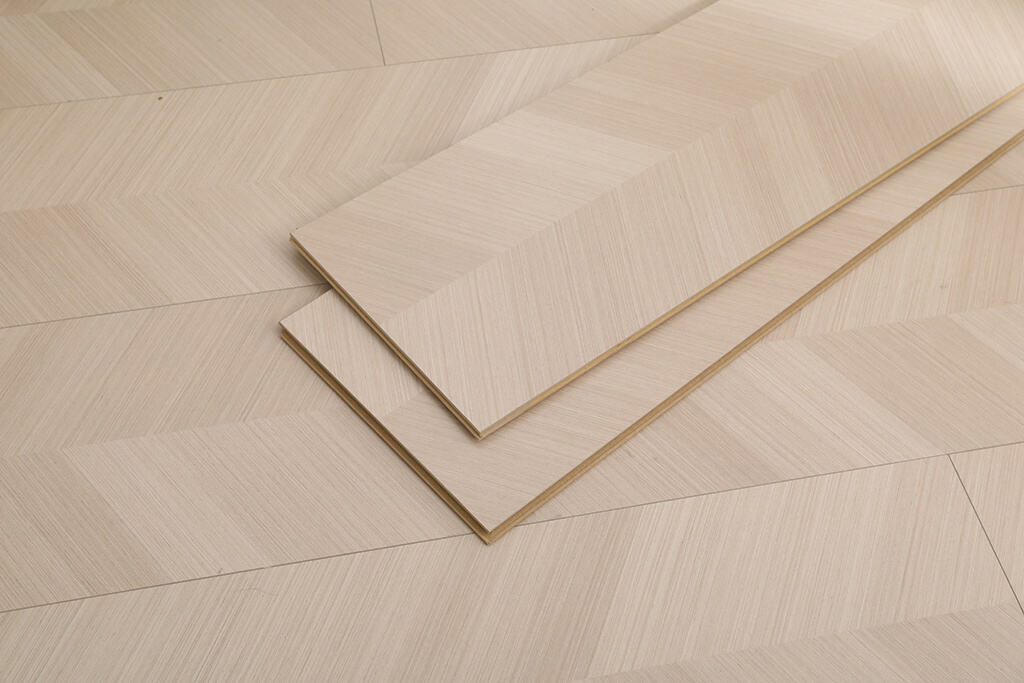
Homeowners and commercial property developers increasingly face the challenge of selecting flooring that balances aesthetic appeal, durability, and budget constraints. While traditional hardwood flooring has long been considered the premium choice, vinyl flooring has emerged as a compelling alternative that delivers remarkable value without compromising on visual appeal or performance. This modern flooring solution offers significant cost savings while providing many of the same benefits that make hardwood so desirable.
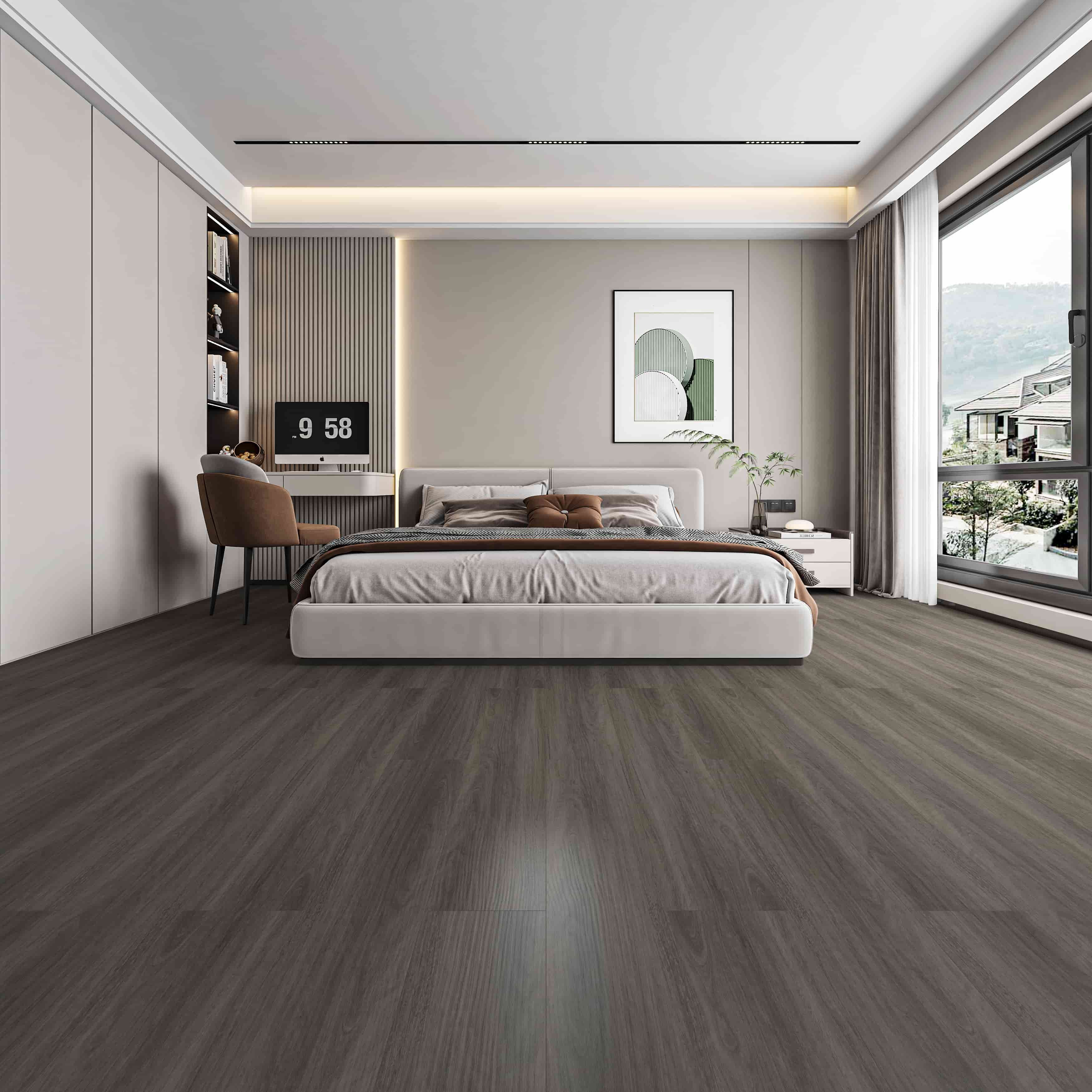
The flooring industry has witnessed remarkable technological advances that have transformed vinyl flooring from a basic covering option into a sophisticated alternative that rivals traditional materials. Contemporary vinyl flooring incorporates advanced manufacturing techniques, realistic textures, and enhanced durability features that make it an increasingly attractive option for both residential and commercial applications. Understanding the comprehensive benefits of this flooring solution helps property owners make informed decisions that align with their functional needs and financial goals.
Initial Investment and Material Costs
Purchase Price Comparison
The most immediate advantage of vinyl flooring becomes evident when comparing initial purchase costs with hardwood alternatives. High-quality vinyl flooring typically ranges from two to five dollars per square foot, while premium hardwood flooring can cost anywhere from eight to fifteen dollars per square foot or more. This substantial price difference means that homeowners can often cover their entire home with quality vinyl flooring for less than the cost of hardwood in a single room.
Premium vinyl flooring options that closely mimic exotic hardwoods or feature advanced wear layers still maintain significantly lower costs than their natural counterparts. Even when selecting luxury vinyl plank products with enhanced backing systems and superior imaging technology, the overall investment remains considerably more budget-friendly than traditional hardwood installations.
Installation Labor Savings
Installation costs represent another area where vinyl flooring demonstrates clear economic advantages over hardwood alternatives. Most vinyl flooring products feature click-lock systems or adhesive backing that simplifies the installation process and reduces labor requirements. Professional installation of vinyl flooring typically costs between one to three dollars per square foot, compared to hardwood installation which often ranges from four to eight dollars per square foot.
Many vinyl flooring products are designed for DIY installation, allowing skilled homeowners to eliminate professional installation costs entirely. The straightforward installation process, combined with forgiving cutting and fitting requirements, makes vinyl flooring an accessible project for many property owners. This installation flexibility provides additional cost savings that further enhance the economic appeal of vinyl flooring solutions.
Long-Term Maintenance and Durability Benefits
Reduced Maintenance Requirements
Ongoing maintenance costs significantly impact the total cost of ownership for any flooring system, and vinyl flooring excels in this critical area. Unlike hardwood floors that require periodic refinishing, special cleaning products, and careful moisture management, vinyl flooring maintains its appearance and performance with basic cleaning routines. Regular sweeping and occasional mopping with standard household cleaners are typically sufficient to keep vinyl flooring looking pristine.
Hardwood floors often require professional refinishing every five to ten years, depending on traffic levels and wear patterns. This refinishing process can cost three to five dollars per square foot and requires temporary relocation during the completion period. Vinyl flooring eliminates these recurring refinishing costs while maintaining consistent appearance throughout its service life, resulting in substantial long-term savings.
Enhanced Durability Performance
Modern vinyl flooring incorporates advanced wear layer technology that provides exceptional resistance to scratches, dents, and staining. These protective features ensure that vinyl flooring maintains its original appearance even in high-traffic areas where hardwood might show significant wear. The durability advantages of vinyl flooring translate directly into extended service life and reduced replacement frequency.
Water resistance represents another significant durability advantage of vinyl flooring over traditional hardwood. While hardwood floors can suffer permanent damage from moisture exposure, quality vinyl flooring withstands spills, humidity fluctuations, and even minor flooding events without structural compromise. This moisture resistance eliminates the risk of costly water damage repairs that can plague hardwood installations in kitchens, bathrooms, and basements.
Installation Flexibility and Time Efficiency
Versatile Substrate Compatibility
Vinyl flooring demonstrates remarkable versatility in installation scenarios that would prove challenging or impossible for hardwood alternatives. This flooring solution can be installed over existing flooring systems, concrete substrates, and irregular surfaces that would require extensive preparation for hardwood installation. The ability to install vinyl flooring over existing materials eliminates demolition costs and reduces installation timeframes significantly.
Subfloor preparation requirements for vinyl flooring are considerably less stringent than those required for hardwood installation. While hardwood floors demand perfectly level, dry, and stable substrates, vinyl flooring accommodates minor imperfections and substrate variations. This installation flexibility reduces preparation costs and enables vinyl flooring installation in locations where hardwood would be impractical or prohibitively expensive.
Accelerated Project Completion
The installation timeline for vinyl flooring projects typically spans one to three days for average-sized rooms, compared to hardwood installation which may require a week or more when factoring in acclimation periods and finishing processes. Vinyl flooring can often be walked on immediately after installation, while hardwood floors may require several days of curing time before normal use can resume.
This accelerated installation timeline reduces labor costs and minimizes disruption to daily routines. For commercial applications, the quick installation and immediate usability of vinyl flooring translates into reduced downtime and faster return to normal operations. The time efficiency of vinyl flooring installation represents a significant economic advantage that extends beyond simple material and labor cost savings.
Performance Characteristics and Aesthetic Appeal
Visual Realism and Design Options
Contemporary vinyl flooring has achieved remarkable visual realism that closely replicates the appearance of premium hardwood species. Advanced digital imaging technology and embossed texturing create vinyl flooring products that are virtually indistinguishable from natural wood when viewed from normal distances. This aesthetic achievement allows property owners to enjoy the visual appeal of hardwood while benefiting from the practical advantages of vinyl flooring.
The design flexibility of vinyl flooring exceeds that of natural hardwood in many respects. Manufacturers can create vinyl flooring that replicates rare or exotic wood species that would be prohibitively expensive in natural form. Additionally, vinyl flooring can incorporate design elements and color variations that would be impossible to achieve with natural materials, providing expanded creative possibilities for interior design projects.
Comfort and Performance Features
Many vinyl flooring products incorporate comfort features that enhance the user experience beyond what traditional hardwood can provide. Cushioned backing systems, integrated sound dampening layers, and thermal insulation properties create a more comfortable underfoot experience while reducing noise transmission between floors. These performance enhancements add value that justifies the selection of vinyl flooring over hardwood alternatives.
The dimensional stability of vinyl flooring eliminates the expansion and contraction issues that can affect hardwood floors in varying humidity conditions. This stability prevents gap formation, cupping, and other dimensional changes that can compromise the appearance and performance of hardwood installations. The consistent performance of vinyl flooring across diverse environmental conditions provides reliable long-term satisfaction.
Environmental and Health Considerations
Sustainable Manufacturing Practices
Modern vinyl flooring production incorporates sustainable manufacturing practices that reduce environmental impact while maintaining product quality. Many vinyl flooring manufacturers utilize recycled content, implement energy-efficient production processes, and design products for eventual recyclability. These environmental considerations align with growing consumer preferences for sustainable building materials.
The longevity of vinyl flooring contributes to its environmental benefits by reducing replacement frequency and associated waste generation. Quality vinyl flooring installations can provide decades of service without requiring replacement, minimizing the environmental impact associated with frequent flooring changes. This extended service life makes vinyl flooring an environmentally responsible choice that supports sustainable building practices.
Indoor Air Quality Benefits
Premium vinyl flooring products meet stringent indoor air quality standards and contribute to healthier indoor environments. Modern vinyl flooring formulations eliminate or minimize volatile organic compound emissions while maintaining superior performance characteristics. This focus on indoor air quality makes vinyl flooring suitable for sensitive environments including schools, healthcare facilities, and homes with family members who have respiratory concerns.
The smooth, non-porous surface of vinyl flooring resists allergen accumulation and simplifies cleaning routines that maintain healthy indoor environments. Unlike hardwood floors that can harbor dust, pollen, and other allergens in surface textures and crevices, vinyl flooring provides an easily maintained surface that supports better indoor air quality through simplified cleaning protocols.
Commercial Applications and ROI Analysis
High-Traffic Performance
Commercial vinyl flooring applications demonstrate exceptional performance in high-traffic environments where hardwood would show rapid wear and require frequent maintenance. Retail stores, office buildings, hospitality facilities, and educational institutions benefit from the durability and maintenance advantages that vinyl flooring provides. The ability to maintain appearance and performance under heavy use conditions makes vinyl flooring an economically sound choice for commercial applications.
The slip-resistant properties of many vinyl flooring products enhance safety in commercial environments while reducing liability concerns. This safety advantage, combined with low maintenance requirements and extended service life, creates compelling return on investment scenarios for commercial property owners who prioritize both economic and operational benefits.
Lifecycle Cost Analysis
Comprehensive lifecycle cost analysis reveals the true economic advantages of vinyl flooring over traditional hardwood alternatives. When factoring initial costs, installation expenses, ongoing maintenance requirements, and expected service life, vinyl flooring consistently demonstrates superior economic value. This analysis becomes particularly compelling in commercial applications where maintenance costs and operational disruptions have significant financial implications.
The predictable performance characteristics of vinyl flooring enable accurate budget planning for facility managers and property owners. Unlike hardwood floors that may require unexpected repairs or refinishing due to damage or wear, vinyl flooring provides consistent performance that simplifies long-term budgeting and reduces financial uncertainty associated with flooring maintenance.
FAQ
How long does vinyl flooring typically last compared to hardwood?
Quality vinyl flooring installations typically provide 15 to 25 years of service life with proper maintenance, while hardwood floors can last 50 to 100 years with periodic refinishing. However, when considering the total cost of ownership including refinishing expenses, vinyl flooring often provides better economic value over shorter evaluation periods. The specific service life depends on traffic levels, maintenance practices, and product quality.
Can vinyl flooring be installed in moisture-prone areas where hardwood cannot?
Yes, vinyl flooring excels in moisture-prone environments including bathrooms, kitchens, basements, and laundry rooms where hardwood installation would be problematic. The water-resistant properties of vinyl flooring eliminate concerns about moisture damage, warping, or mold growth that can affect hardwood installations in these challenging environments. This installation flexibility represents a significant practical advantage of vinyl flooring.
Does vinyl flooring add value to homes like hardwood flooring does?
While hardwood flooring traditionally commands higher resale premiums, high-quality vinyl flooring increasingly appeals to buyers who value low maintenance requirements and durability. The aesthetic improvements in modern vinyl flooring have narrowed the perceived value gap, particularly among buyers who prioritize practical benefits over traditional material preferences. The actual impact on home value depends on local market conditions and buyer preferences.
What are the main factors to consider when comparing vinyl flooring costs to hardwood?
Key cost comparison factors include initial material and installation costs, ongoing maintenance expenses, expected service life, and replacement frequency. Additionally, consider environmental factors such as moisture exposure, traffic levels, and usage patterns that affect long-term performance. The total cost of ownership analysis should include refinishing costs for hardwood and potential replacement cycles for both flooring types to provide accurate economic comparisons.