 EN
EN


Selecting the appropriate vinyl flooring thickness represents one of the most critical decisions in any flooring project, whether for residential or commercial applications. The thickness of vinyl flooring directly impacts durability, comfort underfoot, sound absorption, and overall performance throughout the product's lifespan. Understanding the relationship between vinyl flooring thickness and wear layer specifications enables property owners, contractors, and facility managers to make informed decisions that align with their specific requirements and budget considerations.
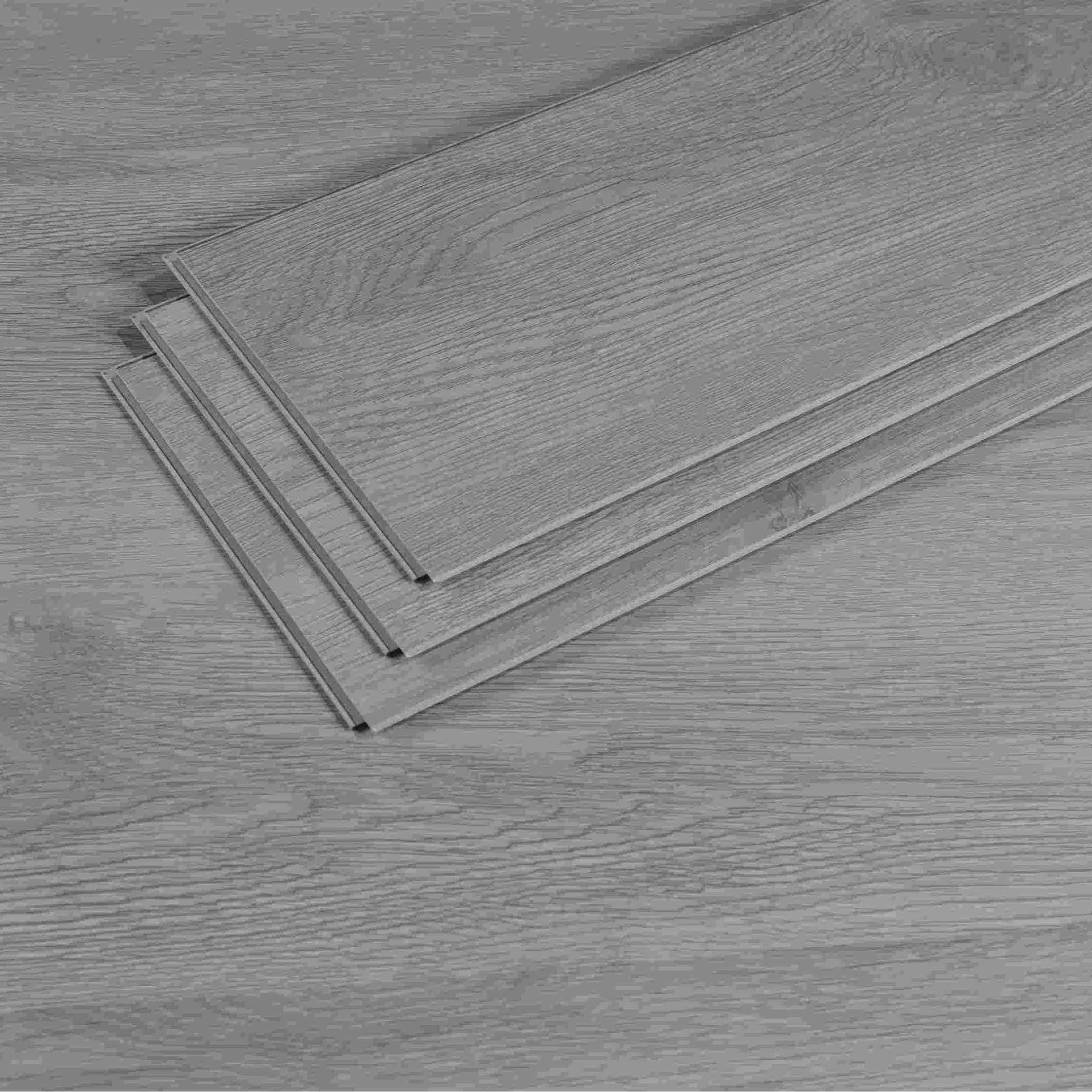
Modern vinyl flooring systems incorporate multiple layers designed to provide specific functional benefits, with thickness measurements varying significantly across different product categories. The total thickness affects installation requirements, subfloor preparation needs, and long-term maintenance expectations. Professional flooring contractors consistently emphasize that proper thickness selection prevents premature wear, reduces replacement costs, and ensures optimal performance in diverse environmental conditions.
Understanding Vinyl Flooring Construction and Thickness Components
Core Layer Impact on Overall Thickness
The core layer serves as the foundation of vinyl flooring systems, with rigid core options like SPC (Stone Plastic Composite) and WPC (Wood Plastic Composite) offering superior dimensional stability compared to traditional flexible vinyl options. SPC cores typically measure between 4mm to 8mm in thickness, providing exceptional resistance to temperature fluctuations and moisture exposure. The vinyl flooring thickness requirements for commercial applications often favor thicker core constructions that withstand heavy foot traffic and equipment loads without compromising structural integrity.
WPC cores generally range from 5mm to 12mm in thickness, incorporating foam layers that enhance comfort and thermal insulation properties. These thicker constructions excel in residential applications where comfort underfoot takes precedence over maximum durability requirements. The choice between core types significantly influences total vinyl flooring thickness and determines suitable installation methods, subfloor compatibility, and expected performance characteristics.
Wear Layer Specifications and Thickness Requirements
Wear layer thickness directly correlates with the flooring's resistance to scratches, stains, and daily wear patterns, making it essential to match wear layer specifications with anticipated usage levels. Commercial-grade vinyl flooring typically features wear layers ranging from 0.3mm to 0.7mm, while residential applications often utilize wear layers between 0.1mm and 0.3mm thickness. Understanding these specifications helps determine appropriate vinyl flooring thickness combinations that deliver optimal performance without unnecessary cost increases.
Premium vinyl flooring products incorporate advanced wear layer technologies that maximize protection while minimizing total thickness requirements. Ceramic bead coatings, aluminum oxide treatments, and polyurethane topcoats enhance wear resistance without significantly increasing overall vinyl flooring thickness. These innovations enable manufacturers to deliver superior performance characteristics within standard thickness parameters, optimizing both durability and installation flexibility.
Thickness Requirements for Different Applications
Commercial and Industrial Thickness Standards
Commercial environments demand vinyl flooring thickness specifications that accommodate intensive daily use, heavy equipment, and frequent maintenance activities. Healthcare facilities, educational institutions, and retail spaces typically require minimum thickness ranges between 2.5mm to 5mm for luxury vinyl planks, with wear layers exceeding 0.5mm to ensure longevity. Industrial applications may necessitate even greater vinyl flooring thickness parameters, particularly in manufacturing environments where chemical resistance and impact protection represent primary concerns.
Office buildings and corporate facilities often specify vinyl flooring thickness ranges between 3mm to 6mm, balancing durability requirements with acoustic performance needs. The additional thickness provides superior sound dampening properties, reducing noise transmission between floors and improving overall workplace comfort. Professional specification guidelines recommend evaluating traffic patterns, maintenance schedules, and replacement cycles when determining optimal vinyl flooring thickness for commercial applications.
Residential Application Thickness Guidelines
Residential vinyl flooring thickness selections focus on comfort, aesthetic appeal, and long-term value rather than maximum durability requirements. Living areas, bedrooms, and dining rooms typically utilize vinyl flooring thickness ranges between 2mm to 8mm, depending on subfloor conditions and homeowner preferences. Thicker options provide enhanced comfort underfoot and improved thermal insulation properties, particularly beneficial in multi-story residences or homes with concrete subfloors.
Kitchen and bathroom installations often require specific vinyl flooring thickness considerations due to moisture exposure and potential temperature fluctuations. Waterproof core constructions with thickness measurements between 4mm to 6mm offer optimal moisture resistance while maintaining dimensional stability. The selection process must account for transition strips, door clearances, and existing flooring height relationships to ensure seamless integration throughout the residence.
Technical Factors Affecting Thickness Selection
Subfloor Conditions and Preparation Requirements
Subfloor conditions directly influence appropriate vinyl flooring thickness selections, with uneven or damaged substrates requiring thicker products to mask imperfections and provide stable installation surfaces. Concrete subfloors with minor irregularities benefit from vinyl flooring thickness options exceeding 5mm, which can accommodate slight variations without telegraphing through the finished surface. Wooden subfloors in good condition may accept thinner vinyl flooring thickness options, provided proper acclimation and installation procedures are followed.
Underlayment requirements vary based on chosen vinyl flooring thickness and core construction types, with rigid core products often eliminating separate underlayment needs. Integrated padding systems within thicker vinyl constructions provide acoustic benefits and comfort enhancement without additional installation steps. Understanding these relationships helps contractors and property owners optimize vinyl flooring thickness selections while controlling total project costs and installation timelines.
Installation Method Compatibility
Different installation methods impose specific vinyl flooring thickness requirements that must be considered during the selection process. Click-lock systems typically accommodate vinyl flooring thickness ranges between 4mm to 12mm, with thicker options providing more robust locking mechanisms and improved joint stability. Glue-down installations work effectively with thinner vinyl flooring thickness options, starting at 2mm, but require precise adhesive selection and application techniques.
Floating installation methods benefit from increased vinyl flooring thickness parameters, which provide better stability and reduce the risk of movement or separation over time. The additional mass and rigidity of thicker constructions help maintain proper expansion gaps and prevent buckling in changing environmental conditions. Professional installers consistently recommend matching installation methods with appropriate vinyl flooring thickness specifications to ensure optimal long-term performance.
Performance Characteristics and Thickness Relationships
Acoustic Properties and Sound Control
Vinyl flooring thickness significantly impacts acoustic performance, with thicker constructions generally providing superior sound absorption and impact noise reduction capabilities. Multi-family residential buildings and commercial spaces benefit from vinyl flooring thickness selections that minimize noise transmission between floors and adjacent rooms. IIC (Impact Insulation Class) and STC (Sound Transmission Class) ratings improve substantially with increased vinyl flooring thickness, particularly when combined with appropriate underlayment systems.
Specialized acoustic vinyl flooring products incorporate dense core materials and integrated sound-dampening layers within optimized thickness profiles. These engineered solutions deliver exceptional acoustic performance while maintaining reasonable installation heights and door clearance requirements. The relationship between vinyl flooring thickness and acoustic properties must be evaluated alongside other performance criteria to achieve balanced results that meet specific project requirements.
Thermal and Moisture Performance
Thermal conductivity and moisture resistance characteristics vary with vinyl flooring thickness and core material composition, affecting comfort levels and long-term stability. Thicker vinyl constructions generally provide enhanced thermal insulation properties, reducing heat transfer and improving energy efficiency in climate-controlled environments. WPC cores within increased vinyl flooring thickness profiles offer superior thermal barriers compared to SPC alternatives, making them ideal for applications prioritizing comfort and energy conservation.
Moisture management capabilities improve with appropriate vinyl flooring thickness selections that incorporate waterproof core materials and edge sealing technologies. Thicker constructions provide greater dimensional stability when exposed to humidity fluctuations, reducing the risk of expansion, contraction, and associated installation failures. Understanding these relationships enables specification of vinyl flooring thickness parameters that deliver optimal environmental performance throughout the product's service life.
Cost Considerations and Value Analysis
Initial Investment and Thickness Premiums
Vinyl flooring thickness directly influences material costs, with thicker products commanding premium pricing due to increased raw material requirements and enhanced manufacturing complexity. Budget planning must account for thickness-related cost increases while evaluating long-term value propositions and lifecycle cost considerations. Commercial projects often justify higher initial investments in increased vinyl flooring thickness through extended replacement intervals and reduced maintenance requirements.
Value engineering exercises should compare total ownership costs across different vinyl flooring thickness options, including installation expenses, maintenance requirements, and expected service life. Thicker constructions may require specialized installation tools and techniques that increase labor costs, but these investments often deliver superior performance and longevity that offset initial premiums. Professional cost analysis considers all thickness-related factors to identify optimal value positions for specific applications and budget constraints.
Long-term Performance and Replacement Cycles
Extended service life expectations justify premium investments in increased vinyl flooring thickness for high-traffic commercial applications and demanding residential environments. Thicker wear layers and robust core constructions resist damage accumulation and maintain aesthetic appeal longer than thinner alternatives, reducing replacement frequency and associated disruption costs. Lifecycle cost analysis consistently demonstrates that appropriate vinyl flooring thickness selections deliver superior long-term value despite higher initial investments.
Maintenance requirements decrease with properly selected vinyl flooring thickness specifications that match application demands and environmental conditions. Thicker constructions resist damage from cleaning equipment, furniture movement, and daily wear patterns that can compromise thinner alternatives prematurely. The relationship between vinyl flooring thickness and maintenance costs represents a critical factor in total cost of ownership calculations and specification decision-making processes.
FAQ
What is the minimum vinyl flooring thickness recommended for high-traffic commercial areas
Commercial high-traffic areas should utilize vinyl flooring thickness of at least 4mm with wear layers exceeding 0.5mm to ensure adequate durability and longevity. Healthcare facilities, educational institutions, and retail environments benefit from thickness ranges between 4mm to 6mm, which provide optimal resistance to heavy foot traffic, equipment loads, and frequent maintenance activities while maintaining dimensional stability under demanding conditions.
How does vinyl flooring thickness affect installation over existing floors
Installing vinyl flooring over existing surfaces requires careful consideration of total thickness to maintain proper door clearances, transition strips, and height relationships throughout the space. Thicker vinyl products may necessitate door trimming, threshold adjustments, and custom transition pieces, while thinner options often install directly over existing floors with minimal modifications. Professional assessment of existing conditions and vinyl flooring thickness requirements ensures successful installation outcomes.
Does increased vinyl flooring thickness provide better insulation properties
Thicker vinyl flooring constructions, particularly those incorporating WPC cores with integrated foam layers, deliver enhanced thermal insulation and comfort underfoot compared to thinner alternatives. The additional material density and air-filled cellular structures within thicker profiles create effective thermal barriers that reduce heat transfer and improve energy efficiency in climate-controlled environments while providing superior comfort characteristics.
What factors determine the optimal wear layer thickness for vinyl flooring
Optimal wear layer thickness depends on anticipated traffic levels, maintenance schedules, and expected service life requirements. Residential applications typically utilize wear layers between 0.1mm to 0.3mm, while commercial environments require 0.3mm to 0.7mm thickness to withstand intensive daily use. The relationship between wear layer and total vinyl flooring thickness must balance durability requirements with cost considerations and performance expectations for specific applications.
Table of Contents
- Understanding Vinyl Flooring Construction and Thickness Components
- Thickness Requirements for Different Applications
- Technical Factors Affecting Thickness Selection
- Performance Characteristics and Thickness Relationships
- Cost Considerations and Value Analysis
-
FAQ
- What is the minimum vinyl flooring thickness recommended for high-traffic commercial areas
- How does vinyl flooring thickness affect installation over existing floors
- Does increased vinyl flooring thickness provide better insulation properties
- What factors determine the optimal wear layer thickness for vinyl flooring