 EN
EN
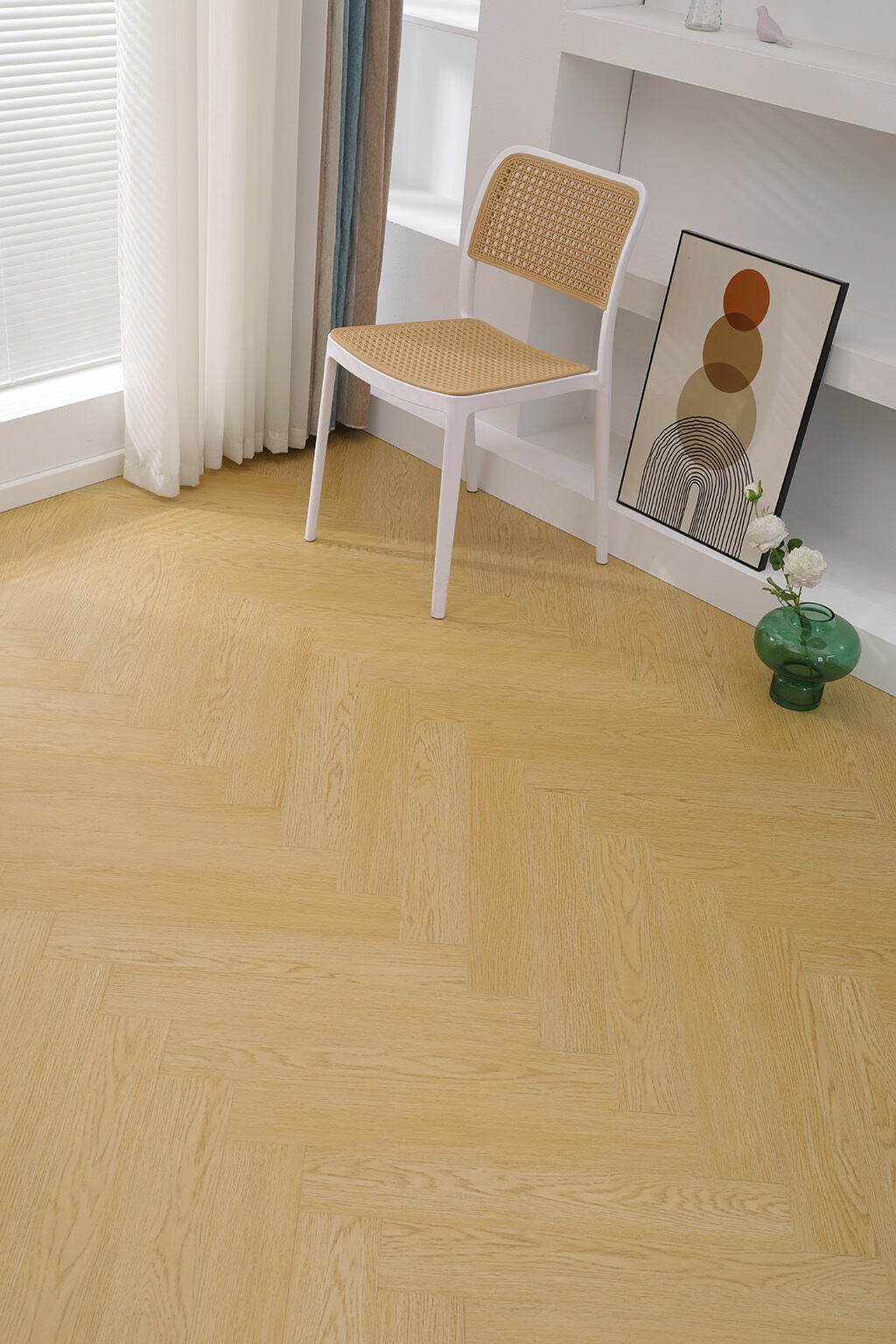
Vinyl flooring has emerged as one of the most versatile and practical flooring solutions in today's market, offering exceptional durability and aesthetic appeal across diverse environments. This innovative flooring material combines advanced manufacturing techniques with cutting-edge design elements to create surfaces that withstand heavy foot traffic while maintaining their visual appeal. The adaptability of vinyl flooring makes it an ideal choice for spaces ranging from busy commercial offices to cozy residential living rooms. Property owners and facility managers increasingly recognize the numerous advantages that vinyl flooring provides, including cost-effectiveness, easy maintenance, and remarkable longevity.
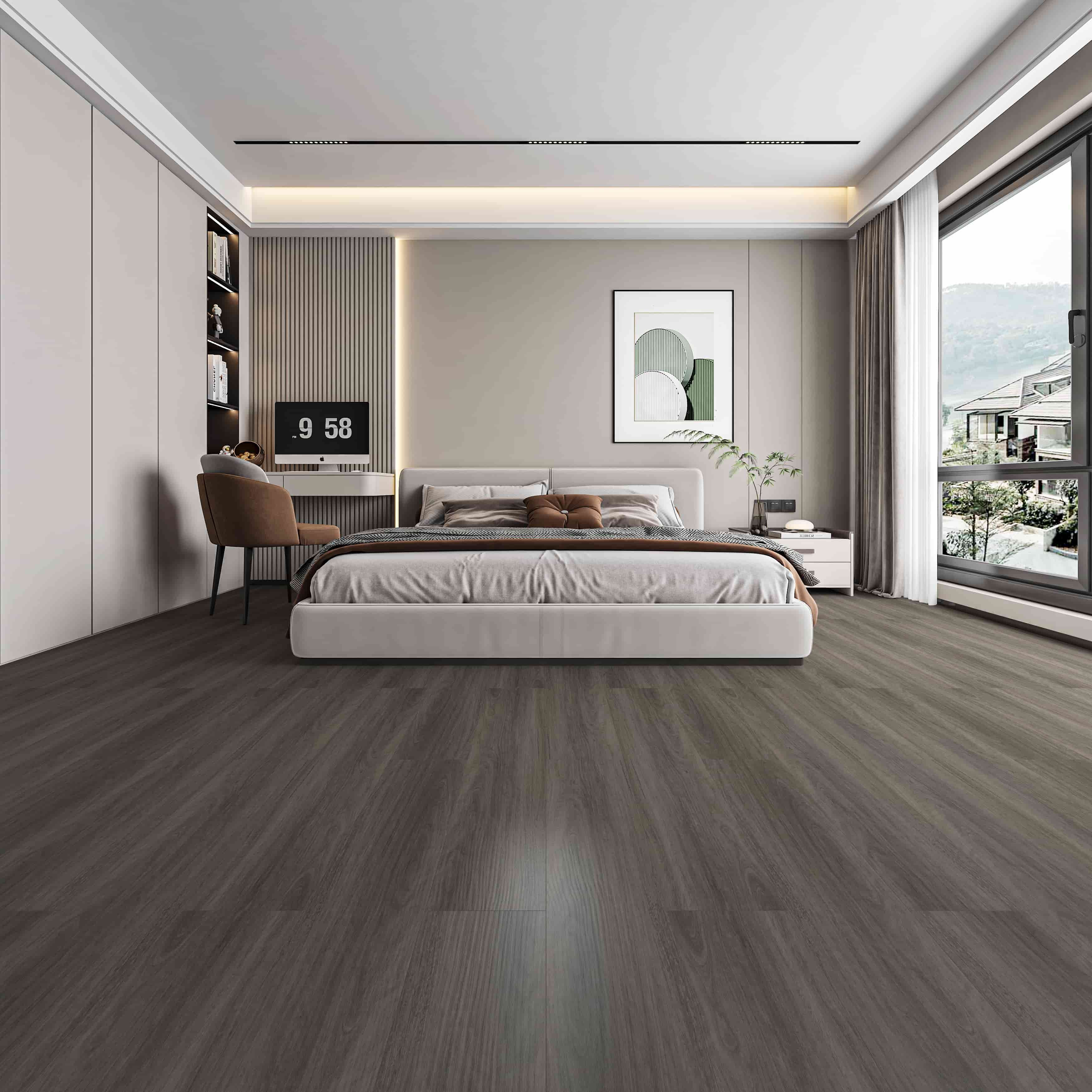
Understanding the Versatility of Modern Vinyl Flooring Systems
Advanced Manufacturing Technologies
Modern vinyl flooring incorporates sophisticated manufacturing processes that enhance its performance characteristics across different applications. The multi-layer construction typically includes a protective wear layer, decorative film, core material, and backing layer, each serving specific functional purposes. These technological advances enable vinyl flooring to replicate the appearance of natural materials like hardwood, stone, or ceramic tiles while providing superior moisture resistance and dimensional stability. Manufacturing innovations have also improved the acoustic properties of vinyl flooring, making it suitable for environments where noise reduction is essential.
The precision printing technologies used in creating decorative layers allow for incredibly realistic textures and patterns that closely mimic expensive natural materials. This manufacturing sophistication ensures that vinyl flooring maintains consistent quality standards while offering extensive design flexibility. Quality control measures during production guarantee that each plank or tile meets strict durability requirements, ensuring long-term performance in both residential and commercial settings.
Material Composition and Performance Benefits
The composition of vinyl flooring includes polyvinyl chloride resins, plasticizers, stabilizers, and various additives that contribute to its exceptional performance characteristics. These materials work together to create a flooring surface that resists scratches, dents, and stains while maintaining dimensional stability under varying environmental conditions. The chemical composition allows vinyl flooring to withstand exposure to cleaning chemicals and disinfectants commonly used in commercial facilities without deteriorating or losing its appearance.
Enhanced formulations include antimicrobial additives that inhibit the growth of bacteria and fungi, making vinyl flooring particularly suitable for healthcare facilities, restaurants, and educational institutions. The material's inherent flexibility prevents cracking and chipping, even under heavy loads or temperature fluctuations. These performance benefits make vinyl flooring an excellent investment for property owners seeking long-term value and minimal maintenance requirements.
Commercial Applications and Performance Requirements
High-Traffic Environment Solutions
Commercial spaces demand flooring solutions that can withstand intensive daily use while maintaining their appearance and functionality over extended periods. Vinyl flooring excels in high-traffic environments such as retail stores, office buildings, hospitals, and educational facilities where durability is paramount. The wear layer thickness in commercial-grade vinyl flooring is specifically engineered to resist abrasion from foot traffic, rolling carts, and furniture movement without showing premature signs of wear.
Installation techniques for commercial vinyl flooring often involve adhesive systems that create permanent bonds with subfloors, ensuring stability under heavy loads and frequent use. The seamless installation capabilities of sheet vinyl make it particularly suitable for areas requiring strict hygiene standards, such as food service establishments and medical facilities. Commercial vinyl flooring systems often include specialized backing materials that provide additional cushioning and sound absorption, contributing to comfortable working environments.
Maintenance and Operational Efficiency
The maintenance requirements for commercial vinyl flooring are significantly lower compared to traditional materials like carpet or natural stone, resulting in reduced operational costs for facility managers. Regular cleaning procedures typically involve sweeping, mopping with neutral pH cleaners, and periodic deep cleaning using specialized equipment. The non-porous surface of vinyl flooring prevents the absorption of spills and stains, allowing for quick cleanup and sanitization procedures essential in commercial environments.
Vinyl flooring's resistance to moisture eliminates concerns about mold and mildew growth, reducing indoor air quality issues and associated health risks. The durability of commercial-grade vinyl flooring means that replacement schedules can be extended significantly, resulting in lower lifecycle costs for property owners. Maintenance protocols for vinyl flooring can be easily integrated into existing facility management systems without requiring specialized training or equipment investments.
Residential Applications and Lifestyle Benefits
Home Design Flexibility and Aesthetic Options
Residential vinyl flooring offers homeowners unprecedented design flexibility with an extensive range of colors, patterns, and textures that complement various interior design styles. The ability to replicate the appearance of premium materials like exotic hardwoods or natural stone allows homeowners to achieve desired aesthetic goals without the associated costs and maintenance requirements. Modern vinyl flooring collections include options that feature realistic grain patterns, beveled edges, and embossed textures that enhance the authentic appearance of the flooring surface.
The installation versatility of residential vinyl flooring accommodates different subfloor conditions and room configurations, making it suitable for renovation projects where existing flooring removal may be challenging. Floating installation methods allow vinyl flooring to be installed over existing surfaces in many cases, reducing project costs and installation time. The variety of plank and tile sizes available enables creative layout patterns that can visually enhance room dimensions and architectural features.
Family-Friendly Performance Features
Family homes benefit significantly from the practical performance characteristics of vinyl flooring, particularly in areas prone to spills, moisture, and heavy use. The water-resistant properties of vinyl flooring make it ideal for kitchens, bathrooms, laundry rooms, and basement spaces where traditional flooring materials might suffer damage from moisture exposure. Pet-friendly features include scratch resistance and easy cleanup capabilities that address common concerns for pet owners seeking durable flooring solutions.
The softer surface of vinyl flooring provides more comfortable standing surfaces compared to ceramic tile or concrete, reducing fatigue during extended periods of standing. Sound-dampening properties help reduce noise transmission between floors, contributing to a more peaceful home environment. The hypoallergenic properties of vinyl flooring make it suitable for family members with allergies or respiratory sensitivities, as it does not harbor dust mites or allergens like carpet materials.
Installation Versatility and Technical Considerations
Subfloor Compatibility and Preparation Requirements
The installation flexibility of vinyl flooring extends to its compatibility with various subfloor types, including concrete, plywood, existing vinyl, and properly prepared tile surfaces. Proper subfloor preparation involves ensuring level surfaces, adequate moisture control, and structural stability to support the vinyl flooring system. Advanced vinyl flooring products can accommodate minor subfloor imperfections without telegraphing through to the surface, reducing preparation costs and installation time.
Moisture barrier systems integrated into vinyl flooring installations protect against subfloor moisture issues that could affect flooring performance over time. The ability to install vinyl flooring in below-grade applications makes it suitable for basement spaces where traditional hardwood flooring would be inappropriate. Technical specifications for subfloor preparation vary depending on the specific vinyl flooring product and installation method selected, requiring careful evaluation of site conditions.
Installation Methods and System Integration
Multiple installation methods for vinyl flooring accommodate different project requirements, budget constraints, and performance expectations. Glue-down installations provide maximum stability for heavy commercial applications, while click-lock floating systems offer easy installation and replacement capabilities for residential projects. Loose-lay vinyl flooring systems utilize friction and weight to maintain position, making them ideal for temporary installations or spaces requiring frequent access to subfloors.
Integration with existing building systems requires consideration of transitions to adjacent flooring materials, accommodation of HVAC penetrations, and coordination with electrical and plumbing installations. Professional installation ensures proper acclimation procedures, correct adhesive selection, and appropriate expansion gap allowances that prevent future performance issues. The compatibility of vinyl flooring with radiant heating systems expands installation possibilities in climate-controlled environments.
Environmental Impact and Sustainability Considerations
Sustainable Manufacturing Practices
Modern vinyl flooring manufacturing incorporates sustainable practices that reduce environmental impact while maintaining product quality and performance standards. Recycling programs for post-consumer and post-industrial vinyl materials help divert waste from landfills and reduce the demand for virgin raw materials. Energy-efficient manufacturing processes minimize the carbon footprint associated with vinyl flooring production, contributing to overall sustainability goals.
The longevity of vinyl flooring reduces the frequency of replacement cycles, resulting in lower cumulative environmental impact compared to flooring materials requiring more frequent renewal. Advanced formulations eliminate or minimize the use of harmful chemicals and volatile organic compounds, improving indoor air quality and reducing environmental concerns. Certification programs verify that vinyl flooring products meet strict environmental and health standards, providing assurance for environmentally conscious consumers.
End-of-Life Considerations and Recycling
The recyclability of vinyl flooring at the end of its useful life contributes to circular economy principles and sustainable waste management practices. Specialized recycling facilities can process old vinyl flooring into new products, reducing the need for virgin materials and minimizing landfill waste. Take-back programs offered by some manufacturers provide convenient disposal options for consumers and commercial customers seeking responsible end-of-life solutions.
The extended lifespan of quality vinyl flooring means that replacement cycles occur less frequently, reducing the overall volume of flooring waste generated over time. Proper disposal and recycling of vinyl flooring requires coordination with qualified waste management companies that can handle the material appropriately. Education about recycling options helps consumers make informed decisions about flooring disposal and replacement timing.
Cost Analysis and Value Proposition
Initial Investment and Installation Costs
The initial cost of vinyl flooring typically represents significant savings compared to premium natural materials while providing comparable aesthetic appeal and superior performance in many applications. Installation costs for vinyl flooring are generally lower than those associated with ceramic tile, natural stone, or hardwood flooring due to simplified preparation requirements and faster installation procedures. The availability of DIY-friendly installation options for residential applications can further reduce project costs for homeowners with basic construction skills.
Commercial vinyl flooring installations benefit from economies of scale in large projects, with per-square-foot costs decreasing as project size increases. The reduced need for specialized installation tools and techniques keeps labor costs competitive while ensuring quality results. Financing options available for commercial projects help businesses manage cash flow while upgrading their flooring systems with high-performance vinyl solutions.
Long-Term Value and Return on Investment
The durability and low maintenance requirements of vinyl flooring contribute to excellent long-term value propositions for both residential and commercial applications. Reduced replacement frequency means that the total cost of ownership for vinyl flooring is often lower than alternatives requiring more frequent renewal or intensive maintenance. The ability to refinish or repair localized damage without full replacement helps extend the useful life of vinyl flooring installations.
Property value enhancement from quality vinyl flooring installations provides additional return on investment, particularly in residential applications where updated flooring significantly impacts market appeal. Commercial properties benefit from reduced maintenance costs and improved tenant satisfaction, contributing to higher occupancy rates and rental income potential. The predictable performance characteristics of vinyl flooring enable accurate lifecycle cost planning and budgeting for facility managers.
FAQ
How long does vinyl flooring typically last in residential and commercial applications
High-quality vinyl flooring can last 15-25 years in residential applications with proper maintenance, while commercial-grade products may last 10-20 years depending on traffic levels and maintenance practices. The wear layer thickness and manufacturing quality significantly impact longevity, with thicker wear layers providing extended durability. Regular maintenance and proper installation techniques help maximize the lifespan of vinyl flooring in any application.
Can vinyl flooring be installed over existing flooring materials
Vinyl flooring can often be installed over existing materials such as ceramic tile, vinyl, and concrete, provided the surface is level, clean, and structurally sound. Proper preparation may require filling grout lines, removing loose materials, or applying leveling compounds to ensure optimal performance. Professional assessment of existing conditions helps determine the feasibility and requirements for overlay installations.
What maintenance procedures are required to keep vinyl flooring looking its best
Regular maintenance for vinyl flooring involves daily sweeping or vacuuming to remove dirt and debris, weekly mopping with neutral pH cleaners, and periodic deep cleaning as needed. Protective mats at entrances help reduce soil tracking, while furniture pads prevent scratching from chair and table legs. Prompt cleanup of spills and stains prevents permanent damage and maintains the appearance of the flooring surface.
Is vinyl flooring suitable for areas with high moisture exposure
Vinyl flooring excels in high-moisture environments such as bathrooms, kitchens, and basements due to its waterproof characteristics and resistance to humidity fluctuations. Proper installation with sealed seams and appropriate transitions prevents moisture infiltration that could affect subfloor materials. The non-porous surface prevents mold and mildew growth, making vinyl flooring ideal for areas where moisture control is essential for health and safety.
Table of Contents
- Understanding the Versatility of Modern Vinyl Flooring Systems
- Commercial Applications and Performance Requirements
- Residential Applications and Lifestyle Benefits
- Installation Versatility and Technical Considerations
- Environmental Impact and Sustainability Considerations
- Cost Analysis and Value Proposition
- FAQ