 EN
EN

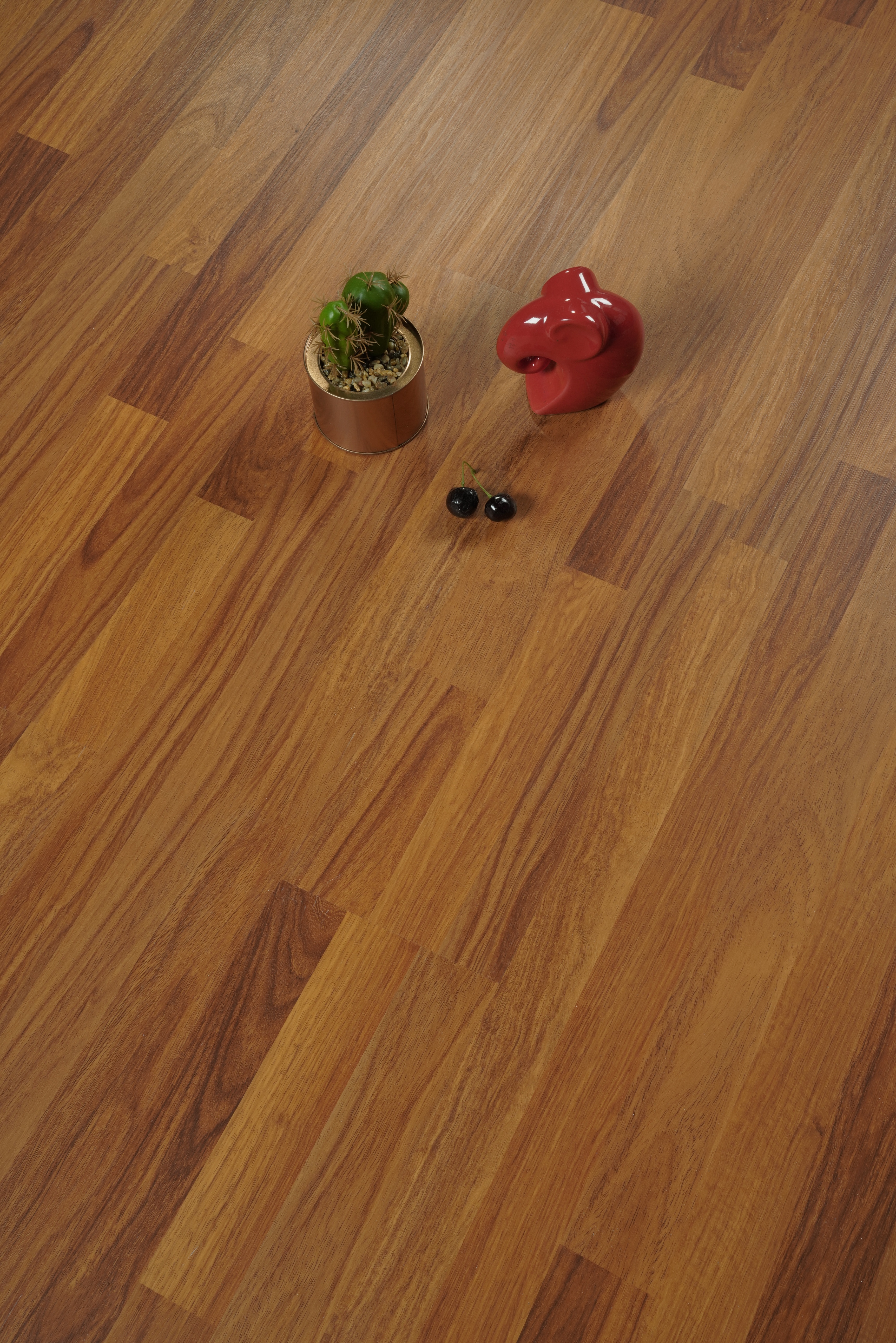
The distinctive herringbone pattern of fishbone flooring creates an elegant and sophisticated aesthetic that has captured the attention of homeowners and interior designers worldwide. This premium flooring option represents a significant investment in both style and functionality, yet many property owners remain uncertain about the comprehensive cost implications. Understanding the financial aspects of fishbone flooring installation requires careful consideration of multiple factors that extend beyond the initial material purchase price. From specialized installation techniques to long-term maintenance requirements, this comprehensive flooring solution demands a thorough evaluation of all associated expenses.
Material Cost Structure and Premium Pricing
Understanding Base Material Expenses
The foundation of fishbone flooring costs begins with the raw materials themselves, which typically command premium pricing compared to traditional plank installations. High-quality fishbone flooring products feature precision-engineered planks designed specifically for the intricate pattern assembly process. These specialized planks require enhanced manufacturing standards and quality control measures, directly impacting the overall material cost structure. The pricing differential often ranges from 15% to 40% above standard parallel installation formats.
Premium fishbone flooring materials incorporate advanced locking mechanisms and dimensional stability features that ensure long-term pattern integrity. The manufacturing process involves additional quality assurance steps, including precise dimensional tolerancing and enhanced surface finishing techniques. These specialized production requirements contribute to elevated material costs while delivering superior performance characteristics that justify the investment for discerning property owners.
Grade Classifications and Price Variations
Different grade classifications within the fishbone flooring category create substantial price variations that significantly impact overall project budgets. Premium grades feature superior wood species selection, enhanced grain matching capabilities, and advanced surface protection technologies. Mid-range options provide excellent value while maintaining essential quality standards for residential and commercial applications. Entry-level grades offer cost-effective solutions without compromising fundamental performance characteristics.
The grade selection process directly influences long-term value propositions, as higher-grade fishbone flooring typically demonstrates superior durability and aesthetic longevity. Professional consultations help property owners understand the correlation between initial material investments and long-term performance expectations. This strategic approach ensures optimal value realization while meeting specific project requirements and budget parameters.
Specialized Installation Requirements
Professional Labor and Expertise Premium
The intricate pattern complexity of fishbone flooring demands specialized installation expertise that commands premium labor rates. Certified installation professionals possess the technical skills and experience necessary to execute precise pattern alignment and seamless transitions. The labor-intensive installation process typically requires 20% to 50% additional time compared to standard plank installations, directly impacting overall project costs.
Professional installers must maintain strict attention to detail throughout the entire installation process to ensure pattern consistency and structural integrity. The specialized tools and techniques required for fishbone flooring installation represent additional cost factors that contribute to elevated labor expenses. These investments in professional expertise ultimately deliver superior installation quality and long-term performance reliability.
Additional Tools and Equipment Costs
Fishbone flooring installation requires specialized tools and equipment that extend beyond standard flooring installation kits. Precision measuring instruments, pattern alignment guides, and specialized cutting equipment ensure accurate pattern execution and minimize material waste. These tool requirements often necessitate additional equipment rental or purchase costs that must be factored into comprehensive project budgets.
The complexity of fishbone flooring patterns demands advanced layout planning and execution techniques that require professional-grade equipment. Laser levels, pattern templates, and specialized fastening systems contribute to installation precision while adding to overall project expenses. These tool investments directly correlate with installation quality and long-term pattern stability.
Design Complexity and Pattern Variations
Single versus Double Fishbone Patterns
The pattern complexity selection significantly influences fishbone flooring costs, with double patterns requiring substantially more materials and labor compared to single pattern configurations. Single fishbone patterns create elegant visual appeal while maintaining moderate installation complexity and material requirements. Double patterns deliver enhanced visual impact through increased pattern density but demand premium pricing due to material volume and installation time increases.
Pattern selection decisions directly impact waste calculations, as more complex configurations typically generate higher material waste percentages during installation. Professional pattern planning helps optimize material utilization while ensuring pattern continuity throughout the installation area. These planning investments contribute to overall cost efficiency while delivering superior aesthetic results.
Custom Pattern Integration
Custom fishbone flooring pattern integration creates unique design opportunities while introducing additional cost considerations that must be carefully evaluated. Border treatments, medallion insertions, and transitional pattern modifications require specialized design expertise and precision manufacturing capabilities. These custom elements typically command premium pricing while delivering distinctive aesthetic value that enhances overall property appeal.
The design development process for custom fishbone flooring patterns involves detailed planning and approval phases that extend project timelines and increase professional consultation costs. However, these investments in custom design elements create unique value propositions that significantly enhance property aesthetics and market positioning. The long-term value realization often justifies the initial custom pattern investment for discerning property owners.
Long-term Maintenance and Lifecycle Costs
Maintenance Protocol Requirements
The intricate pattern structure of fishbone flooring creates specific maintenance requirements that influence long-term ownership costs. The pattern joints and directional changes require specialized cleaning techniques and maintenance protocols to preserve aesthetic integrity over time. Professional maintenance services often command premium rates due to the specialized knowledge required for proper fishbone flooring care.
Routine maintenance investments help preserve the distinctive pattern characteristics that define fishbone flooring appeal. Specialized cleaning products and techniques ensure long-term pattern clarity while protecting the underlying material integrity. These ongoing maintenance considerations represent essential cost factors that contribute to total ownership expenses.
Replacement and Repair Considerations
Pattern-specific replacement requirements for fishbone flooring create unique cost considerations when addressing localized damage or wear issues. Individual plank replacement within the intricate pattern structure often requires professional expertise to maintain pattern continuity and structural integrity. The specialized skills required for pattern-matched repairs typically command premium service rates compared to standard flooring repair procedures.
Long-term replacement planning should consider material availability and pattern matching requirements that may influence future repair costs. Maintaining adequate spare material inventory helps ensure seamless repairs while managing long-term maintenance expenses. These proactive planning strategies contribute to overall value preservation and cost management throughout the flooring lifecycle.
Regional Cost Variations and Market Factors
Geographic Pricing Differences
Regional market conditions significantly influence fishbone flooring costs through variations in material availability, labor rates, and local demand patterns. Metropolitan markets typically feature higher installation costs due to elevated labor rates and increased demand for premium flooring solutions. Rural markets may offer more competitive pricing but potentially limited availability of specialized installation expertise.
Transportation and logistics costs contribute to regional price variations, particularly for specialized fishbone flooring materials that require careful handling and storage protocols. Local market competition among installation professionals influences service pricing and availability, creating regional cost differentials that must be considered during project planning phases.
Seasonal Demand Fluctuations
Seasonal demand patterns create price fluctuations that affect fishbone flooring project costs throughout different periods of the year. Peak construction seasons typically feature elevated material and labor costs due to increased market demand and reduced availability. Strategic project timing can help optimize cost efficiency while ensuring adequate professional availability for installation services.
Off-season scheduling opportunities often provide cost advantages through reduced material pricing and increased installation professional availability. These timing strategies require advance planning and flexible scheduling approaches that can deliver significant cost savings while maintaining project quality standards. Professional consultation helps identify optimal timing strategies for specific regional market conditions.
Value Assessment and Return on Investment
Property Value Enhancement
The premium aesthetic appeal of fishbone flooring typically generates substantial property value enhancement that helps offset initial installation investments. Real estate market analysis demonstrates consistent value appreciation for properties featuring high-quality fishbone flooring installations. The distinctive pattern creates lasting visual appeal that maintains market relevance across changing design trends and preferences.
Professional appraisal data indicates that fishbone flooring installations often recover 70% to 90% of initial investment costs through enhanced property valuations. This value retention characteristic makes fishbone flooring an attractive investment option for property owners seeking long-term value preservation and enhancement. The combination of aesthetic appeal and investment value creates compelling justification for premium pricing acceptance.
Long-term Performance Expectations
The durability characteristics of quality fishbone flooring justify initial cost premiums through extended service life expectations and reduced replacement frequency. High-performance materials and professional installation techniques combine to deliver superior longevity compared to standard flooring alternatives. These performance advantages translate into long-term cost efficiency despite higher initial investment requirements.
Comprehensive lifecycle cost analysis demonstrates that fishbone flooring often provides superior value propositions when evaluated over extended ownership periods. The combination of aesthetic longevity, structural durability, and maintenance efficiency creates favorable long-term cost profiles that support initial investment decisions. Professional performance warranties provide additional value assurance that enhances overall investment security.
FAQ
How much more expensive is fishbone flooring compared to regular hardwood
Fishbone flooring typically costs 25% to 50% more than standard hardwood installations due to specialized materials, complex installation requirements, and premium labor costs. The exact price differential depends on material grade selection, pattern complexity, and regional market conditions. Professional consultation provides accurate cost comparisons based on specific project requirements.
Can fishbone flooring be installed as a DIY project to reduce costs
While technically possible, DIY fishbone flooring installation is not recommended due to the precision requirements and specialized techniques involved. The pattern complexity demands professional expertise to ensure proper alignment, structural integrity, and long-term performance. Professional installation typically provides better value through superior results and warranty protection.
What factors contribute most significantly to fishbone flooring cost variations
Material grade selection, pattern complexity, and installation professional expertise represent the primary cost variables for fishbone flooring projects. Regional market conditions, seasonal demand, and custom design requirements also influence pricing structures. Comprehensive project planning helps identify optimization opportunities while maintaining quality standards.
Are there ongoing maintenance costs unique to fishbone flooring patterns
Fishbone flooring requires specialized cleaning techniques and maintenance protocols that may involve premium service costs compared to standard flooring maintenance. The pattern structure creates specific care requirements that preserve long-term aesthetic integrity and structural performance. Professional maintenance services ensure optimal pattern preservation throughout the flooring lifecycle.