diy floating floor
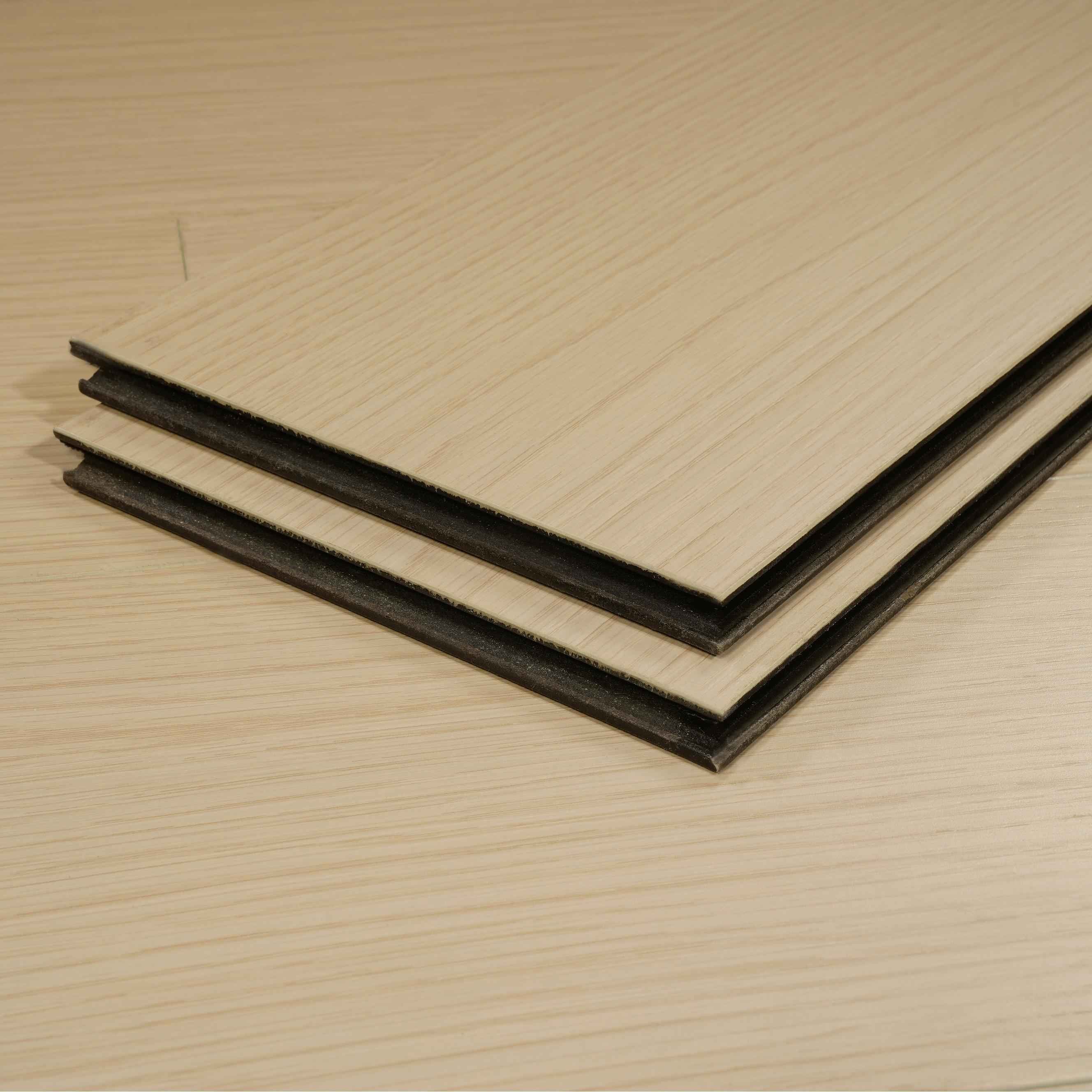
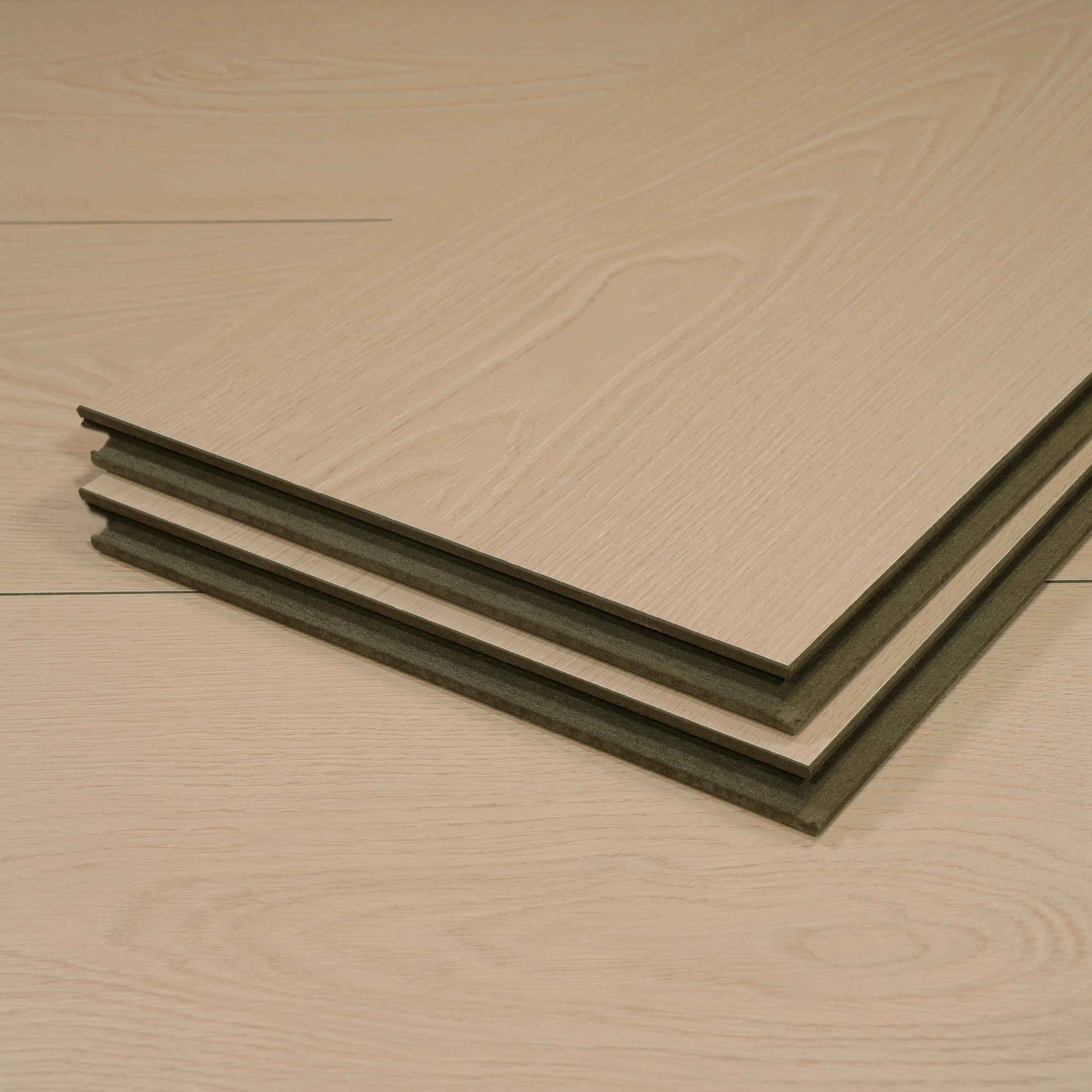
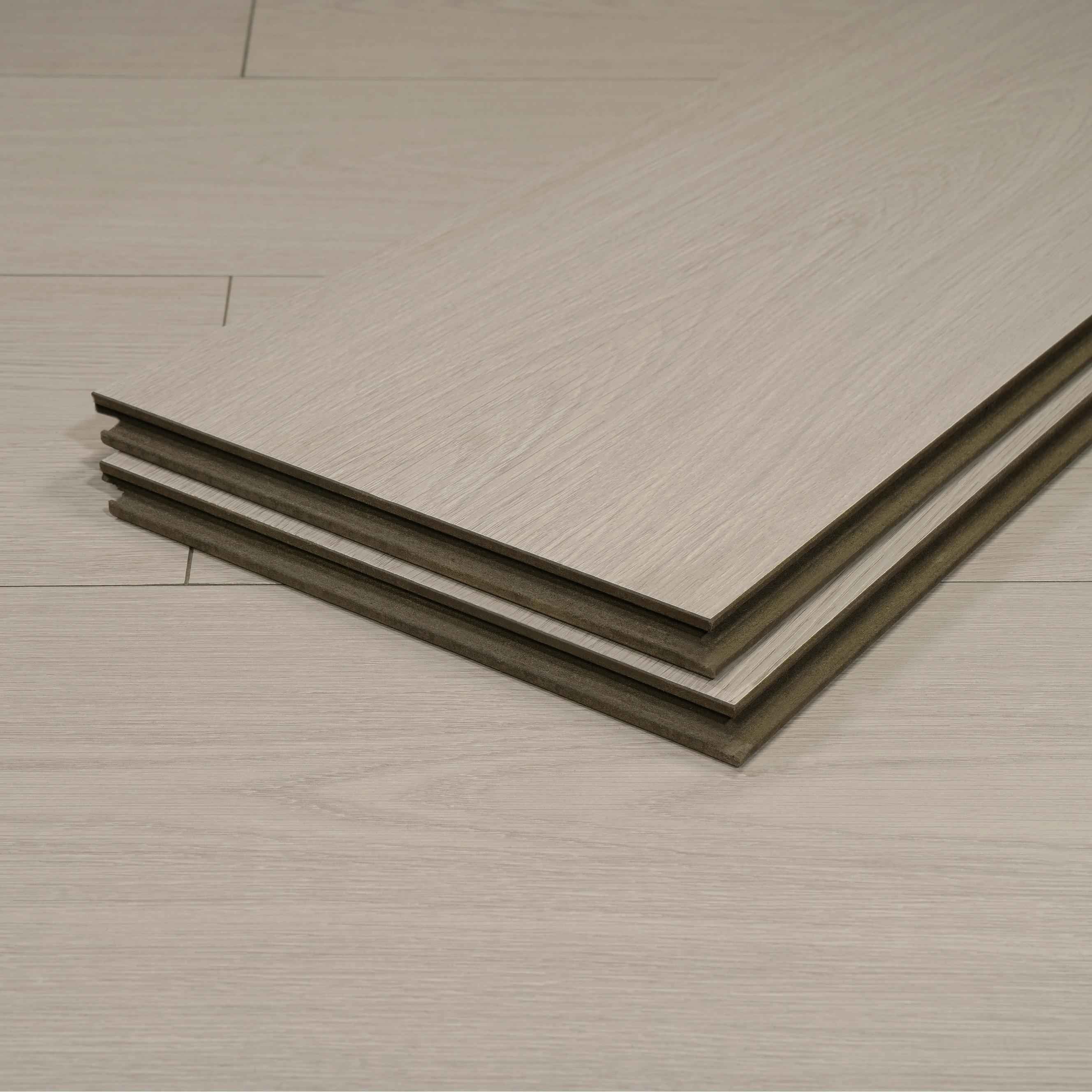
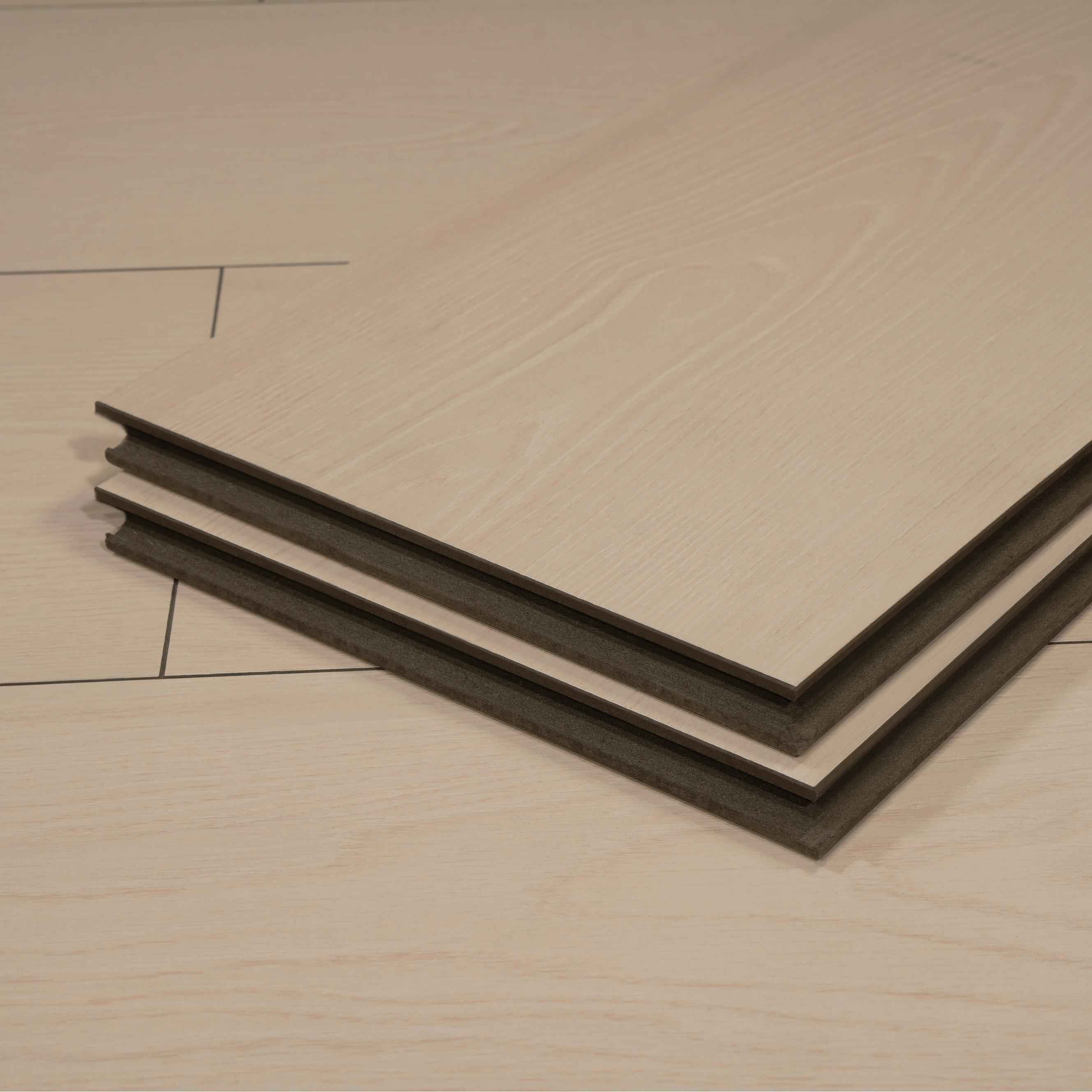
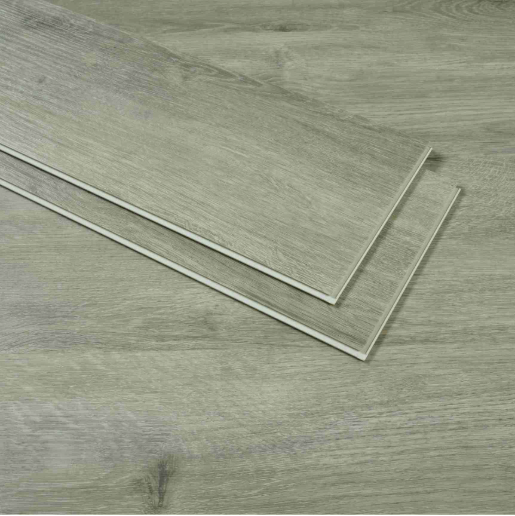
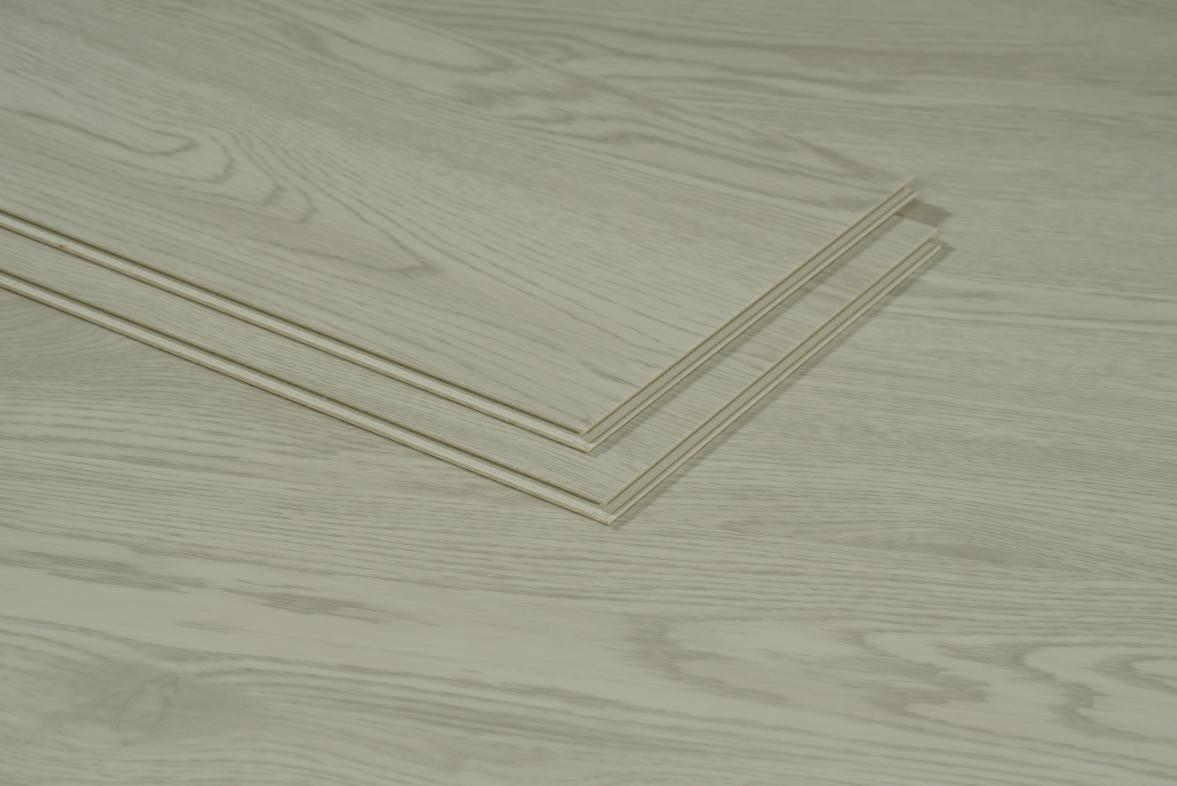
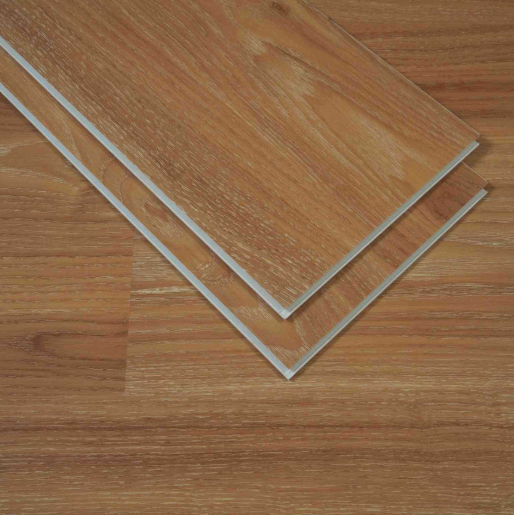
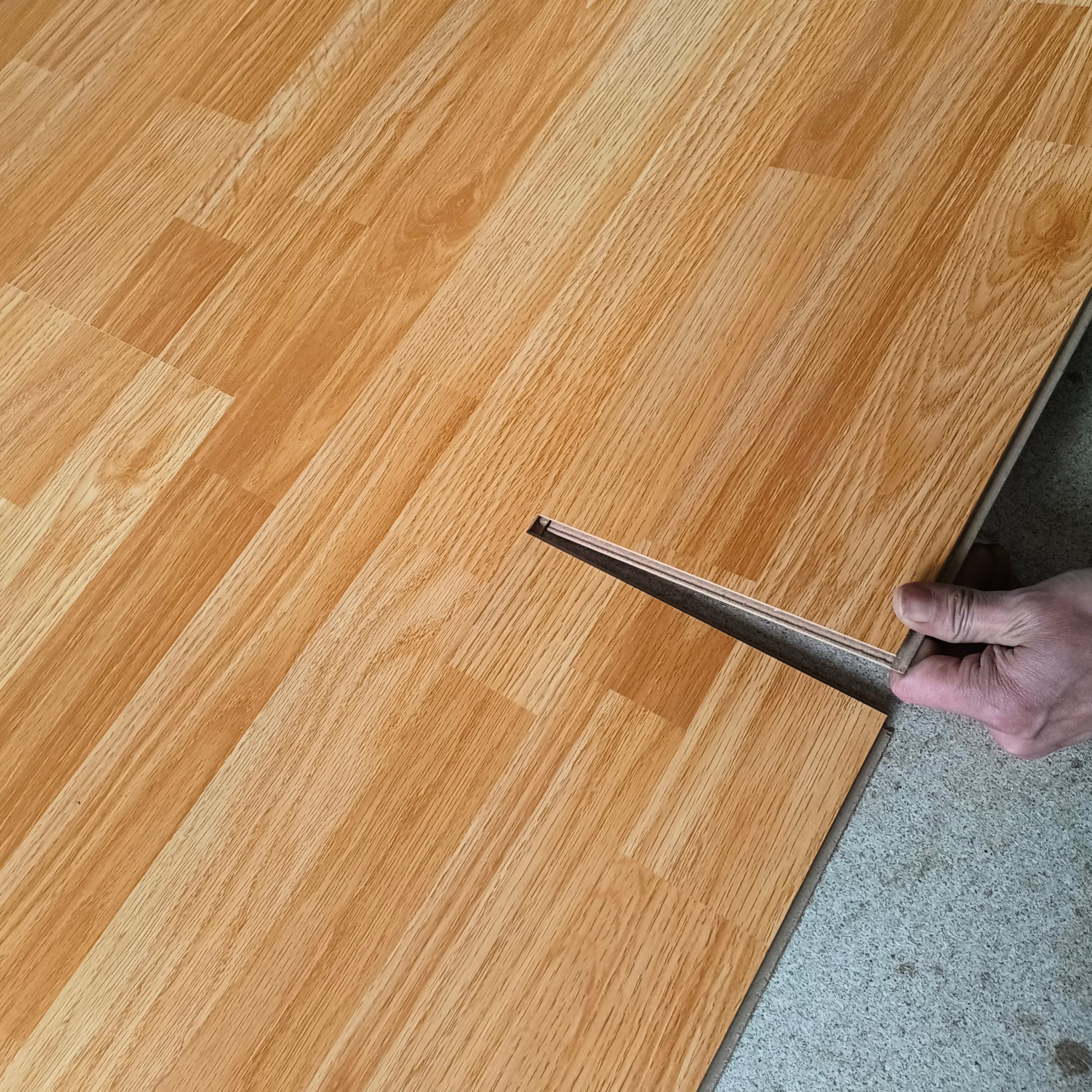
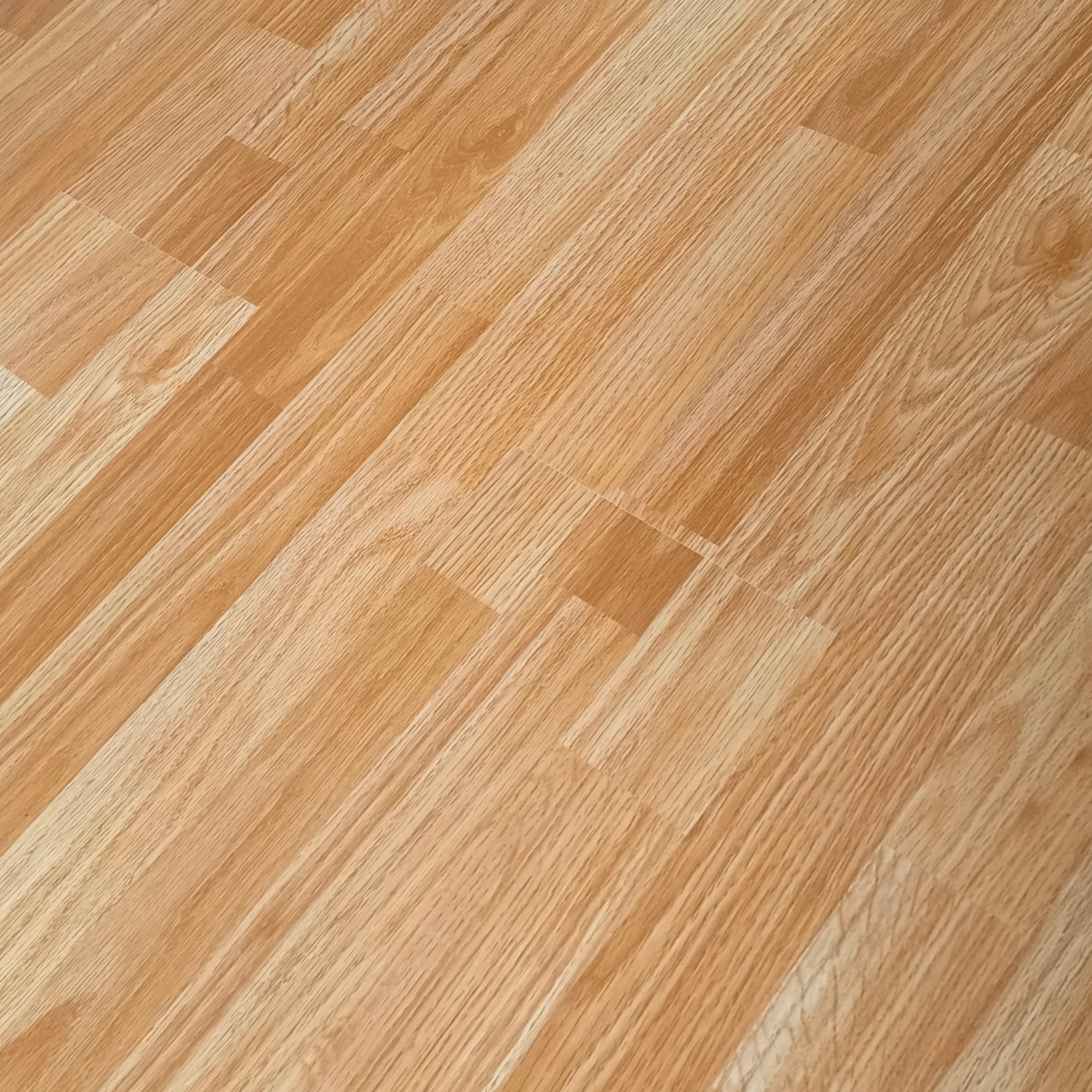
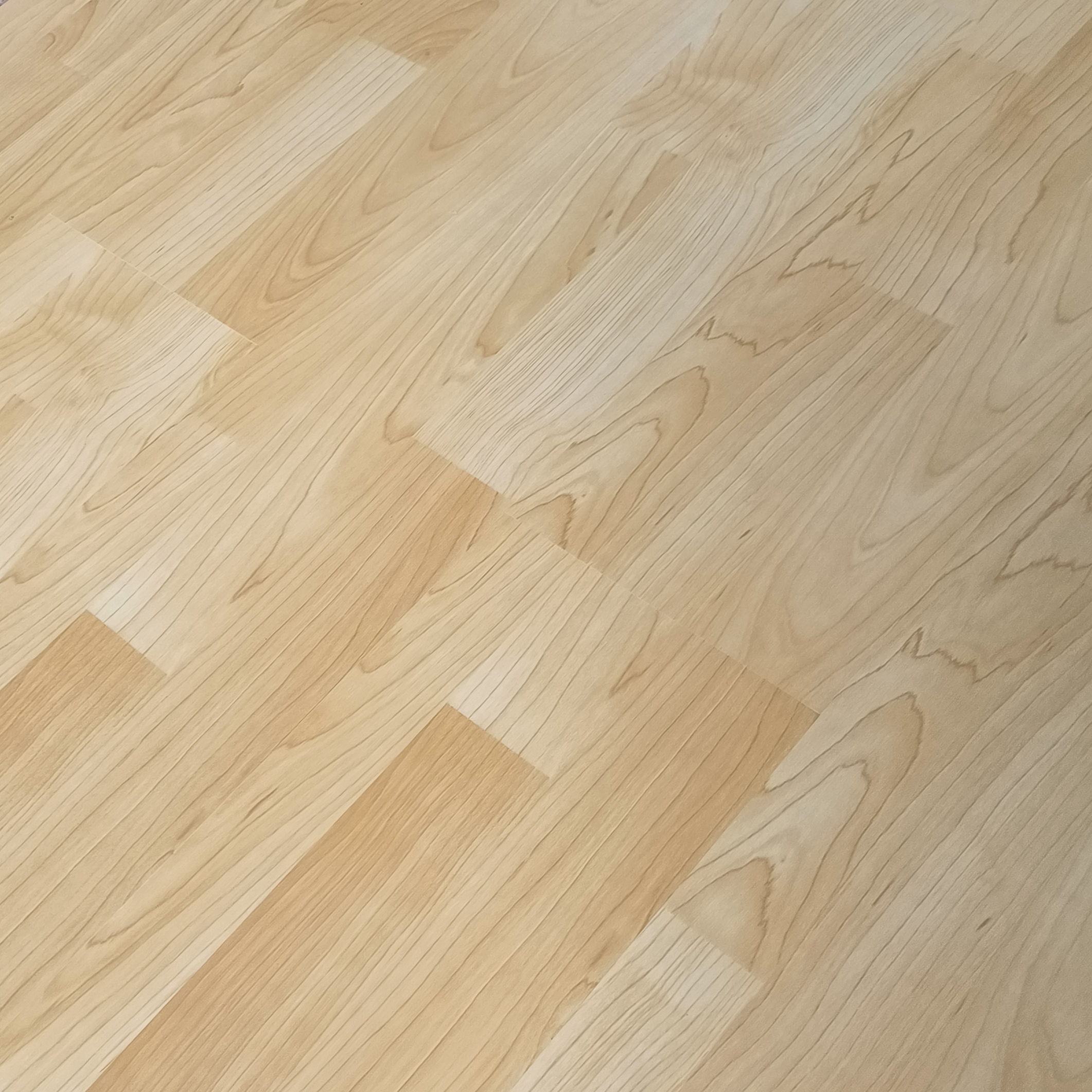
A DIY floating floor is an innovative flooring installation system that allows homeowners to install durable, attractive flooring without professional assistance. This flooring method gets its name from the way planks or tiles 'float' above the subfloor without being nailed, glued, or permanently attached. The DIY floating floor utilizes a click-lock or tongue-and-groove mechanism that enables individual pieces to connect seamlessly, creating a stable surface that rests on an underlying cushion or vapor barrier. This installation approach has revolutionized home improvement projects by making quality flooring accessible to average homeowners. The main functions include providing a finished floor surface that resists moisture, withstands daily wear, and enhances aesthetic appeal throughout residential and light commercial spaces. Technological features of the DIY floating floor encompass engineered locking systems that ensure tight connections between planks, multi-layer construction that adds stability and sound dampening properties, and protective coatings that resist scratches and stains. Applications span across various room types including living rooms, bedrooms, kitchens, basements, and offices. The DIY floating floor works exceptionally well over concrete slabs, existing tile, vinyl, and wooden subfloors, making it a versatile solution for renovation projects. This flooring system accommodates natural expansion and contraction of materials due to temperature and humidity changes, preventing buckling or warping that affects traditional installations. Whether you seek laminate, engineered hardwood, luxury vinyl, or bamboo options, the DIY floating floor system delivers professional results while empowering homeowners to complete installations independently and cost-effectively.
 EN
EN