 EN
EN

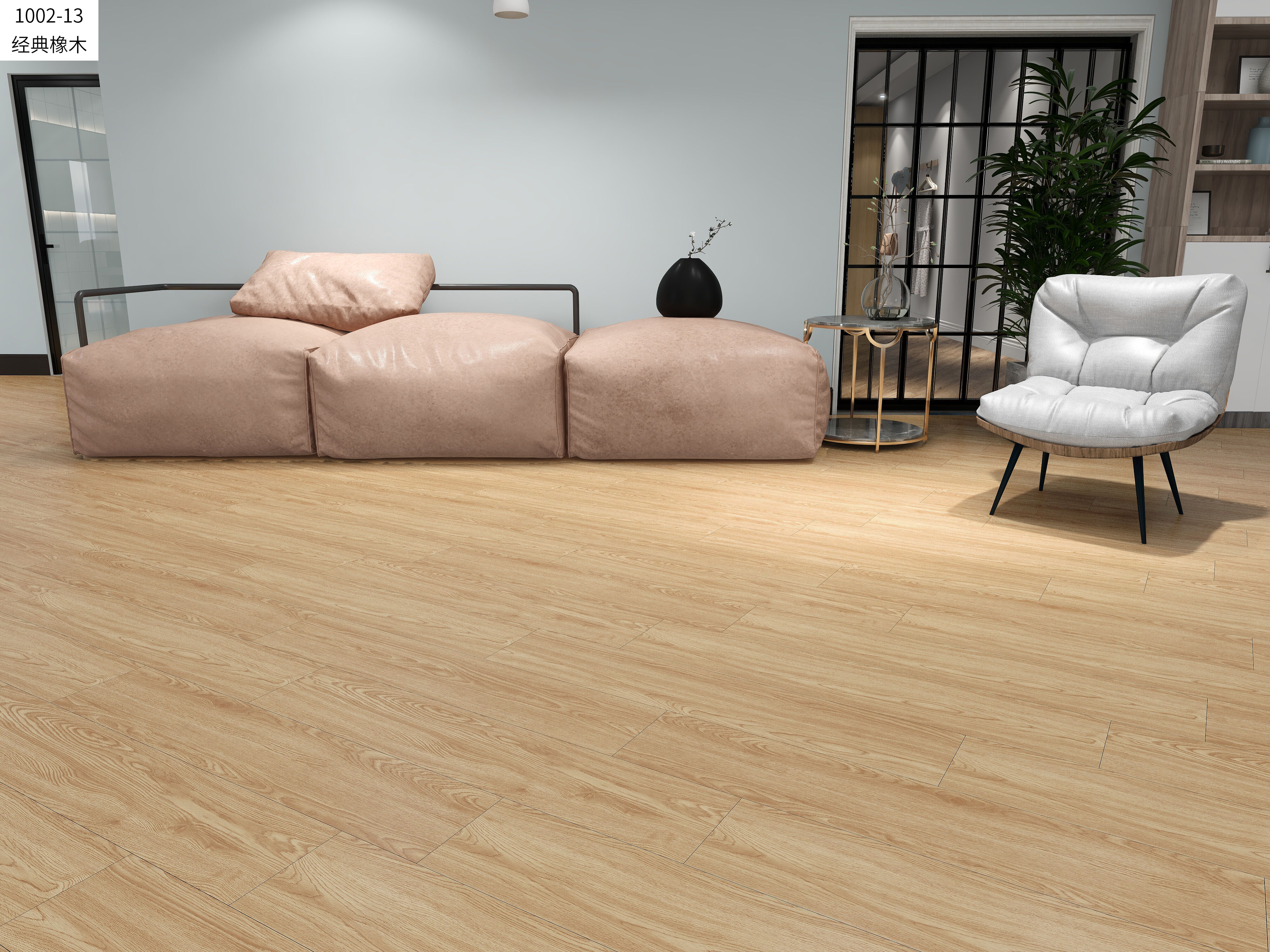
Selecting the perfect wooden floor for your interior design project requires careful consideration of various factors that extend beyond simple aesthetics. Modern homeowners and interior designers recognize that wooden floor choices significantly impact the overall ambiance, functionality, and long-term value of any living space. Understanding how different wooden floor types complement specific interior styles ensures a cohesive and visually appealing result that stands the test of time.
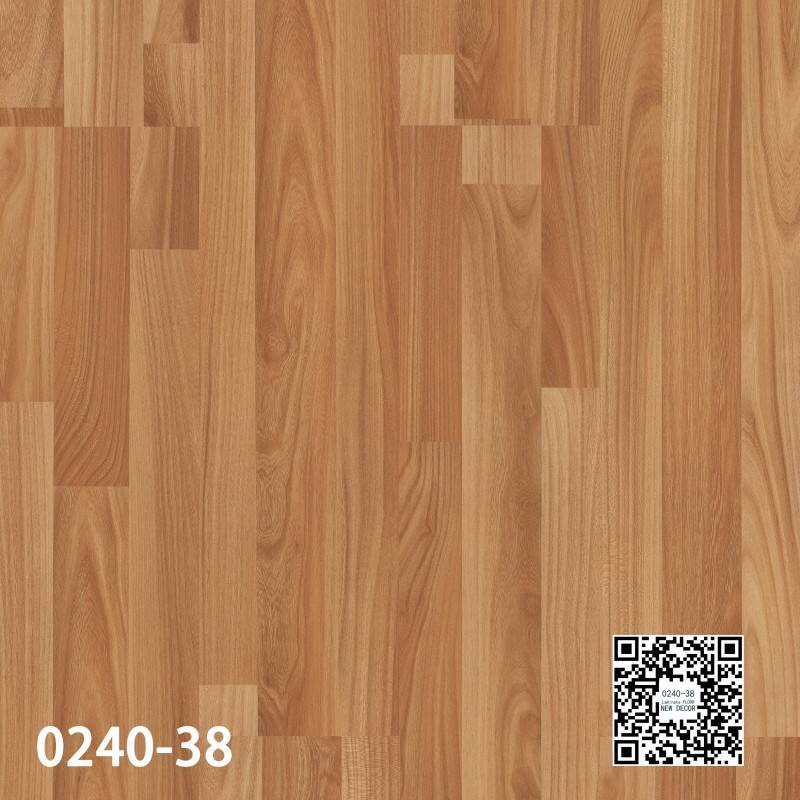
The contemporary flooring market offers extensive wooden floor options, from traditional hardwood planks to engineered solutions that provide enhanced durability and moisture resistance. Each wooden floor variety brings unique characteristics in terms of grain patterns, color variations, and surface textures that can dramatically influence the perceived style and sophistication of interior spaces. Professional designers often emphasize that the right wooden floor selection serves as the foundation upon which all other design elements build their visual harmony.
Understanding Wood Species and Their Style Compatibility
Traditional Hardwood Options for Classic Interiors
Classic interior design schemes benefit tremendously from traditional hardwood wooden floor installations that emphasize natural wood characteristics and timeless appeal. Oak wooden floor varieties remain the most popular choice for traditional settings due to their prominent grain patterns and warm undertones that complement period furniture and classical architectural elements. The natural durability of oak wooden floor products ensures longevity while maintaining the authentic character that traditional interior styles demand.
Maple wooden floor selections offer lighter color palettes that work exceptionally well in colonial and farmhouse interior designs. The subtle grain patterns of maple wooden floor installations create visual continuity without overwhelming decorative elements like antique furniture or vintage accessories. Cherry wooden floor options provide rich, warm tones that deepen over time, making them ideal for formal dining rooms and libraries where traditional elegance takes precedence.
Contemporary Wood Choices for Modern Aesthetics
Modern interior design schemes require wooden floor solutions that emphasize clean lines, minimal grain patterns, and consistent color distribution throughout the installation area. Engineered wooden floor products often provide superior performance in contemporary settings while maintaining the authentic appearance of natural wood materials. These advanced wooden floor systems resist moisture fluctuations and dimensional changes that can compromise the sleek appearance modern designs require.
Bamboo and eucalyptus represent sustainable wooden floor alternatives that align perfectly with environmentally conscious modern interior designs. These rapidly renewable wooden floor materials offer unique aesthetic qualities including lighter color ranges and distinctive grain patterns that complement minimalist furniture and contemporary architectural features. The consistent appearance of these wooden floor products supports the clean, uncluttered visual themes that define modern interior styling.
Color Coordination and Interior Style Matching
Light Wood Tones for Scandinavian and Minimalist Designs
Scandinavian interior design philosophy emphasizes natural light, clean lines, and pale color palettes that create spacious, airy environments. Light-colored wooden floor installations perfectly complement these design principles by reflecting available natural light and creating visual continuity with white and neutral wall treatments. Pine and birch wooden floor options provide the pale tones and subtle grain patterns that Scandinavian aesthetics require while maintaining the warmth and texture that prevent spaces from feeling sterile or impersonal.
Minimalist interior designs benefit from consistent, light-toned wooden floor installations that serve as neutral foundations for carefully selected furniture and accent pieces. The simplicity of pale wooden floor surfaces allows architectural features and selected decorative elements to command visual attention without competition from busy floor patterns or dramatic color variations. White-washed or bleached wooden floor treatments create sophisticated backgrounds that support the refined simplicity minimalist designs celebrate.
Dark Wood Selection for Formal and Traditional Settings
Formal interior designs often require the gravitas and sophistication that dark wooden floor installations provide through rich color depth and dramatic visual impact. Walnut wooden floor selections offer deep chocolate tones with distinctive grain patterns that complement traditional furniture styles and formal window treatments. The inherent elegance of dark wooden floor surfaces creates appropriate foundations for entertaining spaces where sophistication and refinement take priority over casual comfort.
Mahogany and ebony represent premium dark wooden floor options that deliver exceptional visual impact in formal dining rooms, libraries, and executive office environments. These luxurious wooden floor materials demonstrate quality and attention to detail that formal interior designs require while providing the durability necessary for high-traffic entertaining areas. The deep color saturation of premium dark wooden floor installations creates dramatic backdrops for fine furnishings and architectural millwork details.
Texture and Finish Considerations
Smooth Finishes for Contemporary Applications
Contemporary interior design schemes typically favor smooth, consistent wooden floor surfaces that emphasize clean lines and minimize visual texture that might compete with architectural features or furniture selections. Satin and semi-gloss wooden floor finishes provide durability while maintaining the sleek appearance contemporary aesthetics demand. These refined wooden floor treatments reflect light evenly across surface areas, contributing to the bright, open feeling that characterizes successful contemporary interior designs.
High-gloss wooden floor finishes create mirror-like surfaces that dramatically increase perceived space dimensions while adding sophisticated glamour to modern interior environments. However, these reflective wooden floor treatments require careful consideration of lighting design to prevent unwanted glare or harsh reflections that could compromise visual comfort. Professional installation ensures that smooth wooden floor surfaces maintain their pristine appearance while providing the slip-resistance necessary for safe daily use.
Distressed and Textured Options for Rustic Styles
Rustic interior design themes benefit from wooden floor installations that emphasize natural character marks, including knots, grain variations, and surface textures that celebrate wood's organic origins. Hand-scraped wooden floor treatments create subtle surface irregularities that add visual interest while maintaining the durability modern lifestyles require. These textured wooden floor surfaces complement rustic furniture styles and natural material palettes that define country and lodge-inspired interior designs.
Wire-brushed wooden floor finishes enhance natural grain patterns by removing softer wood fibers, creating subtle surface texture that feels pleasant underfoot while adding visual depth to floor installations. This wooden floor treatment works particularly well in casual living areas where comfort and relaxed atmospheres take precedence over formal presentation. The enhanced texture of brushed wooden floor surfaces provides better traction while creating the authentic, lived-in character that rustic interior styles celebrate.
Size and Pattern Layout Strategies
Plank Width Selection for Different Space Dimensions
The width of wooden floor planks significantly influences perceived space dimensions and overall design impact within interior environments. Wide-plank wooden floor installations create bold, dramatic statements that work exceptionally well in larger rooms where expansive floor areas can accommodate the visual weight of broad wooden floor surfaces. These generous wooden floor planks emphasize the natural beauty of wood grain patterns while reducing the number of seam lines that can create visual busy-ness in open floor plans.
Narrow wooden floor planks provide versatility in smaller spaces where proportional relationships between floor elements and room dimensions become critical design considerations. Standard 3-inch wooden floor planks create timeless appeal that works across multiple interior styles while providing installation flexibility in irregularly shaped rooms or areas with complex architectural features. The classic proportions of medium-width wooden floor planks ensure compatibility with most furniture scales and room configurations.
Installation Patterns and Their Style Impact
Straight installation patterns represent the most common wooden floor layout approach, creating clean lines that emphasize room length or width depending on plank orientation. Parallel wooden floor installations can make narrow rooms appear wider when planks run perpendicular to the longest walls, while lengthwise installations emphasize room depth and create dramatic sight lines through connected spaces. The simplicity of straight wooden floor patterns supports most interior design styles without adding unnecessary visual complexity.
Diagonal wooden floor installations create dynamic visual movement that can energize interior spaces while adding sophisticated geometric interest to floor presentations. However, diagonal wooden floor patterns require careful consideration of furniture placement and room proportions to ensure the pattern enhances rather than overwhelms the overall design scheme. These bold wooden floor layouts work particularly well in foyer areas or transitional spaces where dramatic design statements create appropriate visual impact.
Maintenance and Durability Factors
High-Traffic Area Considerations
High-traffic interior areas require wooden floor selections that balance aesthetic appeal with exceptional durability and easy maintenance requirements. Engineered wooden floor products often outperform solid hardwood in demanding applications due to their enhanced dimensional stability and resistance to moisture fluctuations that can cause traditional wooden floor materials to expand, contract, or develop surface damage over time.
Commercial-grade wooden floor finishes provide enhanced protection against daily wear while maintaining the natural appearance that residential interior designs require. These advanced wooden floor treatments resist scratching, staining, and fading that can compromise appearance in busy family areas or entertainment spaces where foot traffic and activity levels remain consistently high throughout daily use cycles.
Long-term Aesthetic Maintenance
Successful wooden floor maintenance programs preserve the beauty and functionality that make these natural materials valuable interior design investments. Regular cleaning routines using appropriate wooden floor care products prevent dirt accumulation and surface damage that can dull finish appearance or create permanent staining. Professional refinishing services can restore wooden floor surfaces to their original beauty while allowing homeowners to update color treatments or finish levels to complement evolving interior design preferences.
Preventive wooden floor care includes furniture pad installation, area rug placement, and humidity control measures that protect wood materials from environmental damage. These simple wooden floor protection strategies extend service life while maintaining the consistent appearance that successful interior designs require. Understanding proper wooden floor care ensures that these significant design investments continue providing beauty and value throughout many years of daily use.
FAQ
What wooden floor types work best with open floor plan designs
Open floor plan interiors benefit from consistent wooden floor installations that create visual continuity across multiple functional areas. Wide-plank wooden floor selections work particularly well in expansive spaces, providing dramatic visual impact while emphasizing the natural beauty of wood grain patterns. Engineered wooden floor products offer enhanced dimensional stability that prevents gaps or warping in large installations where environmental conditions may vary across different zones within connected spaces.
How do wooden floor colors affect room lighting conditions
Light-colored wooden floor installations reflect natural and artificial light sources, making rooms appear brighter and more spacious. Dark wooden floor surfaces absorb light, creating intimate atmospheres that work well in formal settings but may require additional lighting in areas with limited natural illumination. The finish level of wooden floor surfaces also impacts light reflection, with glossier treatments providing more dramatic light interaction than matte or satin finishes.
Can different wooden floor types be mixed within the same home
Mixing different wooden floor types throughout a home can create visual interest while defining separate functional areas. Successful combinations require careful attention to color coordination and transition details where different wooden floor materials meet. Professional installation ensures smooth transitions between varied wooden floor surfaces while maintaining consistent quality and appearance standards throughout the home.
What factors determine wooden floor installation costs
Wooden floor installation costs vary based on material selection, room configuration, subfloor preparation requirements, and chosen installation patterns. Premium wooden floor species and wide-plank formats typically command higher prices due to material costs and specialized installation requirements. Complex patterns, irregular room shapes, or extensive subfloor preparation can significantly increase wooden floor project costs beyond basic material and labor estimates.