 EN
EN

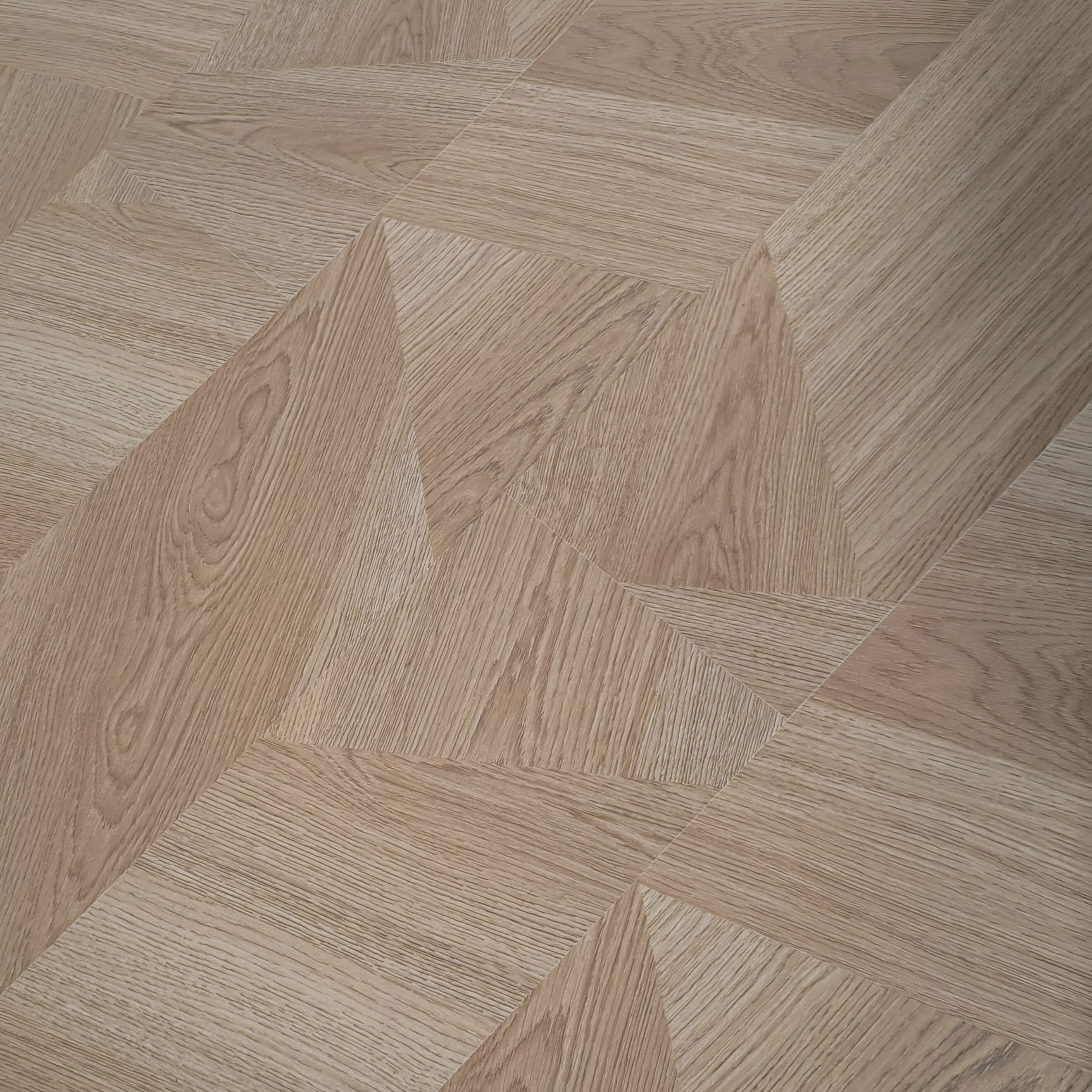
When selecting flooring for residential or commercial spaces, durability remains one of the most critical factors to consider. Among various flooring materials available in today's market, wooden floor options consistently demonstrate superior longevity and resilience compared to alternative materials. The inherent characteristics of wood, combined with modern manufacturing techniques and protective treatments, create flooring solutions that can withstand decades of heavy use while maintaining their aesthetic appeal and structural integrity.
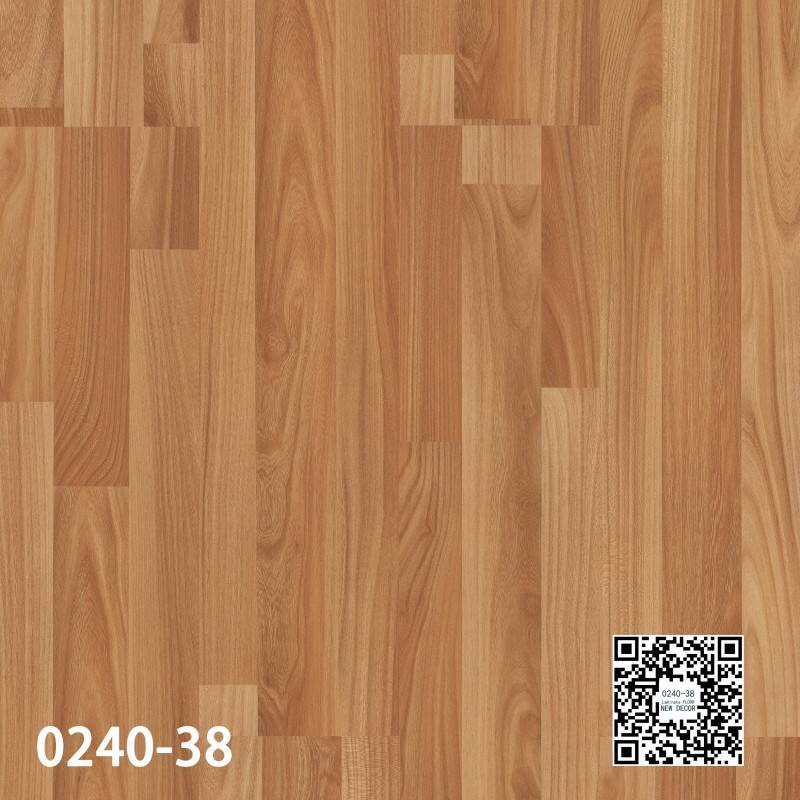
The durability advantage of wooden floor surfaces stems from multiple interconnected factors that work together to create a robust flooring system. Natural wood fibers possess exceptional tensile strength and flexibility, allowing them to absorb impact and distribute weight evenly across the surface. This natural resilience means that wooden floor installations can handle significant foot traffic, furniture movement, and environmental changes without compromising their structural foundation or surface appearance.
Natural Material Properties and Structural Advantages
Fiber Density and Grain Structure
The cellular structure of wood creates a unique combination of strength and flexibility that synthetic materials struggle to replicate. Each wooden floor plank contains thousands of microscopic fibers running in parallel directions, forming a natural composite material with remarkable durability characteristics. These fibers can bend and compress under pressure without breaking, allowing the wooden floor surface to return to its original shape once the load is removed.
Different wood species exhibit varying degrees of hardness and density, with hardwoods like oak, maple, and cherry providing superior durability for high-traffic applications. The Janka hardness scale measures wood density, and species commonly used for wooden floor applications typically score between 1,000 and 4,000 pounds-force, indicating their ability to resist denting and wear. This natural hardness translates directly to longer lifespan and reduced maintenance requirements compared to softer flooring alternatives.
Moisture Response and Dimensional Stability
One of the most significant durability advantages of wooden floor systems lies in their natural ability to respond to environmental moisture changes without suffering permanent damage. Wood is a hygroscopic material, meaning it naturally absorbs and releases moisture based on surrounding humidity levels. This characteristic allows wooden floor installations to expand and contract gradually, reducing internal stress that could lead to cracking or warping.
Modern wooden floor manufacturing incorporates kiln-drying processes that pre-condition lumber to specific moisture content levels, typically between six and twelve percent. This controlled moisture content ensures dimensional stability while maintaining the wood's natural ability to adapt to environmental changes. Additionally, engineered wooden floor products utilize cross-ply construction techniques that further enhance dimensional stability by counteracting natural wood movement patterns.
Manufacturing Processes That Enhance Durability
Advanced Finishing Systems
Contemporary wooden floor products benefit from sophisticated finishing systems that significantly extend their durability and lifespan. Multi-layer polyurethane finishes create protective barriers that shield the wood surface from scratches, stains, and moisture penetration. These finishes undergo ultraviolet curing processes that create cross-linked polymer networks with exceptional hardness and chemical resistance.
Aluminum oxide additives incorporated into wooden floor finishes provide additional wear resistance by creating microscopic hard particles throughout the protective coating. This technology, borrowed from industrial applications, allows residential and commercial wooden floor installations to maintain their appearance even under heavy traffic conditions. Some premium wooden floor products feature ceramic-enhanced finishes that offer scratch resistance comparable to stone surfaces while retaining the natural beauty and warmth of wood.
Engineered Construction Technologies
Engineered wooden floor products represent a significant advancement in durability technology, combining the aesthetic appeal of solid wood with enhanced structural stability. These products utilize multiple wood layers arranged in alternating grain directions, creating a balanced construction that resists warping, cupping, and gapping more effectively than traditional solid wood planks.
The manufacturing process for engineered wooden floor systems involves precision milling and adhesive bonding techniques that create stronger connections between layers than natural wood grain bonding. High-pressure lamination processes ensure consistent adhesive distribution and eliminate weak points that could compromise durability. This construction method allows wooden floor products to perform reliably in environments with significant temperature and humidity fluctuations.
Performance Comparison With Alternative Flooring Materials
Durability Metrics Against Synthetic Options
When comparing wooden floor durability against synthetic alternatives like luxury vinyl plank or laminate flooring, several key performance metrics demonstrate wood's superiority. Impact resistance testing shows that wooden floor surfaces can withstand significantly higher impact forces without permanent damage. While synthetic materials may dent or puncture under heavy impacts, wooden floor surfaces typically show only temporary impressions that can be removed through refinishing processes.
Long-term wear testing reveals that wooden floor installations maintain their structural integrity and appearance characteristics far longer than synthetic alternatives. After twenty years of normal residential use, quality wooden floor products retain approximately eighty percent of their original appearance, while synthetic materials often require complete replacement due to delamination, fading, or surface degradation. This longevity advantage makes wooden floor investments more cost-effective over extended time periods.
Maintenance and Restoration Capabilities
Perhaps the most significant durability advantage of wooden floor systems lies in their renewable surface characteristics. Unlike synthetic flooring materials that must be completely replaced when damaged or worn, wooden floor surfaces can be refinished multiple times throughout their lifespan. This restoration capability extends the useful life of wooden floor installations to fifty years or more with proper maintenance.
The refinishing process involves sanding away the worn surface layer and applying fresh protective finishes, essentially creating a new floor surface without replacing the underlying structure. This capability not only extends durability but also allows homeowners and building managers to update appearance characteristics by changing stain colors or finish types. Synthetic flooring materials lack this restoration potential, requiring complete replacement when surface damage occurs.
Environmental Factors and Long-Term Performance
Climate Adaptation and Seasonal Stability
Wooden floor installations demonstrate remarkable adaptability to various climate conditions, contributing significantly to their long-term durability. The natural hygroscopic properties of wood allow these flooring systems to equilibrate with local environmental conditions, reducing stress-related damage that affects rigid synthetic materials. This adaptation capability enables wooden floor products to perform reliably in diverse geographic regions with varying temperature and humidity patterns.
Seasonal expansion and contraction in wooden floor systems occur gradually and predictably, allowing building structures to accommodate these movements without damage. Professional installation techniques incorporate expansion gaps and transition strips that accommodate natural wood movement while maintaining structural integrity. These design considerations ensure that wooden floor installations remain stable and attractive throughout multiple seasonal cycles.
Indoor Air Quality and Health Benefits
The durability advantages of wooden floor systems extend beyond physical characteristics to include positive impacts on indoor environmental quality. Natural wood materials do not emit volatile organic compounds or other chemical pollutants that can degrade over time, maintaining consistent indoor air quality throughout their lifespan. This stability contrasts with synthetic flooring materials that may release chemicals as they age or deteriorate.
Additionally, wooden floor surfaces naturally resist bacterial growth and allergen accumulation when properly maintained. The smooth, sealed surface of finished wooden floor installations prevents dust mites, pet dander, and other allergens from embedding in the flooring material. This characteristic contributes to healthier indoor environments while reducing the cleaning and maintenance burden on building occupants.
Installation Methods and Structural Integration
Foundation Requirements and Subfloor Compatibility
Proper wooden floor installation techniques significantly impact long-term durability and performance characteristics. These flooring systems require stable, level subfloor surfaces that provide adequate support and moisture protection. Modern installation methods incorporate vapor barriers and moisture control systems that prevent subfloor moisture from affecting wooden floor materials, extending their lifespan and maintaining dimensional stability.
The structural integration between wooden floor systems and building foundations creates a durable flooring assembly that can withstand structural movement and settling. Floating installation methods allow wooden floor surfaces to move independently of subfloor structures, reducing stress concentrations that could lead to premature failure. These installation techniques enable wooden floor products to maintain their integrity even in newer buildings that may experience settling or minor structural adjustments.
Professional Installation Standards and Quality Control
The durability of wooden floor installations depends heavily on adherence to professional installation standards and quality control procedures. Certified installers understand the importance of proper acclimation periods, allowing wooden floor materials to equilibrate with installation site conditions before beginning work. This process ensures dimensional stability and prevents post-installation movement that could compromise durability.
Quality control measures during wooden floor installation include moisture content verification, subfloor preparation assessment, and environmental condition monitoring. These procedures identify potential problems before they can affect long-term performance, ensuring that wooden floor installations achieve their maximum durability potential. Professional installation also includes proper spacing, fastening, and finishing techniques that optimize structural integrity and appearance retention.
FAQ
How long can wooden floor installations typically last with proper maintenance
Quality wooden floor installations can last fifty to one hundred years or more with proper maintenance and periodic refinishing. The actual lifespan depends on wood species selection, finish quality, traffic levels, and maintenance practices. Hardwood species like oak and maple in residential applications commonly exceed seventy-five years of service life, while commercial installations may require more frequent refinishing but can still achieve multi-decade lifespans.
What maintenance practices are essential for maximizing wooden floor durability
Essential maintenance for wooden floor durability includes regular cleaning with appropriate products, prompt cleanup of spills, humidity control between thirty and fifty percent, and periodic professional refinishing every ten to fifteen years. Additionally, using protective pads under furniture, avoiding excessive moisture exposure, and maintaining consistent indoor temperatures help preserve wooden floor integrity and appearance throughout their extended lifespan.
Are engineered wooden floor products as durable as solid wood options
Engineered wooden floor products offer comparable or superior durability to solid wood in many applications, particularly regarding dimensional stability and moisture resistance. While the top wear layer may be thinner than solid wood planks, quality engineered products can be refinished multiple times and often perform better in challenging environmental conditions. The cross-ply construction provides enhanced structural stability that reduces common durability issues like warping and gapping.
How does wooden floor durability compare to ceramic tile or natural stone flooring
Wooden floor systems offer different durability characteristics compared to ceramic or stone materials, with advantages in impact resistance, comfort, and repairability. While ceramic and stone may resist scratching better, they are prone to cracking under impact and cannot be easily repaired when damaged. Wooden floor surfaces provide better shock absorption, warmth retention, and the ability to refinish damaged areas without complete replacement, making them more practical for many residential and commercial applications.
Table of Contents
- Natural Material Properties and Structural Advantages
- Manufacturing Processes That Enhance Durability
- Performance Comparison With Alternative Flooring Materials
- Environmental Factors and Long-Term Performance
- Installation Methods and Structural Integration
-
FAQ
- How long can wooden floor installations typically last with proper maintenance
- What maintenance practices are essential for maximizing wooden floor durability
- Are engineered wooden floor products as durable as solid wood options
- How does wooden floor durability compare to ceramic tile or natural stone flooring