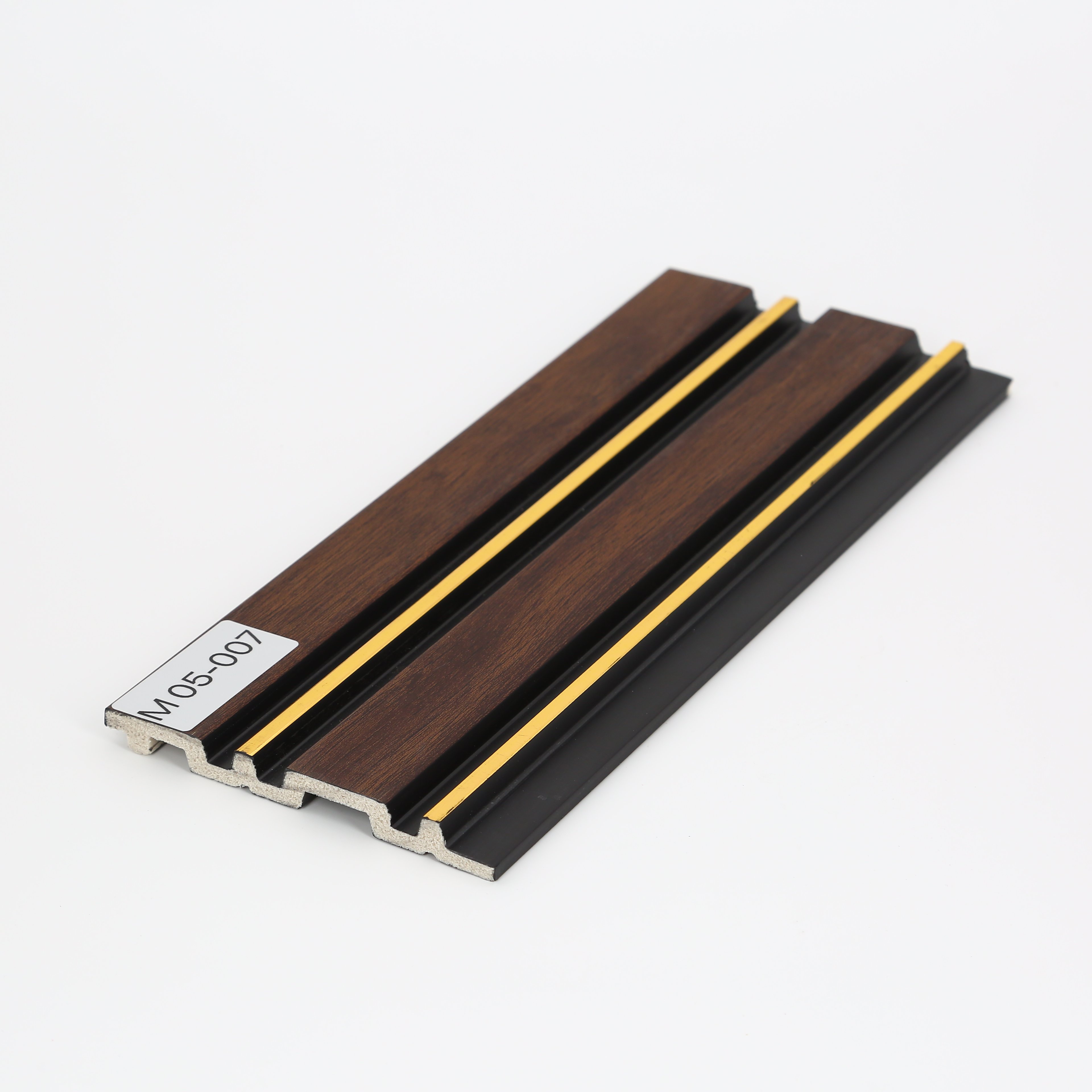
WPC Panels for Interior Walls | Durable Design

Get a Free Quote

Our representative will contact you soon.
Email
Name
Company Name
Message
0/1000

wpc panels for interior walls

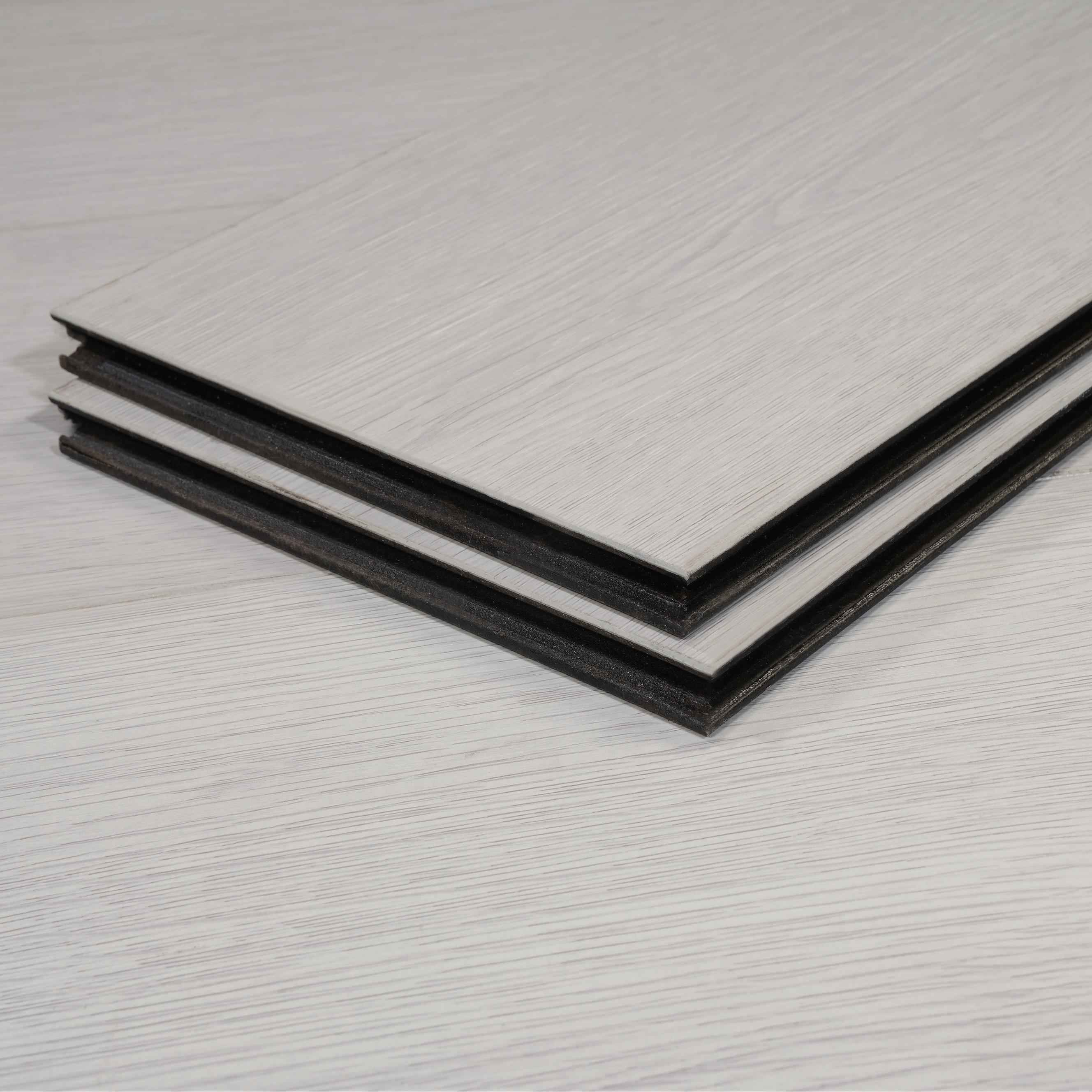
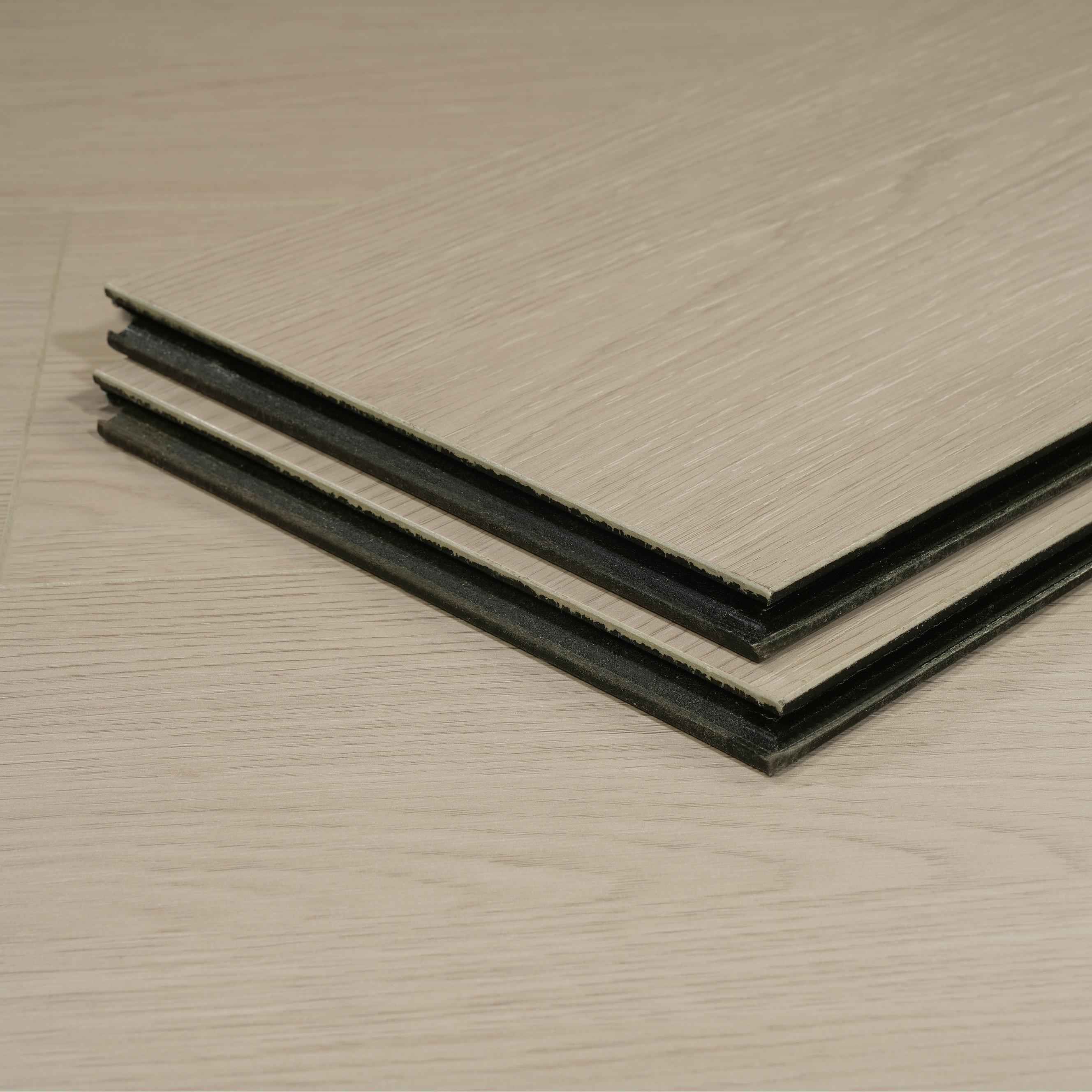
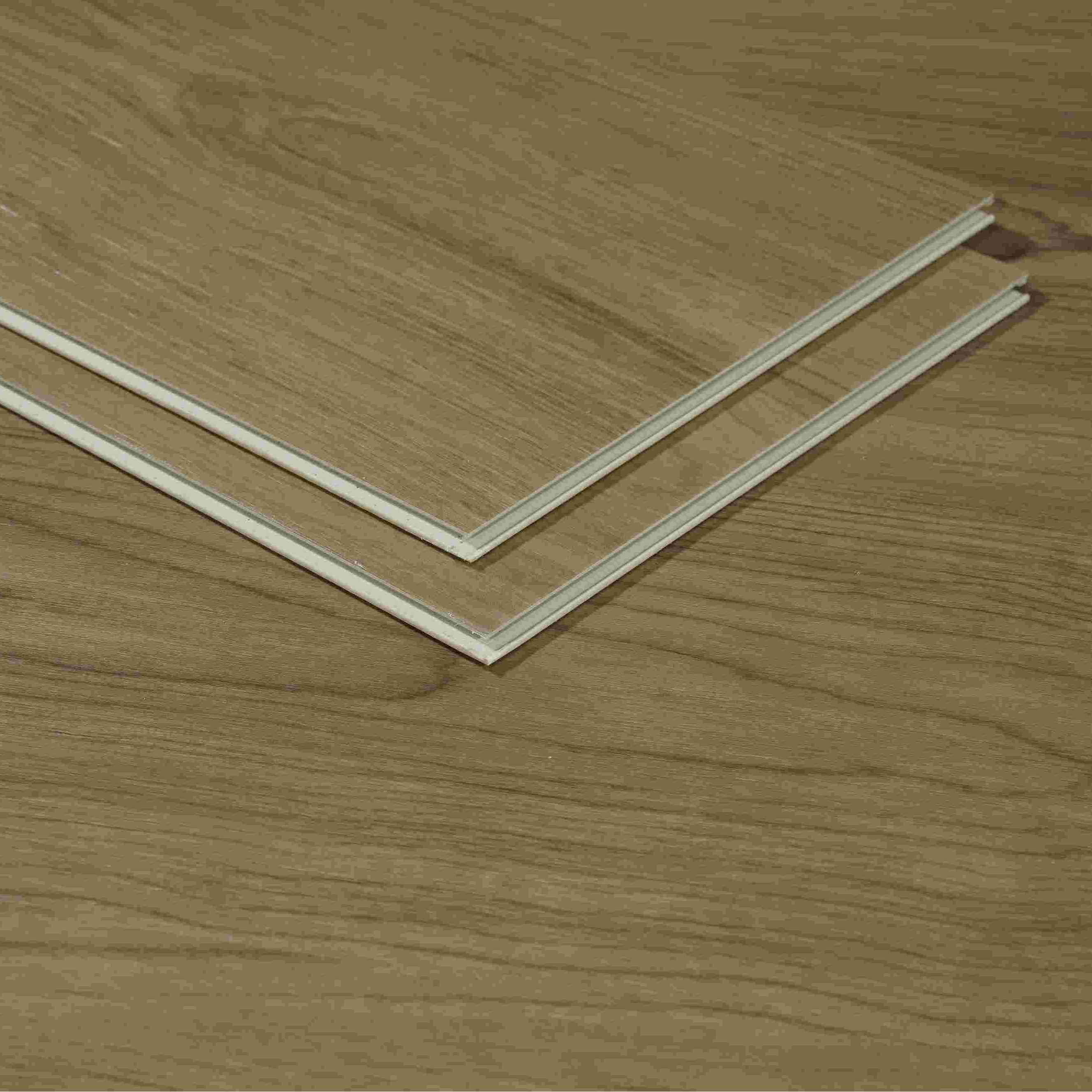
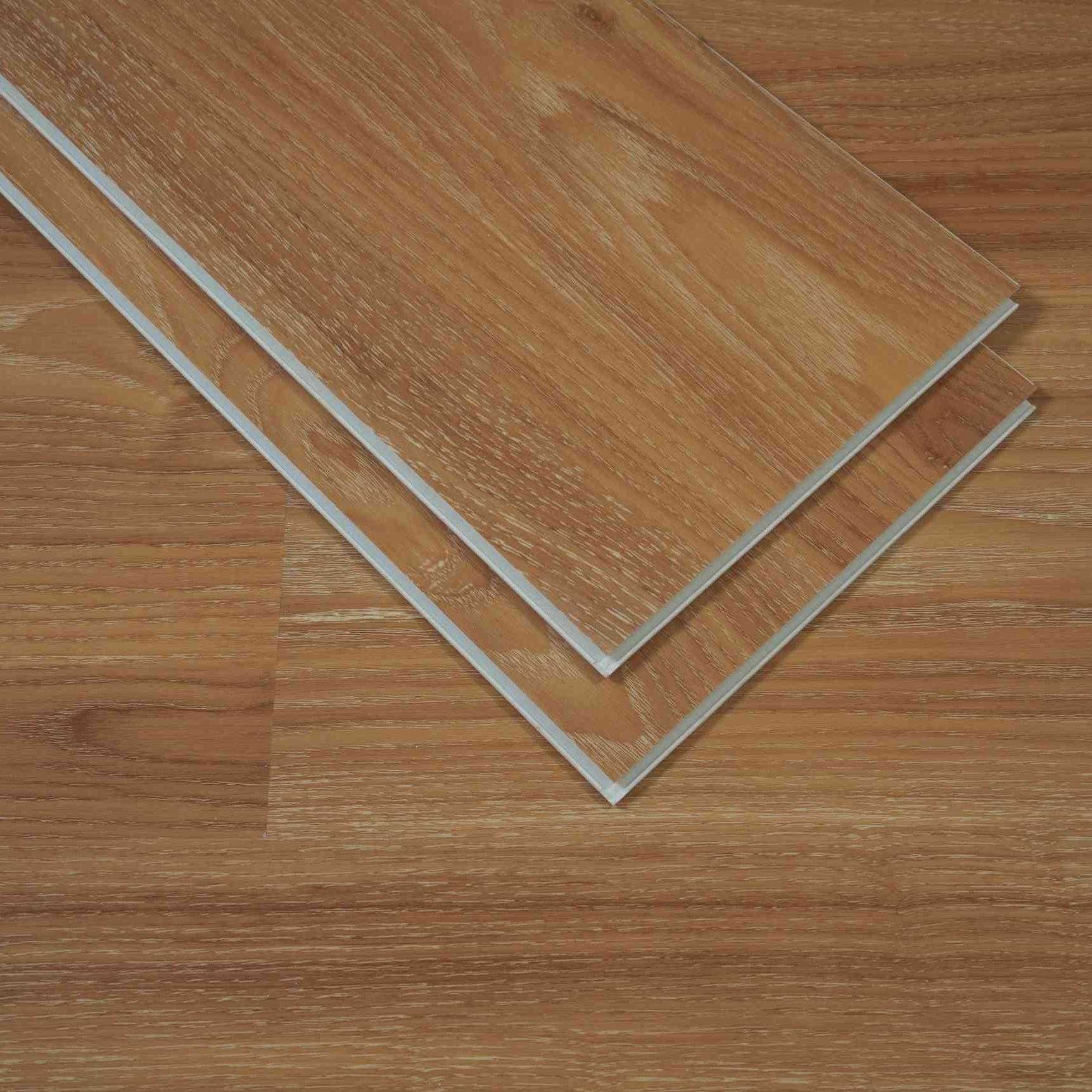
WPC panels for interior walls represent an innovative wall cladding solution that combines wood fibers and plastic polymers through advanced manufacturing processes. These composite panels deliver exceptional durability while maintaining the natural aesthetic appeal of traditional wood finishes. The main functions include providing moisture-resistant wall protection, offering thermal insulation properties, and creating visually appealing interior surfaces that require minimal maintenance. Technologically, wpc panels for interior walls feature a dense composite core structure that resists warping, cracking, and fading over time. The manufacturing process involves high-temperature extrusion that bonds wood particles with polymer resins, creating panels with consistent quality and dimensional stability. These panels typically come with interlocking installation systems or mounting channels that simplify the application process. Applications span residential, commercial, and hospitality environments where durability meets design requirements. Homeowners install wpc panels for interior walls in living rooms, bedrooms, bathrooms, and kitchens to achieve modern or rustic aesthetics without worrying about water damage or deterioration. Commercial spaces utilize these panels in offices, retail stores, restaurants, and hotels where high-traffic areas demand resilient materials. The panels accommodate various design preferences through diverse color options, texture patterns, and finish styles that replicate natural wood grains or contemporary smooth surfaces. Installation flexibility allows both horizontal and vertical orientations, enabling creative design implementations that transform ordinary walls into architectural focal points.

New Product Recommendations

Choosing wpc panels for interior walls delivers multiple practical benefits that directly impact your investment value and daily living experience. The moisture resistance stands as a primary advantage, allowing installation in bathrooms, kitchens, and basements where traditional materials would deteriorate rapidly. This water-resistant quality means you avoid costly replacements and repairs associated with mold growth, rot, or structural damage. The low maintenance requirements save you significant time and money over the product lifespan. Unlike painted walls requiring regular repainting or wood panels needing refinishing, these composite panels simply need occasional wiping with a damp cloth to maintain their appearance. The installation process proves remarkably straightforward, reducing labor costs whether you hire professionals or undertake the project yourself. The lightweight nature of wpc panels for interior walls makes handling easier while the interlocking systems ensure secure attachment without specialized tools or extensive carpentry skills. Energy efficiency represents another valuable benefit as the panels provide additional insulation that helps regulate indoor temperatures, potentially lowering heating and cooling expenses. The environmental consideration appeals to eco-conscious buyers since these panels often incorporate recycled materials while offering long service life that reduces waste. The aesthetic versatility ensures compatibility with virtually any interior design scheme, from modern minimalist to traditional rustic styles. The dimensional stability prevents the warping and expansion issues common with solid wood, maintaining clean lines and tight joints throughout seasonal temperature and humidity changes. Fire resistance properties in quality wpc panels for interior walls add safety value, particularly important in commercial applications. The sound dampening characteristics create quieter interior environments by reducing noise transmission through walls, enhancing comfort in residential and office settings.

Tips And Tricks

How Does SPC Flooring Combine Style and Long Term Performance?

18

May

How Does SPC Flooring Combine Style and Long Term Performance?

When property owners, designers, and facility managers search for a flooring solution that refuses to compromise between visual appeal and structural durability, spc flooring consistently rises to the top of the conversation. The category has matured...
View More
Laminate vs Hardwood: Which Offers Better Value for Money?

16

Mar

Laminate vs Hardwood: Which Offers Better Value for Money?

When homeowners and contractors face flooring decisions, the debate between laminate flooring and hardwood remains one of the most significant choices affecting both budget and long-term satisfaction. Understanding the financial implications, durabil...
View More
Where to find OEM herringbone flooring with consistent quality?

07

Apr

Where to find OEM herringbone flooring with consistent quality?

Finding reliable OEM herringbone flooring with consistent quality requires understanding the manufacturing landscape and identifying suppliers who maintain rigorous quality control standards. The search for quality herringbone flooring manufacturers ...
View More
How to maintain fishbone flooring in high-traffic commercial areas

07

Apr

How to maintain fishbone flooring in high-traffic commercial areas

Maintaining fishbone flooring in high-traffic commercial environments requires a strategic approach that balances aesthetic preservation with functional durability. This distinctive herringbone pattern creates stunning visual appeal in commercial spa...
View More

Get a Free Quote

Our representative will contact you soon.
Email
Name
Company Name
Message
0/1000

wpc panels for interior walls

Superior Moisture and Water Resistance

Superior Moisture and Water Resistance

The exceptional moisture resistance of wpc panels for interior walls addresses one of the most critical challenges in interior design and construction. Traditional materials like drywall, wood, and certain laminates suffer significant damage when exposed to humidity or water splashes, leading to swelling, mold growth, and structural compromise. The polymer component in these composite panels creates a protective barrier that prevents water absorption while the manufacturing process ensures consistent density throughout the panel thickness. This resistance proves invaluable in bathrooms where shower steam and splashing occur daily, in kitchens near sinks and cooking areas, and in basement spaces prone to dampness. Property owners benefit from extended material lifespan without the expense and inconvenience of premature replacement. The moisture resistance also eliminates the need for additional waterproofing treatments or sealants that require periodic reapplication. This characteristic makes wpc panels for interior walls particularly suitable for coastal properties or humid climates where conventional materials struggle. The prevention of mold and mildew growth contributes to healthier indoor air quality, especially important for individuals with respiratory sensitivities or allergies.
Effortless Installation and Maintenance

Effortless Installation and Maintenance

The installation advantages of wpc panels for interior walls significantly reduce both initial setup costs and long-term maintenance expenses. Modern panel designs incorporate click-lock systems or tongue-and-groove mechanisms that eliminate the need for professional installation in many applications. Homeowners with basic DIY skills can complete wall transformations over weekends, avoiding expensive contractor fees. The lightweight construction allows single-person handling in most cases, unlike heavy stone or tile alternatives requiring multiple workers. Panels cut cleanly with standard woodworking tools, enabling precise fitting around windows, doors, and architectural features without specialized equipment. The maintenance simplicity proves equally compelling as routine cleaning requires nothing more than a soft cloth and mild soap solution. The non-porous surface resists staining from common household substances, and the color runs throughout the panel material rather than being surface-applied, meaning minor scratches remain inconspicuous. This durability eliminates the cyclical repainting or refinishing schedules that consume time and money with traditional wall treatments. For commercial applications, the reduced maintenance downtime translates to lower operational costs and fewer business interruptions. The panels retain their appearance and structural integrity for decades, providing excellent return on investment through extended service life without deterioration.
Versatile Design and Environmental Benefits

Versatile Design and Environmental Benefits

The design flexibility of wpc panels for interior walls empowers creative interior transformations while supporting environmental responsibility. Manufacturers offer extensive selections of colors, textures, and finishes that authentically replicate exotic hardwoods, reclaimed barn wood, contemporary smooth finishes, and decorative patterns impossible with natural materials. This variety enables precise matching to existing decor or creation of dramatic accent walls that serve as room focal points. The panels accommodate both residential and commercial design requirements, scaling from cozy home environments to expansive corporate lobbies. Beyond aesthetics, the dimensional stability ensures installations maintain their visual appeal without the warping, cupping, or gap formation that plagues solid wood products during seasonal changes. The environmental advantages appeal to sustainability-focused consumers as production often incorporates recycled wood fibers and plastic materials that would otherwise occupy landfills. The long lifespan reduces replacement frequency, minimizing construction waste over time. The manufacturing process typically consumes less energy compared to traditional material production while the finished panels require no toxic sealants or chemical treatments. The thermal insulation properties contribute to building energy efficiency by reducing heat transfer through walls, supporting lower carbon footprints through decreased heating and cooling demands. These combined environmental benefits allow conscientious consumers to achieve their design visions without compromising ecological values.
WPC Panels for Interior Walls | Durable Design

Get a Free Quote

Our representative will contact you soon.
Email
Name
Company Name
Message
0/1000